

Cambodia’s Mekong river dolphins face threat of extinction


BY ALEX McCART
The Mekong River’s Irrawaddy dolphin may not be the most beautiful or sociable of its species, but its declining numbers are leaving many Cambodians worried.
According to the World Wide Fund for Nature (WWF), there are only about 80 dolphins left in the Mekong. The animal has been dying at a rate of 16 per cent per year over the past three years.
57-year-old villager Khiev Iaen lives on an island on the Mekong River, near Kratie in Cambodia’s east.
He remembers seeing the dolphins as a child, but now worries that the animal’s dwindling numbers may never recover.
“It is one of those sad thing for the next generation that cannot see the [dolphin] in the world,” Mr Iaen said.
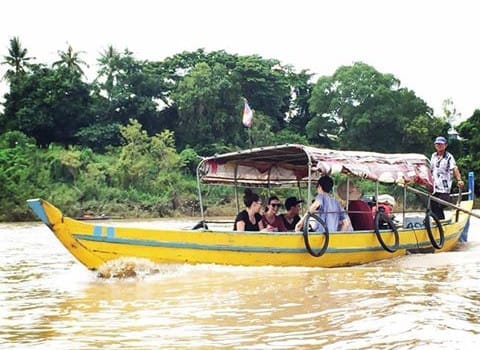
Tour guide Sou Sokchea has similar fears. He organises boat tours for tourists to see the dolphins, and said illegal fishing had reduced the dolphin’s numbers.
The Cambodian government is also struggling to deter the use of hazardous nets during the rainy season.
“The villager along this area use the net to catch the fish. The dolphins see the fish and they want to eat and the dolphin is killed by the net,” Mr Sokchea said.
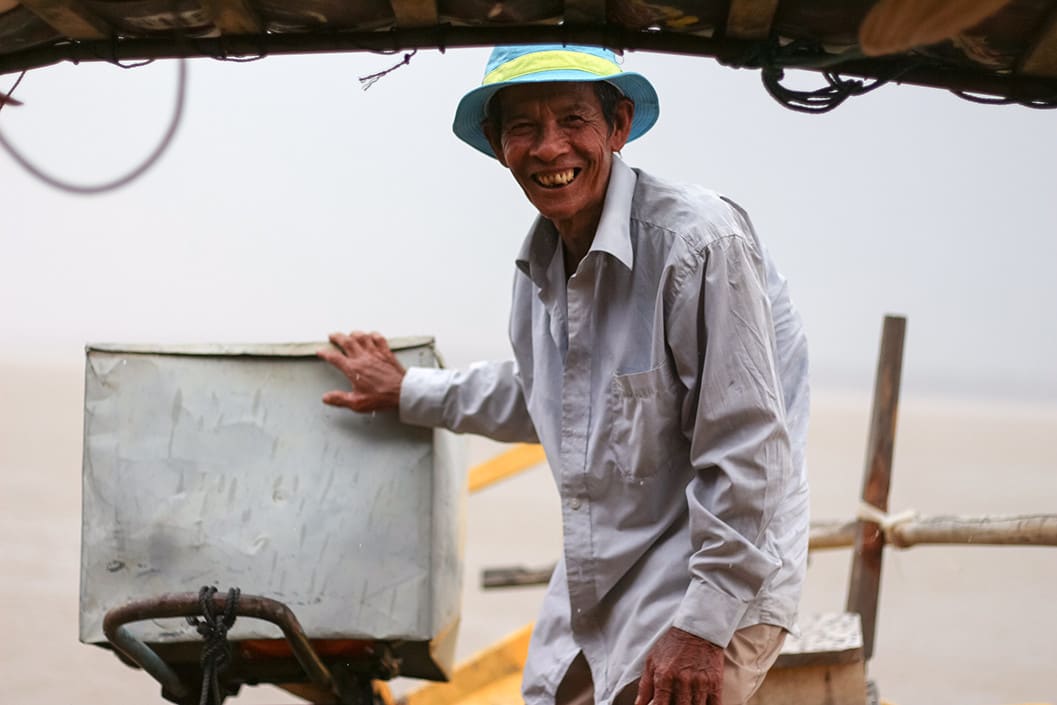
Cambodian Rural Development Team (CRDT) project manager Dim Bin said overfishing has been harmful to the Mekong’s unique inhabitants.
“The dolphin come there to catch the fish. When the number of fish decrease, so do the dolphin try to move to another place to find the fish,” he said.
However, Wat Village Chief En Simsun, who lives on the same island as Mr Iaen, maintains fishing does not affect the dolphins. He said river levels and the Vietnam War had forced the dolphins to migrate away from his village.
“There are a lot of American bomb who drop here. That is why it may affect the number or the flow of dolphin in the river,” he said.
“Also some water pollution because of the explosion of the bomb.”
The current construction of the Don Sahong dam in nearby Laos may also bring further damage to the dolphin population. Explosions from the construction divert migration and kill the dolphin’s food supply.
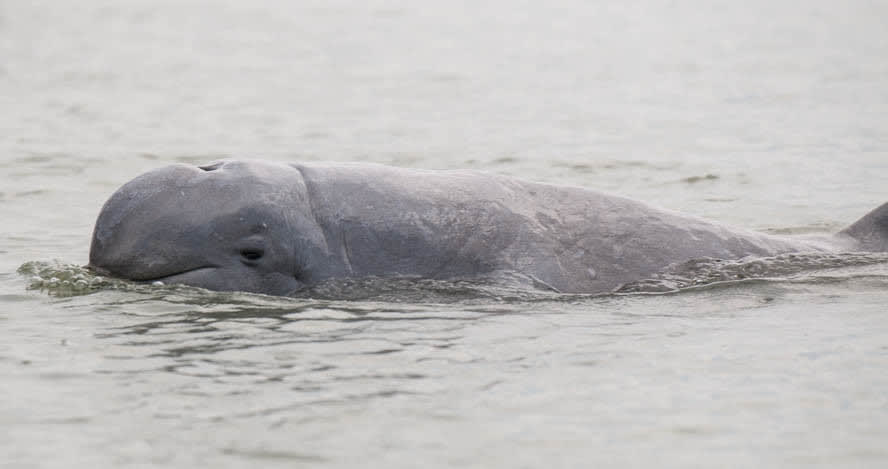
The rapid extinction of the Irrawaddy dolphin also affects tourism, according to the CRDT.
“We are concerned about the population of the dolphin because in Kratie the most attractive [attraction] to the tourists is the dolphin. So when the dolphin dies the number decrease so it means it affect to the local [economy],” Mr Bin said.
Mr Sokchea agrees. He is fearful that the low dolphin numbers may see less tourists coming to Kampi, placing his job as a tour operator at risk.
“When the dolphins is less in here it is difficult for me to take the tourist to see the dolphin because it is less. And maybe the tourist don’t want to come,” he said.
The WWF and CRDT are developing and implementing programs to limit the threats to dolphins and educate the community to protect the endangered species.
—–
[Khiev Iaen, En Simsun & Sou Sokchea interviews conducted via a Khmer/English translator.]


