

Khmer Rouge nightmares continue for survivors


BY MIKAELA DAY
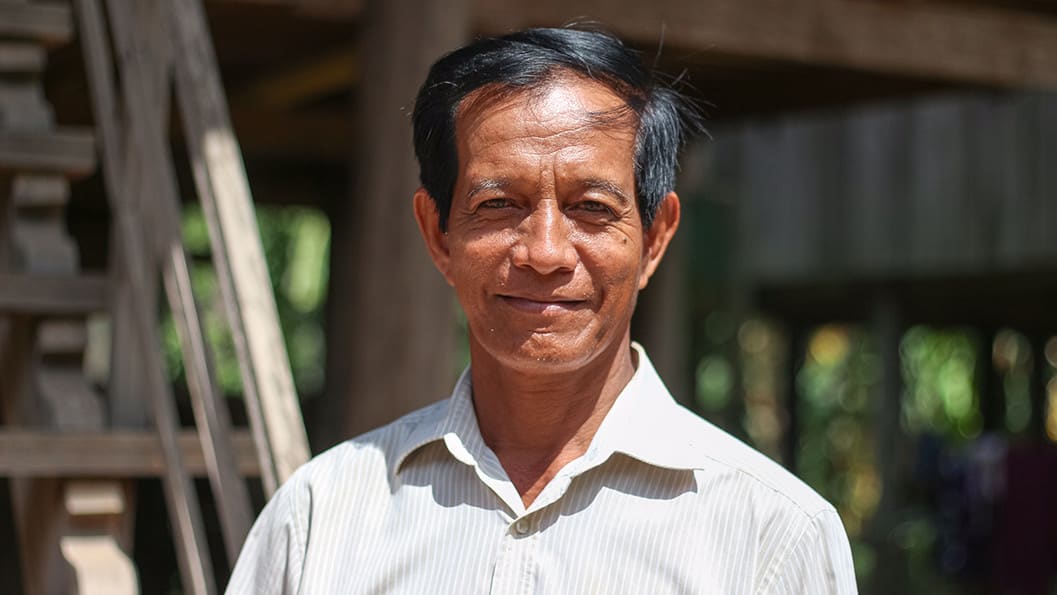
Cambodian villager Choun Yeth was 21-years-old when he witnessed people being executed with a shovel and was sent to prison on false accusations under the Khmer Rouge.
Thirty-seven years on the images still torment his mind.
An estimated three million people died under the strict regime of Pol Pot’s communist dictatorship between 1975 to 1979. Those that survived the ordeal still suffer from severe trauma and mental scars.
In 2008, Phnom Penh Post figures showed that an estimated 60 per cent of Cambodia’s survivors live with a mental illness.
Executive director of Transcultural Psychosocial Organization (TPO) and psychiatrist Dr Sotheara Chhim runs programs specifically to help Khmer Rouge victims and perpetrators with their mental health, reconciliation and healing.
He is one of only 35 psychiatrists in Cambodia.
“A lot of trauma victim they still have pain. It is not physical, it’s psychological pain,” Dr Chhim said.
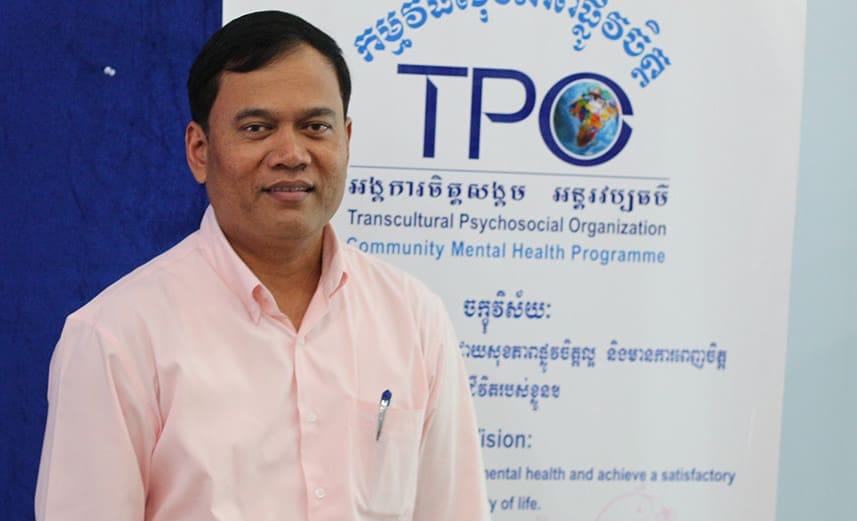
Dr Chhim was nine-years-old when Pol Pot gained power and said at the time Cambodia’s two psychiatrists were killed and the one mental health hospital was used as a prison.
“After the Khmer Rouge everyone was depressed – confused,” he said.
As a child, Dr Chhim had dreamed of pursuing a career in architecture. However, after experiencing the Khmer Rouge he saw the need for medical professionals.
“I never wanted to be a doctor… but after the Khmer Rouge there was about 10 doctors in the whole country who survived.”
The Khmer Rouge aimed to create a classless society with no economic diversity. People had no rights and soldiers, minorities and educated Cambodians were executed.
Many more people died of starvation, exhaustion and lack of medical supplies.
Pol Pot’s regime ruled until 1979, and continued to exist until Pol Pot’s death in the late 1990s.
Mr Yeth now 62, has lived on Koh Chraeng Island since 1970. When the Khmer Rouge took over he knew he could not escape his village.
“You can’t escape from this island because Pol Pot is everywhere,” he said.
“If you try to escape… they will try to kill you.”
Mr Yeth recalled fearing the soldiers who were boys often much younger than himself, and people who were once his peers.
He said he was surprised to see that the guards had full control over the village despite many being teenagers.
“I was so scared of the guard… if I made a little mistake, he kill because he had a gun,” Mr Yeth said.
Almost four decades on Mr Yeth’s experiences still gives him nightmares.
“I am scared from the Pol Pot and I go into a small place to hide myself,” he said.
One of TPO’s programs uses film based truth telling to connect Khmer Rouge perpetrators and victims.
“[In] many communities in Cambodia, victim and perpetrator live in the same community or neighbouring community but they never talk,” Dr Chhim said.
“They still hold a grudge, they still have hatred toward each other and they have fear.”
TPO’s program films the victim speaking about their feelings towards the perpetrator, who then watches the film and responds. This process is continued until both parties agree to meet each other with a facilitator.
“In the end they ask for forgiveness, they understand better,” Dr Chhim said.
On Mr Yeth’s island of Koh Chraeng, all Khmer Rouge supporters fled after the regime’s downfall.
Today, only victims remain.
“Only the victims live [here] because [the perpetrators] are afraid people kill them,” Mr Yeth said.
——
[Choun Yeth interview conducted via a Khmer/English translator]


