

Natural remedies take a sting as Cambodians look west


BY SALLY HAYLES
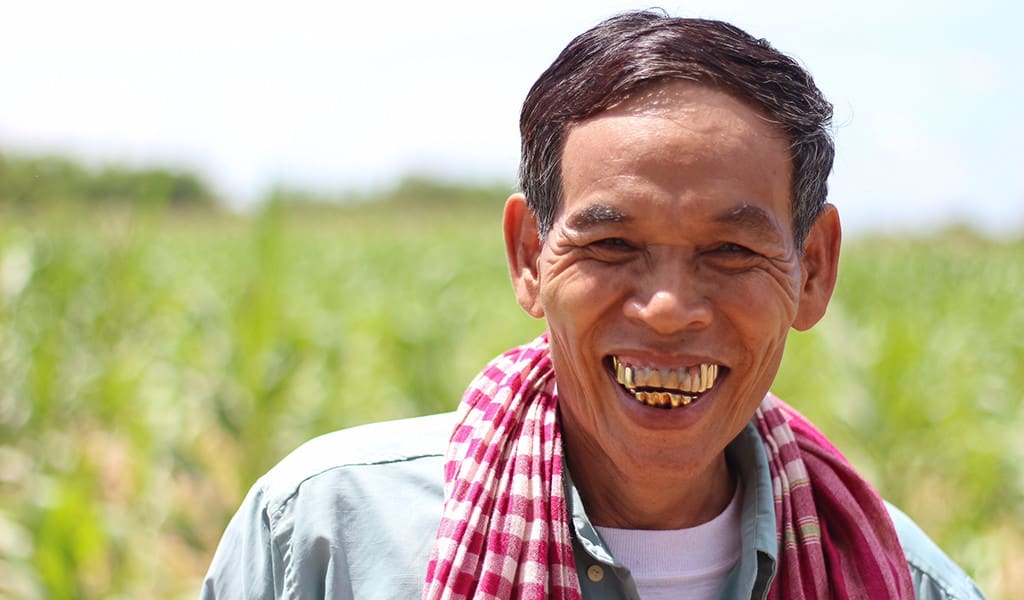
In the Cambodian village of Kbal Koh, located on the Mekong river island of Koh Chraeng, 57-year-old villager Khiev Iaen is animated as he shares how a local traditional healer treated him of a scorpion bite.
Mr Iaen says he approached the traditional doctor who applied the medicine, leading to a speedy recovery.
In rural Cambodia, traditional medicine continues to be used alongside Western medicine, with the Cambodian Ministry of Health having estimated in 2012 that up to 50 per cent of Cambodians use traditional medicine.
However, younger Cambodians appear to prefer Western medicine rather than learning the traditional Khmer methods.
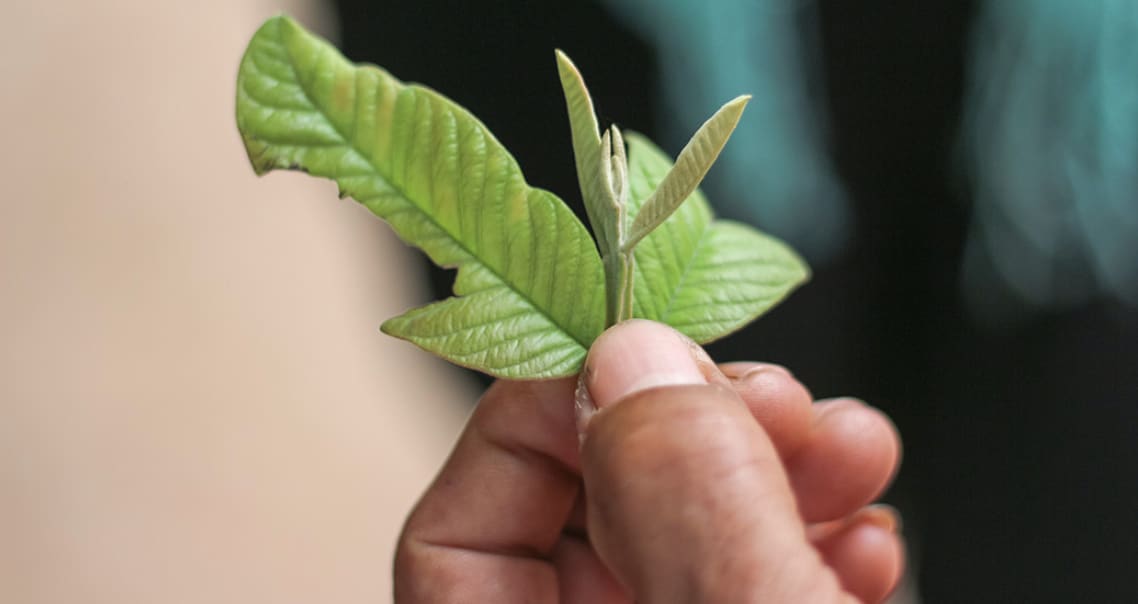
Deputy chief of Kbal Koh, Hor Bun Heang, is the local traditional healer. His methods include using herbs and plants. Mr Heang points out a local guava tree whose leaves he says can be used to treat diarrhoea by chewing them and a white flowering plant, beneficial for stomach pain.
He is known by other villagers, including Mr Iaen, to have a special ability to cure cobra bites.
He learnt how to treat sicknesses from his grandfather when he was seven years old.
“[My grandfather] was working at the Royal Palace and he was a Royal doctor, like a Royal doctor for the king, so he knew a lot of traditional recipes,” Mr Heang said.
After the Khmer Rouge came to the village he also helped pregnant women with delivering babies.
There was no doctor in the village at the time, as the Khmer Rouge had banned Western medicine.
Villagers in Kbal Koh now have access to a professional doctor on their island, and some villagers shun traditional healing techniques.
Locals can also go to a hospital in Kratie, around 14 kilometres away by a motorbike and ferry ride. Many of the villagers go there to deliver babies and for serious illnesses, including malaria, cancer and STDs, which the local traditional methods cannot treat.
23-year-old mother Hor Kim Heach is one of the younger villagers who uses the medical services in Kratie.
Her young children have been vaccinated and she uses medicine from the hospital if they are sick.
Ms Heach said it is hard to go to Kratie and the hospital is expensive, but the quality is better than traditional methods.
According to the World Health Organization, there is limited regulation of traditional health practitioners in Cambodia.
However, in areas such as Koh Chraeng, the traditional treatments can be vastly cheaper than alternatives.
“When you have broke the leg, the doctor will charge you around $100 to $200 [USD], but for me, only 5000 riel (around $1.25 USD),” Mr Heang said.
For this treatment, he ties bamboo to straighten the limb and uses medicine and speech, which some villagers refer to as magic.
Mr Heang said he would like to pass on his knowledge on to the younger generations of his family, but they are not interested.
“I really want to teach my children and grandchildren, but they not pay attention, they don’t want to learn,” Mr Heang said.
—
[Khiev Iaen, Hor Bun Heang & Hor Kim Heach interviews conducted via a Khmer/English translator]


