


A farmer returns to ashes and charred landscapes
A central Victorian farmer returns to his family's land to find ashes and charred landscapes. Sienna Piestrosante reports.

By Sienna Pietrosante
The first thing Alister Adlam did when he returned to his property is unlock a gate that no longer led anywhere.
The paddock is silent. There are no sheep calling or wind blowing through the trees.
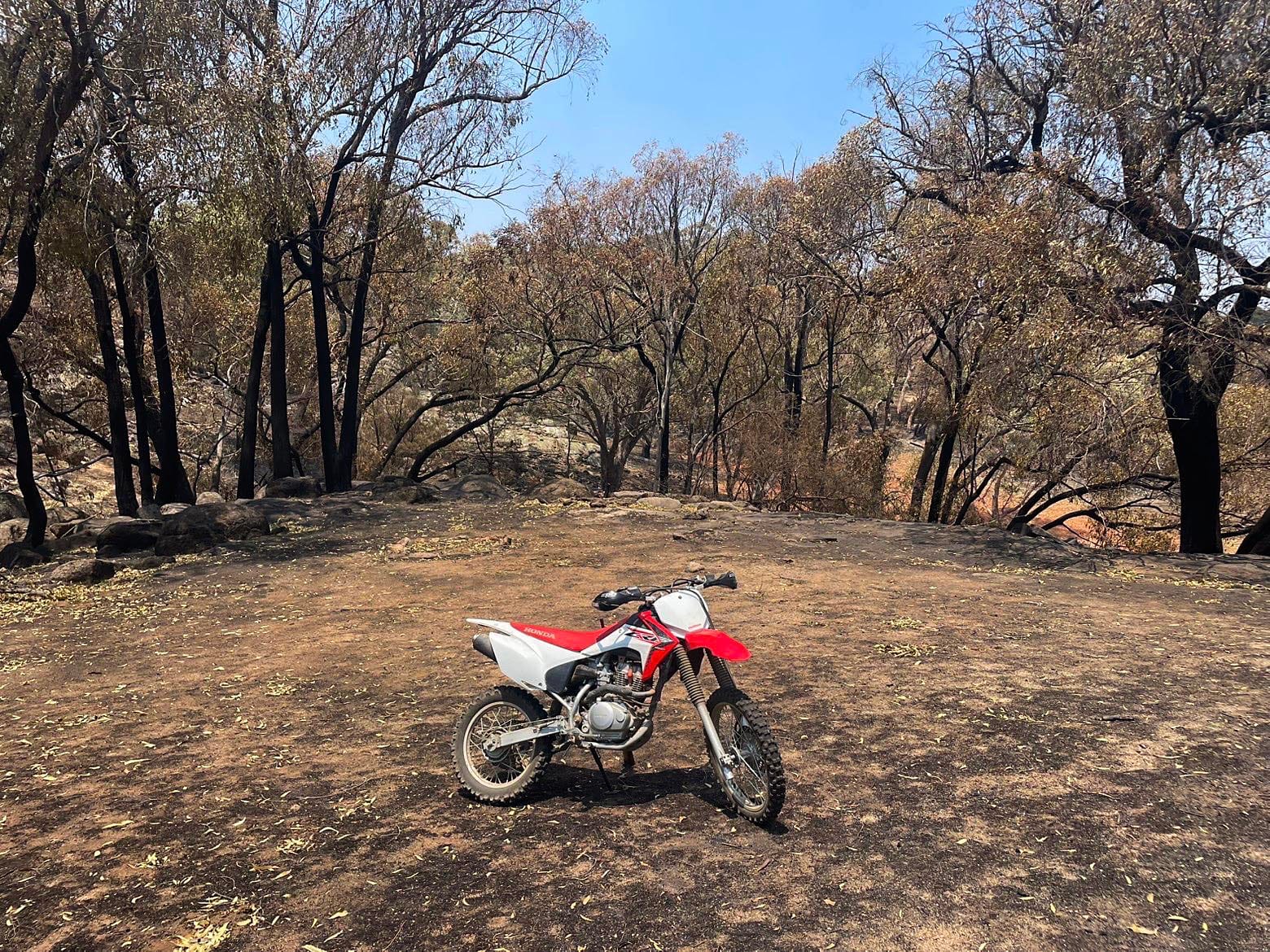
There is only blackened ground and scattered ash. It reeks of smoke – and it clings to everything.
Alister takes a stroll around the property near Ruffy in central Victoria.
The burnt grass crunches beneath his boots as he searches for animals that may have survived.
Patches of grass are sizzling from the heat, days after roaring flames had passed.
“You expect noise when you’re back on a farm,” Alister says. “But it was just quiet.”
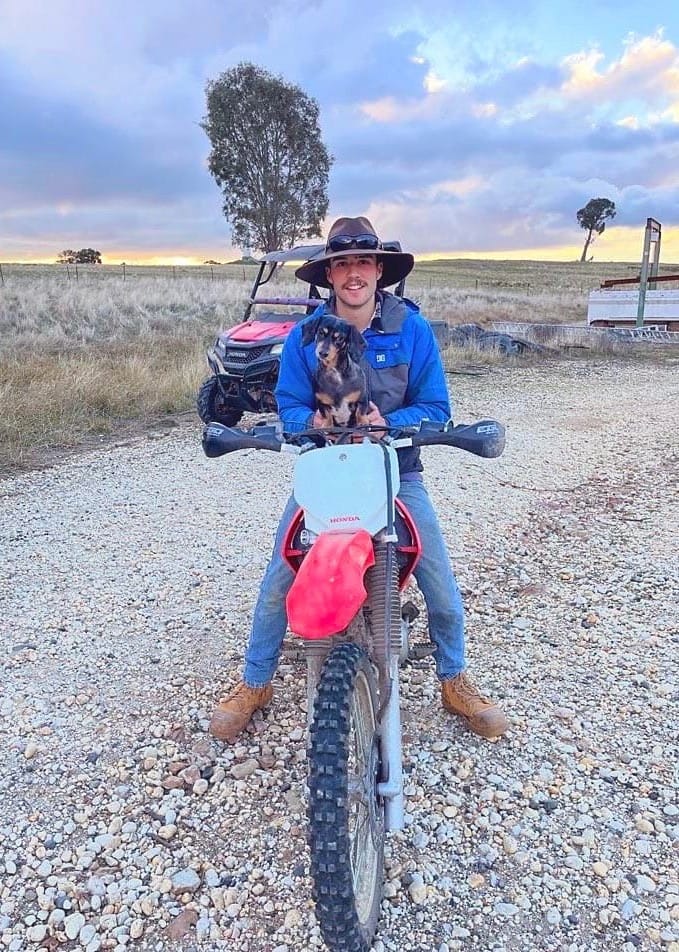
This is Alister’s first day back after bushfires tore through his family’s property. The deadly fires have destroyed almost everything in their path.
Bushfires are becoming increasingly devastating for Australian farmers, wiping out years, sometimes generations, of work in a matter of hours.
While farmers often speak about financial losses and rebuilding costs, Alister says workers who restore fire‑damaged land receive far less attention.
Government leaders have inspected Victoria’s charred landscapes to observe and assess the scale of recovery work facing rural communities.
The devastating fires claimed the life of Terip Terip farmer Max Hobson.
Prime Minister Anthony Albanese thanked volunteers and emergency responders who worked long hours in the aftermath of the lethal bushfires.
“We will continue working closely with states and territories to respond, recover, and help communities through what comes next,” Albanese says.
“To the many emergency responders and volunteers already on the ground working around the clock, thank you.”
Alister grew up on farms. He says the land always felt like home.
Map of Ruffy in central Victoria
Alister is a family member of the farm’s owner. He has worked as an agricultural worker on the property for many years.
Alister spent his days tending to the cattle, inspecting fences and transporting sheep between paddocks before the fires.
He says the work is repetitive but grounding. “You knew what needed to be done,” he says.
After disaster struck, these same tasks have become painful reminders of what had been lost.
It’s physical work, but it’s something I really enjoy,” he says.
However, what the job looks like now is unrecognisable.
When we came back, the first job was riding around trying to find sheep,” Alister says. “What was left of them.”
Many sheep had been badly burned while trying to escape through fences. Most had to be euthanised.
“That was the most confronting part,” Alister says.
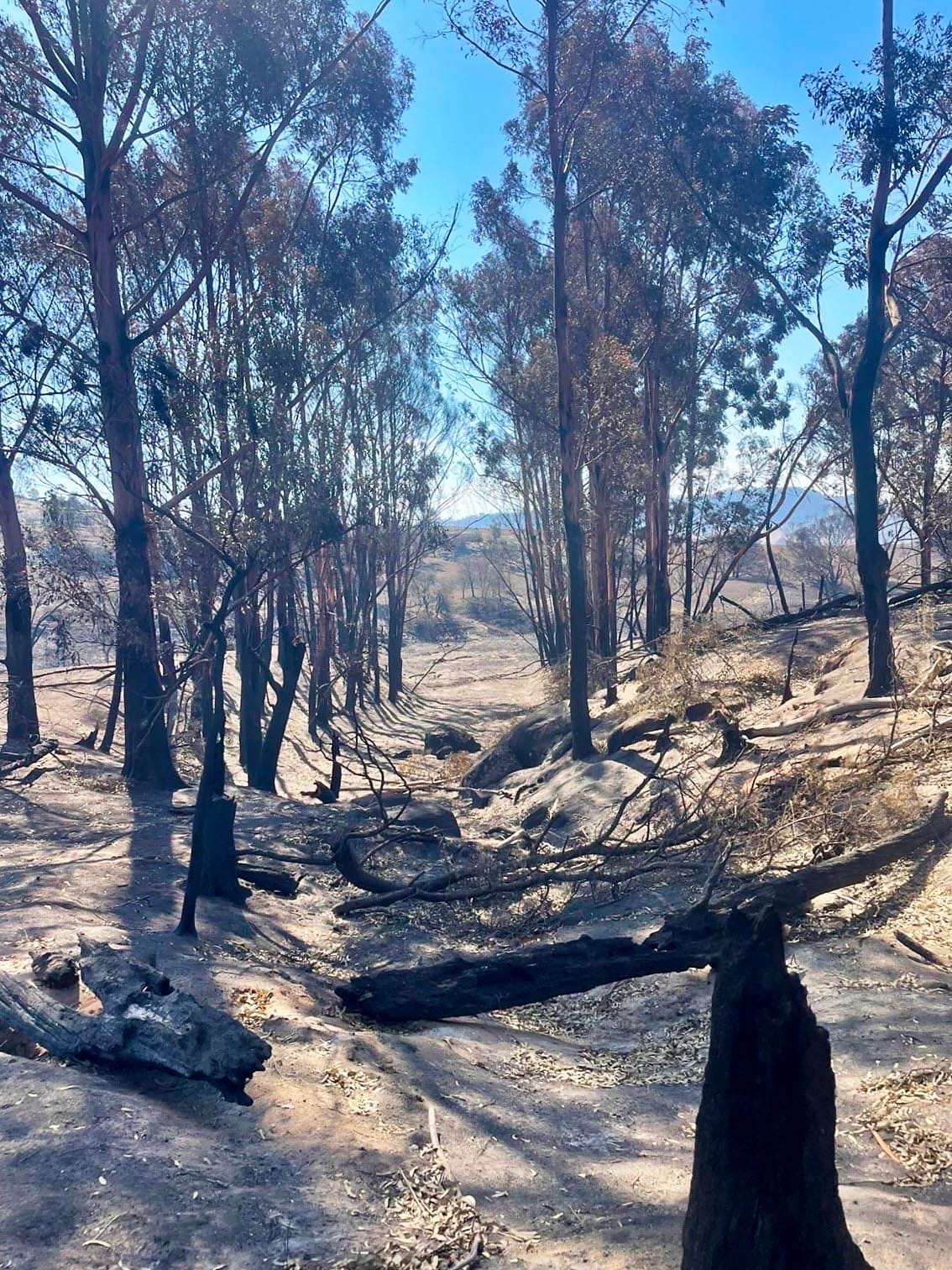
“Other workers cleared rubble, cut down burnt trees and monitored lingering spot fires.”
The smell of burnt flesh is overwhelming, Alister says.
“It smelled really bad,” Alister says. “Big pile‑ups of sheep that tried to escape the fences reeked. You need nose plugs.”
Tasks that once felt routine now carried emotional weight.
“Walking a paddock you’ve walked a hundred times,” he says. “It didn’t feel like the same place.”
For workers like Alister, the bushfires have created a sense of powerlessness that was tough to escape.
The land wasn’t his to make decisions about. Yet he was the one standing in the wreckage every day.
“You’re watching all that you work for disappear in the smoke,” he says.
“You don’t get to decide what happens next, but you still have to show up and do the work.”
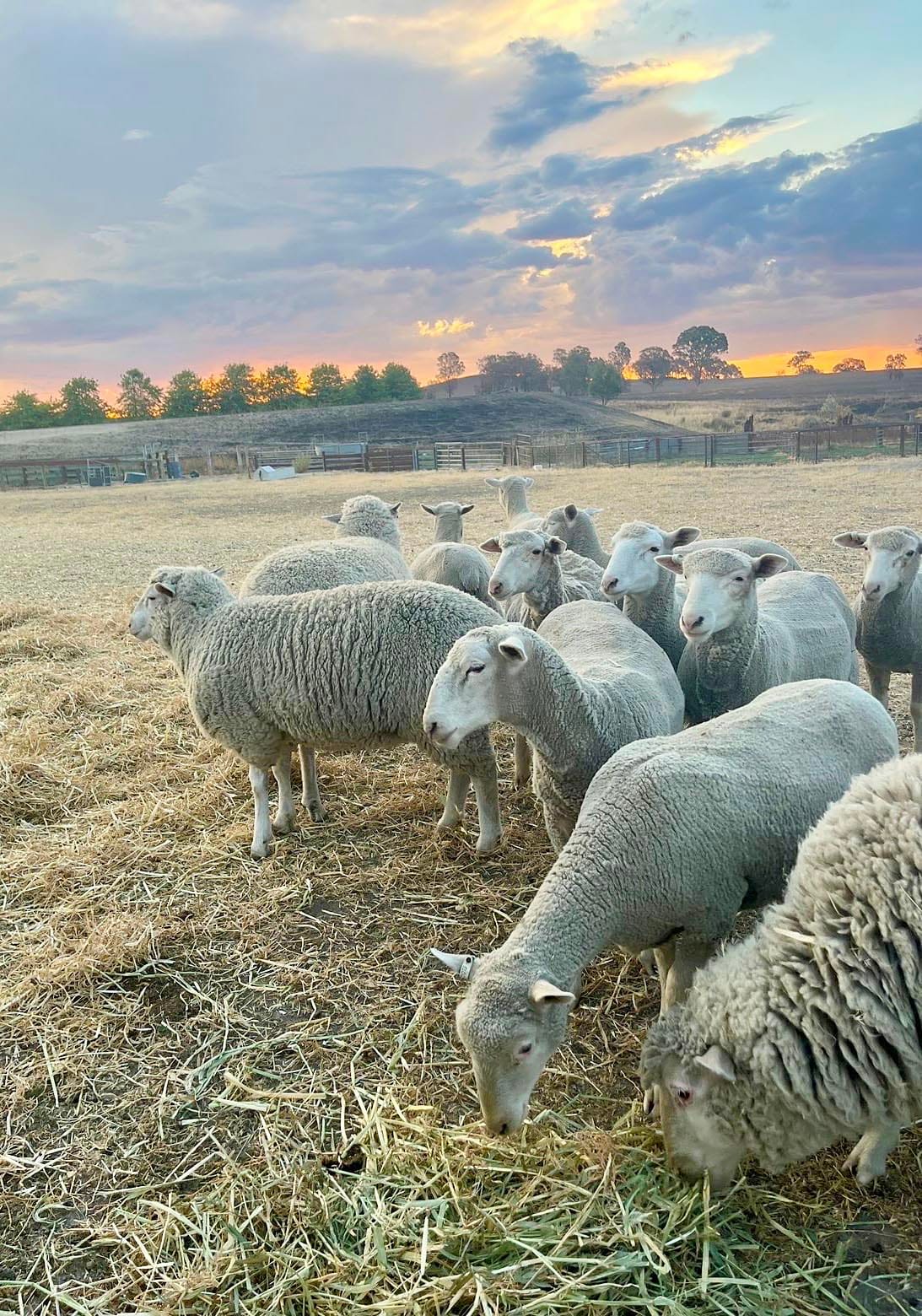
The pressure in the aftermath is relentless. “Everyone’s exhausted, but we won’t stop working,” he says.
“The sheep still need attention, and there is so much on the property that needs fixing. You don’t really get time to process it.”
The constant motion after the fires, Alister says, has made it harder to confront the emotional toll.
“Some days you’d get home, and it hits you how depressing the situation is.”
The bushfires burned through about 98 per cent of the Ruffy property.
About 1000 Merino ewes were killed. About 30 hectares of vineyards were destroyed and many fences were damaged.
A second house on the property was also lost.
The fires spread quickly and unpredictably, making it hard to save livestock without risking human lives.
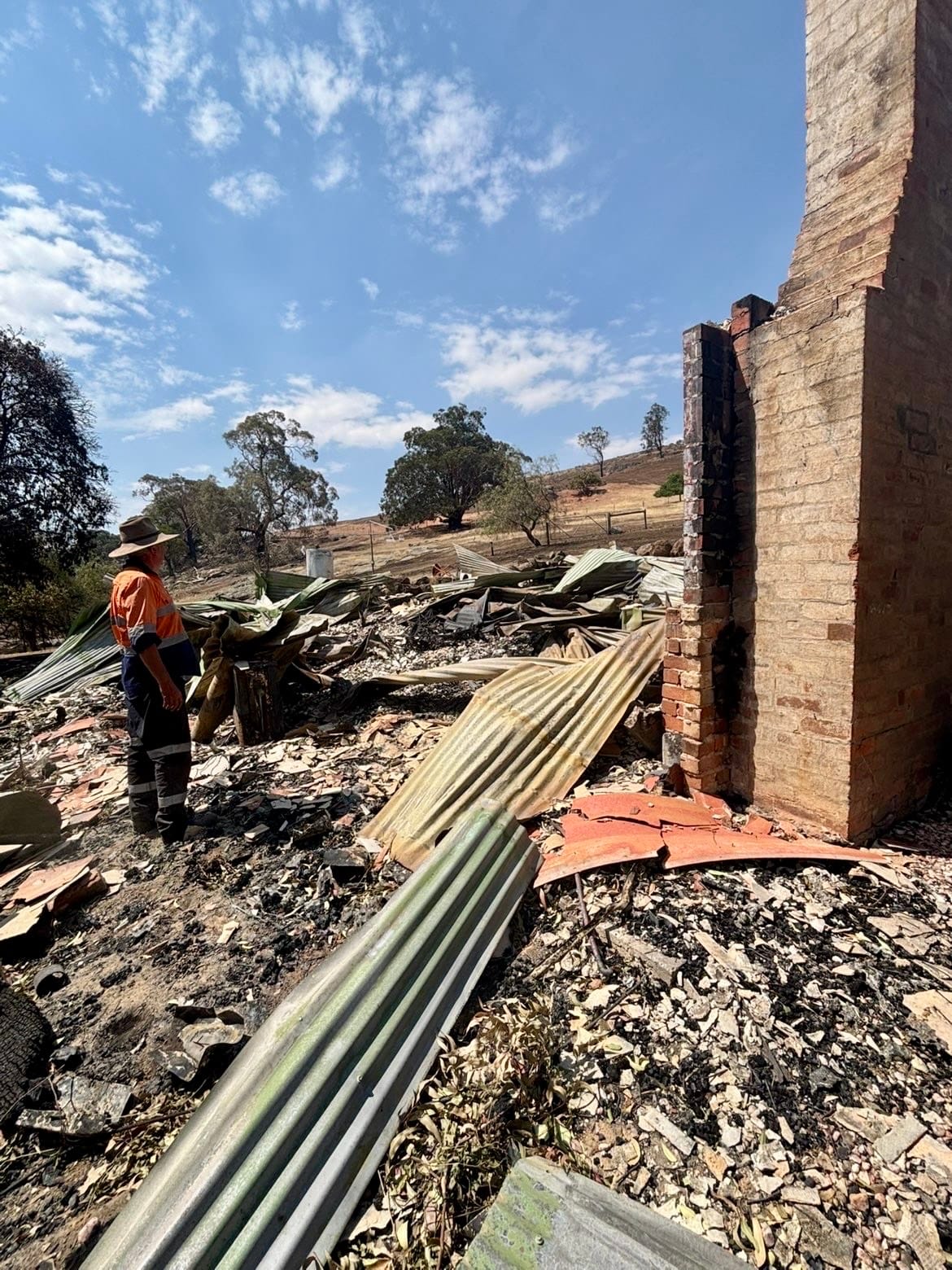
Emergency services, including the CFA, have provided strong support but resources have stretched as fires raged across the state.
Nearby communities, particularly Ruffy, suffered major damage, with homes and landmarks destroyed.
As soon as the danger passed, the work intensified.
Emergency crews moved on to other regions but the damage remained.
Burnt trees still need clearing, fences still lie twisted on the ground and livestock losses continue to shape every task that follows.
Alister says recovery is slow and often invisible.
Days are spent clearing debris, repairing what can be salvaged and making the land safe enough to work again.
“People think once the fire’s out, that’s it,” he says. “But that’s when the real work starts.”
Victorian Premier Jacinta Allan has announced $19.5 million in joint emergency funding with the Federal Government to support fire‑affected communities.
The package includes funding for emergency fodder for farmers, temporary accommodation, disaster recovery mental health services, recovery caseworkers and a dedicated recovery hotline.
“People heeded the warnings and acted to protect themselves and their loved ones – at great cost,” Allan says.
“We’re standing with them on what will be a long path of recovery.
“From emergency accommodation to mental health help or fodder for livestock – we're ensuring no one is left behind in this recovery effort.”
Beyond government assistance, Alister says local support has been vital.
That support has also extended to frontline responders.
CFA Ruffy captain George Noye says small gestures from the community has helped sustain crews during the response.
In a post on the Ruffy Rural Fire Brigade Facebook page, Noye notes a message and donation from a local child.
He says the child’s gesture has “kept us going” during the fires.
Neighbouring farmers rang each other when fires flared nearby, warning when CFA crews were forced to move elsewhere.
Donations of hay arrived from people who had little to spare.
“Honestly, just showing up helps,” Noye says.
“Checking in, volunteering time, supporting local businesses all matter.”
Alister says the hardest period often comes months later.
“The cameras are gone, everyone’s moved on, but we’re still cleaning up,” he says.
“Even small things, like donating fencing materials or buying local produce, go a long way.”
As Alister returns home after a day’s work, the stench of smoke settles into his clothes and lingers.
“There’s no moment where it feels over,” he says. “You just keep working through it.”
The land hasn’t recovered. Neither have the people on it. But tomorrow, the work will start again.


