

Tamil asylum seeker loses hope of ever leaving detention alive
Refugees detained in Australian facilities are making attempts on their own lives in worrying numbers, as they lose hope of ever being freed.


This story is part of MOJO News campaign #HearMeOut to have a Federal Minister for Suicide Prevention appointed. Please sign MOJO News’ petition here.
BY KARUNA BALASUBRAMANIAN
Having fled human rights atrocities in their home countries to seek a fresh start, some refugees left to languish in Australian detention centres are now so depressed it is hard for them to imagine they will ever be free again.
Sri Lankan Tamil refugee Thanush Selvarasa has been detained for eight years and said he has lost all hope of ever leaving alive.
“It has been an indefinite detention for me, and I have not committed any crime,” Mr Selvarasa said.
“I am tired of fighting and I cannot control my pain and worries anymore,” he said.
Mr Selvarasa was first held on Manus Island in Papua New Guinea (PNG) for seven years, before spending the past year detained at Melbourne’s Mantra Hotel.
He last attempted to end his life three months ago, and it was not his first attempt.
In a 2018 statement, the United Nations High Commission for Refugees (UNHCR) urged the Australian Government to take action on the “collapsing health situations among refugees and asylum seekers at offshore facilities in Papua New Guinea and Nauru”.
Research showed rates of self-harm were highest for refugees and asylum seekers who were held in offshore and onshore detention facilities.
The findings revealed, when compared with the general Australian population, the rates of self-harm among refugee and asylum seeker populations was unusually high.
“I was transferred to Australia for medical treatment after I tried committing suicide,” Mr Selvarasa said.
He believed his situation would positively change if transferred to Melbourne under the Medevac scheme, but it was unavailable.
“I was already depressed and unhappy when I was transported here and they again locked me up in a hotel room without fresh air or sunlight for nine months,” he said.
“I was mentally affected and deeply saddened...I felt there was no other option.”
Mr Selvarasa was among thousands of Tamils who feared for their lives and fled to Australia seeking asylum.
A report by the Australian Home Affairs stated as of February 2020, more than 1440 people were being held in detention centres.
The report also indicated more than 334 refugees were held for more than 730 days in detention centres.
Mr Selvarasa said the guards on Manus Island treated detainees like prisoners.
“We were being treated as a criminal would be and were often punished, and there was also an incident of shooting at the detention centre by soldiers during Good Friday a few years back,” Mr Selvarasa said.
“Over 60 of my friends tried [dying by] suicide on Manus Island and some actually died.”
Mr Selvarasa is now being detained at the Melbourne Immigration Transit Accommodation (MITA) in Broadmeadows. He said it is an improvement on Manus Island, but COVID-19 has heightened his concerns.

“In MITA we are at least getting some fresh air, but these fences make me crazy,” Mr Selvarasa said.
“There is no social distancing and we are at greater risk with officers coming from outside,” he said.
Mr Selvarasa believes every moment is uncertain and he hopes to experience some freedom before anything worse happens.
Tamil Refugee Council spokesperson Aran Mylvaganam said being isolated from the community, in addition to their living conditions, has led refugees to develop multiple mental health issues.
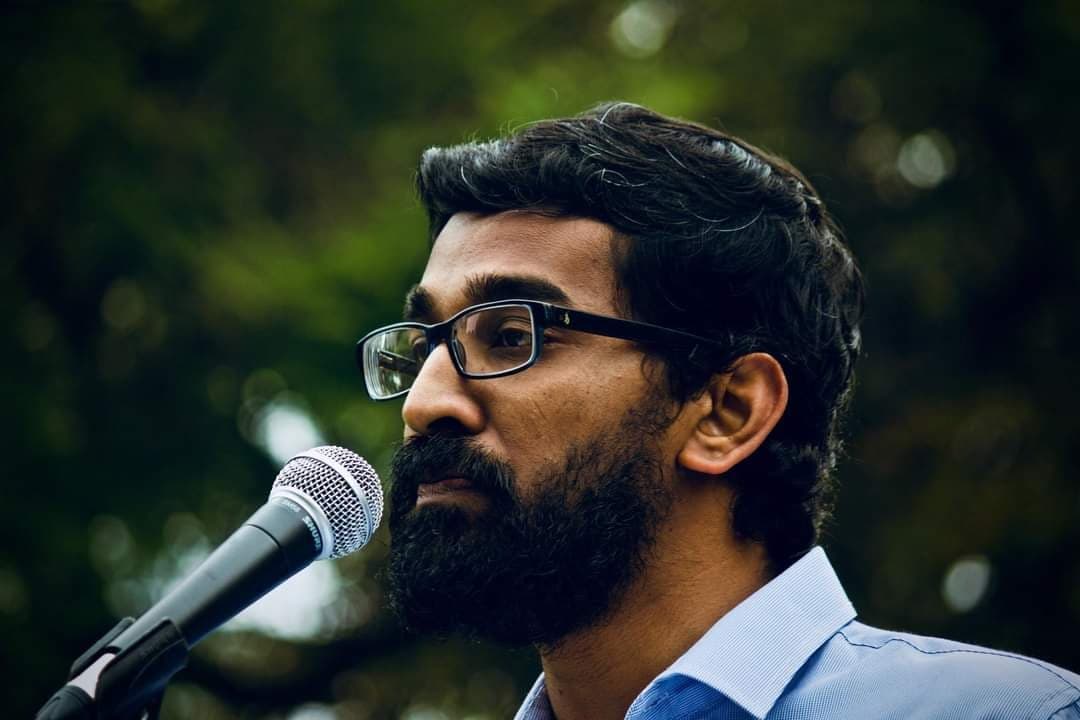
“Most of the refugees in detention centres have been in there for over seven years now and are isolated from the community,” Mr Mylvaganam said.
“They have been taking antidepressants to deal with the life they are living and that itself has created many issues,” he said.
Mr Mylvaganam said many refugees tried to take their lives – some succeeding – with suicide attempts in detention centres having a resonating effect in the refugee community by triggering more of them.
MOJO News contacted the Department of Home Affairs but it refused to comment, stating it does not “have the resources to reply to student run publications”.
LIFELINE: 13 11 14


