
I got Rickrolled by the Merriam-Webster Dictionary

OMG, I am totally crashing out over the Merriam-Webster Dictionary having a glow-up after introducing 1400 new words.
Okay, sorry about the ragebait.
Last month, America's oldest dictionary publisher, Merriam-Webster, announced a 1400-word update to their website.
The makeover includes entries spanning everything from Sunday Scaries to vibecoding, and my personal favourite: ‘Rickroll’.
It took a focus on words that have “demonstrated widespread use over time, offering a window into the world today.”
But this isn’t anything new. Last year, Cambridge Dictionary became the talk of the linguistics town after adding 6000 new words, including social media slang like ‘skibidi’ and ‘tradwife’.
If you’re chronically online, like myself, you’ll already be familiar with a good chunk of these words, as their origins can be traced back to the beautiful wasteland that is social media.
The University of New South Wales suggests social media platforms have long contributed to the development of language.
But as official resources for the English language begin to incorporate ‘Gen Z’ slang, some are left asking: How has this shift been so effective?
Lecturer in Linguistics at Monash University, Ward Peeters, said social media has amplified the reach of cultural phenomena and influence on language.
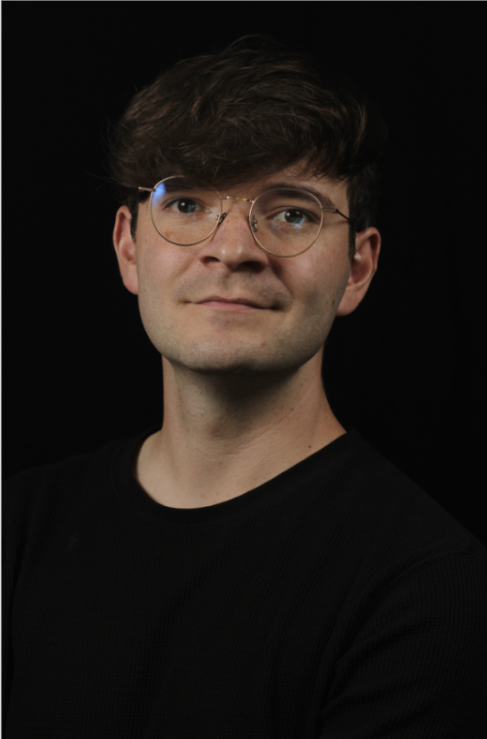
“Language is always evolving and has evolved. 1000 new words emerge every day, but only some of them stick,” Peeters said.
“But social media has created a communal culture where a cultural phenomenon can all of a sudden find its way into so many people’s lives.”
And not only has it become a breeding ground, but Peeters also suggests that it has sped up the process of new words and phrases finding their way into our everyday vocabulary.
“Language change is going faster than it used to because of the reach and the fast-paced interaction that is happening across social media,” he said.
“So, while language change took months and years in the past, now it can take just weeks for a whole speech community to use a new word.”
Peeters said another note is that a lot of these new entries aren’t actually new words. Most often, they are existing words or phrases that have been recontextualised or repurposed.
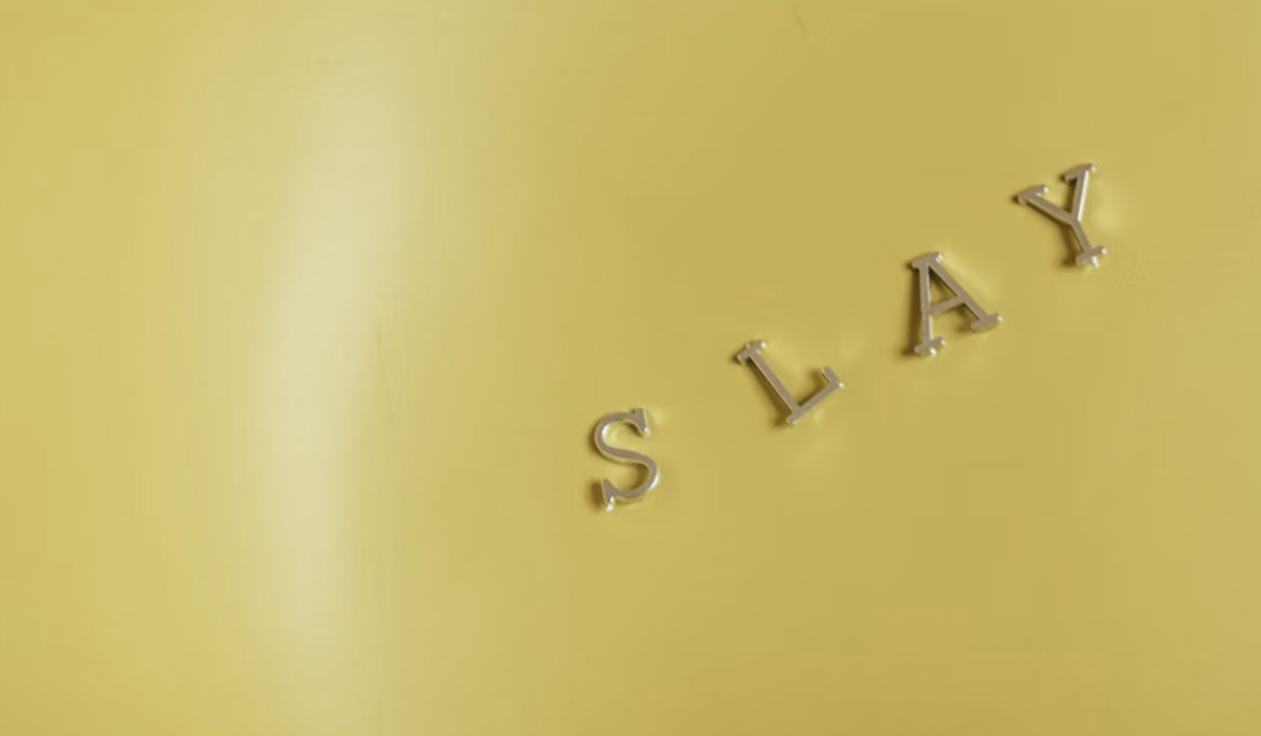
“The word ‘slay’ is a repurposing of a word that already existed.”
The origins of ‘slay’ can be traced back to Old English, pre-1150, and it has had many meanings over this time.
It once was a noun, referring to a tool that was used in weaving. Then, in North American English, it referred to the act of murdering someone, usually in a particularly violent way.
And now, the most common use of the word across social media, finds it used to describe something that is impressive, attractive, or to convey agreement.
So, how does a word like “slay”or, more recently, “looksmaxxing” make it into an official resource for the English language?
Peeters said some dictionaries are more conservative than others, and that Merriam-Webster is usually the first one to adopt new words.
To adopt a new word into the dictionary, Peeters said they look at frequency of use, variety, and the types of publications using the word.
“Everyone’s individual experience with language is different, hence we need a dictionary that has the metrics, analytics, and decision-making.”
So, to a certain extent, we all hold the power to change the dictionary.
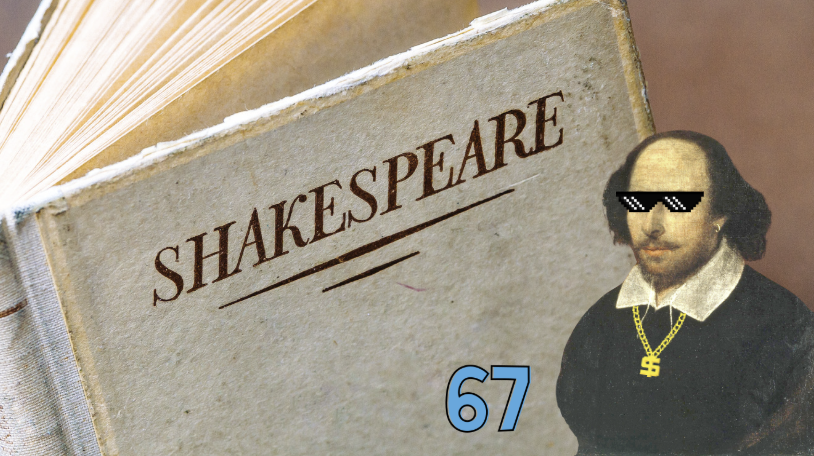
Theatre was once the biggest influence on the English language, but now we have a new kind of stage – social media – and, with it, a whole new vernacular for us to delve into.
RIP Shakespeare, you would have loved Skibidi Toilet.