


'It terrifies me': Are local footballers protected from head trauma?

by India Phillips and William O'Brien
In his final year of school Flynn Long had a choice – risk another concussion in his final year or play the game he loves.
Long has played 14 years of competitive football, most recently for East Burwood of the Eastern Netball Football League (ENFL), copping his share of head knocks along the way.
Throughout the 14 years of his career, Long has suffered three concussive hits, one in 2021, 2022 and 2024 respectively.
Long’s 2024 concussion was in his final year of secondary school.
Due to the potential risks of another concussion, Long had to make the potentially life changing decision to forgo his final season of school football to prioritise study.
“The reward wasn’t there for the risk, especially in Year 12, with almost my entire future on the line,” Long said.
Long made this decision through consulting doctors who are educated regarding the risk of head impacts.
When asked about his feelings behind being at risk of developing chronic brain trauma, Long expressed his concern.
“It terrifies me.”
“It’s something I’ve always thought about and you hear all these stories about the stuff that it does,” Long said.
“I had some of my close friends joke about the fact that I’d get CTE.”
Chronic traumatic encephalopathy, or CTE, is a degenerative brain disease that occurs disproportionately in athletes who have experienced significant head trauma, leading to behavioural and mood changes as well as memory and cognitive issues similar to dementia.
CTE can only be diagnosed after death.
in August this year, news broke that Geelong Football Club secretly signed on a player under the condition the player would lose legal protection for future brain injury.
The player, revealed to be veteran Jake Kolodjashnij, had a history of concussion before signing the deal.
The Geelong Football Club has since been fined $140,000 for negligence.
The news shook the AFL world, raising questions surrounding the protocols for how clubs deal with player safety.
If a multimillion dollar association struggles with player safety, how are players who play at a local level protected from head trauma?
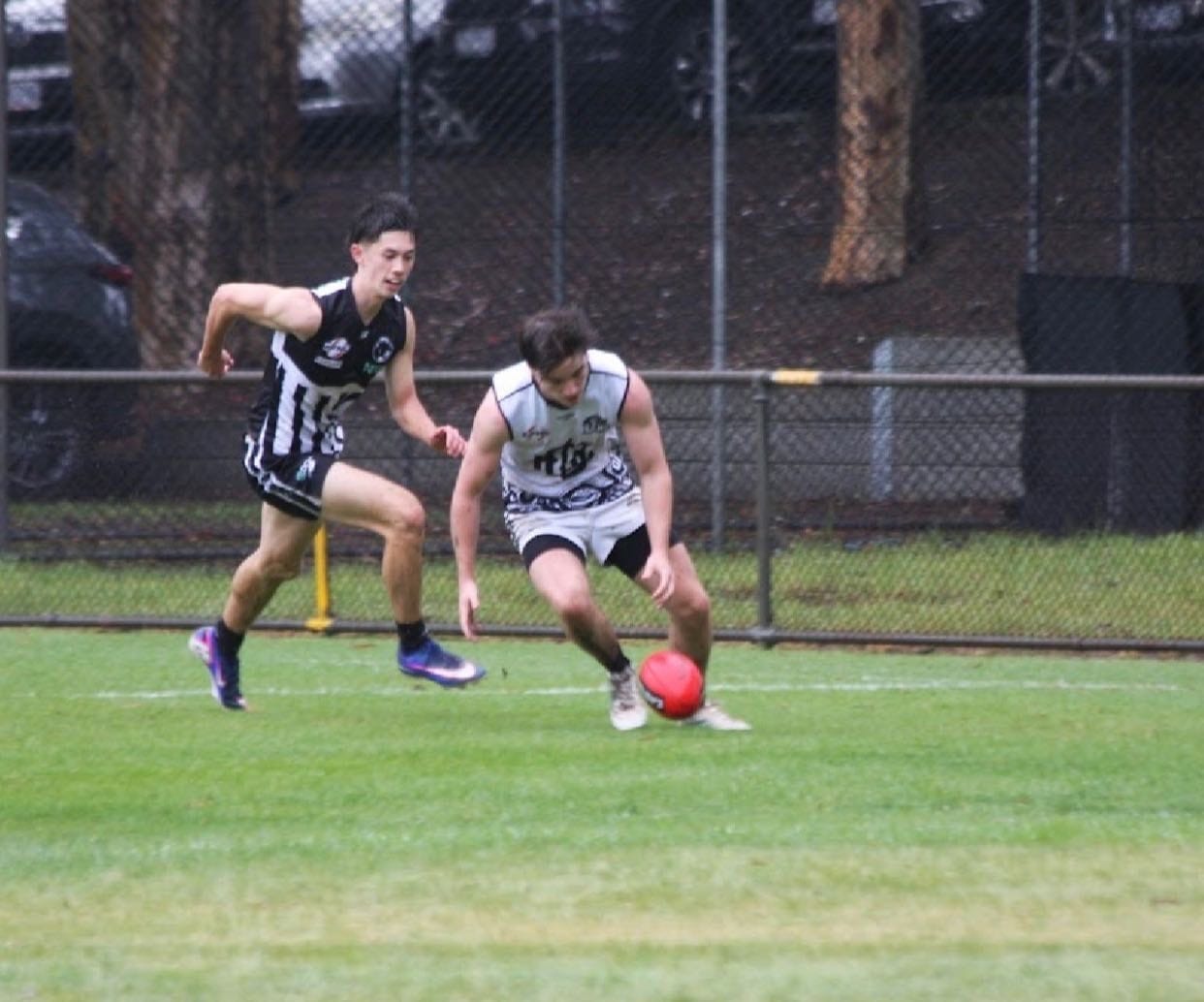
Dr William O’Brien, a researcher with the Monash Trauma Group, is an expert around head knocks and their long term effects.
He believes concussions can be just as worrisome as CTE.
“People get head impacts when they're 20 and younger, and then 30, 40, 50 years later, they die with evidence of CTE in their brain,” Dr O’Brien said.
“The impacts of concussions or head traumas in general when you’re younger can have greater and longer lasting effects on the brain.”

Repeated head trauma can lead to long‑term issues such as mental health problems, substance abuse and an increased susceptibility to future concussions.
“In absence of CTE, you'd be incredibly concerned about concussion anyway,” Dr O’Brien said.
“I think there’s no doubt that concussions and repeated concussions are having some pretty nasty effects on people.”
Josef Paatsch, a former player for the Geelong Football League, had an extensive experience with concussion in his teens.
He has endured seven concussions in total, many of which were back-to-back in high school.
“It was a pretty depressing existence,” Paatsch said.
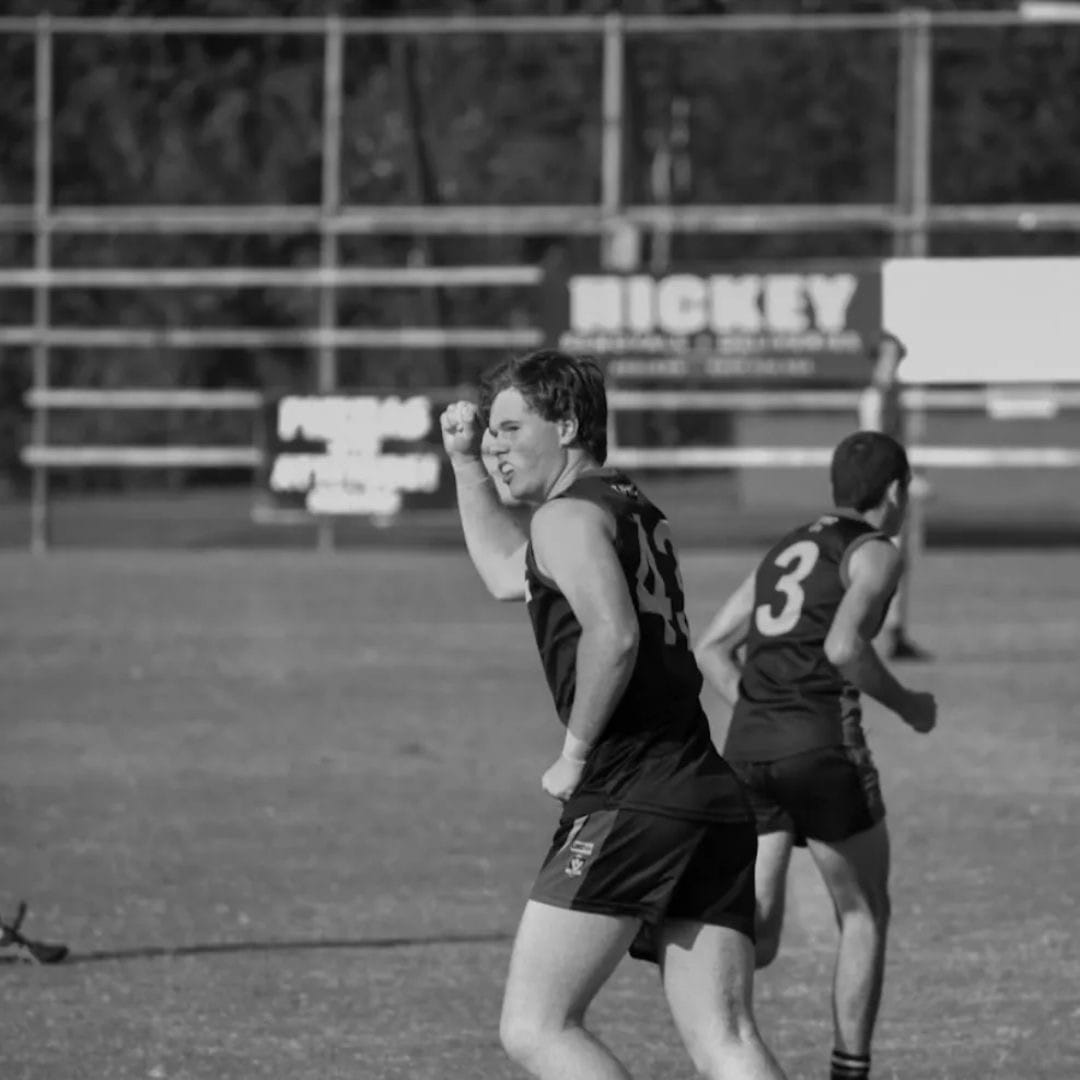
Originally from the Geelong area, Paatsch said he’d noticed differences in concussion treatment in regional versus metropolitan clubs.
As he grew older, the protocols at his clubs, Lara Football Club, and St Josephs respectively, changed and improved.
“They had a really good process and policies in place,” he said.
“Some clubs aren't as fortunate enough to have doctors on sites. In the country, there's probably not as many clubs that are able to afford that privilege.”
Paatsch has multiple connections to the Geelong Football Club itself, including past teammates, coaches, and friends.
In light of the new waiver, Paatsch said he feels worried for the people in his life who could be impacted.
“You hope they don’t get that treatment,” he said.
“People are definitely concerned about it.”
Despite his challenges, Paatsch believes footy is beneficial to health and local communities.
“Footy clubs in my experience are probably some of the best places that you can ever be in terms of making friends and having a community,” Paatsch said.
Alex Cross, a physiotherapist for the Collingwood Football Club's men's team said the most important thing for players was to be able to return to play safely, and not risk further injury.
“There is a really high injury risk post concussion... so we just need to make sure we've addressed those precipitating factors in the rehab,” Cross said.
The medical team use Sport Concussion Assessment Tools (SCAT) and Cognigrams – systems used to monitor cognitive function – among a range of other methods tailored to each individual player.
Last year for Collingwood, concussions were in the top three injuries resulting in a missed game. In this year alone, there have been nine concussion incidents as of 20 August.
“Last year they (concussions) were in the top three for our missed games,” Cross said.

In the AFLW, concussion protocols are similar to that of the men's league, even though “concussion rates are much higher in AFLW,” Cross said.
A National Library of Medicine study found that concussion occurs 2.1 times more in AFLW players than those of their male counterparts. However, the concussion protocols between the men and women’s leagues are similar.
“There might be a little bit more conservatism around the rehab [for women],” Cross said.
Similarly, grassroots clubs and competitions use a more basic treatment system compared to the advanced protocols employed at the elite level.
The AFL Play Concussion Policy and Guidelines used by local football leagues, such as the Eastern Football Netball League (ENFL) outline a four stage concussion treatment plan.
Whereas Collingwood goes through “12 stages in total,” Cross said.
“Risk of concussion goes up exponentially as you go down the tiers, so the reserves grade is of much higher risk of concussion than of an AFL standard.”
A National Institute of Health study, found that among the confirmed cases of CTE, 71 per cent were amateur athletes.


