

Victoria's plastic bag ban could recycle old problems
Without education and a change in consumer behaviour, Victoria’s single-use plastic bag ban won’t solve our environmental problems, waste experts say.


Article and vox pop production by EMMA PETRIE
Without education and a change in consumer behaviour, Victoria’s single-use plastic bag ban won’t solve our environmental problems, waste experts say.
A statewide ban on lightweight plastic shopping bags is now in force across Victoria.
Women Against Waste speaker Carina Turner said a bag was only reusable if people were prepared to reuse it.
“If people treat the alternative options the same as they did with single use plastic bags, the problem won’t go away,” she said.
While thicker plastic bags sold for 15 cents at Coles and Woolworths were more durable and so more likely to be reused, many people only reuse them once as bin bags or dog waste bags and they end up in landfill.
“Due to their thickness, they take longer to break down in landfill, and so are not a better solution if they are only going to be used once or twice,” she said.
“The best bags to use are the green ones from Woolworths and Coles, called ‘Bags for Good’, for the amount of energy going into production and the bags’ sturdiness,” she said.
“They are actually made from recycled plastic but can be reused many times and are recyclable.”
Chemical engineer Thomas Parker, who works at the waste and soil treatment facility Enviropacific Melbourne, said the ban was a good move, but it wasn’t enough.
“Without a change in mentality, swapping the material our bags are made of won’t solve the problem,” he said.
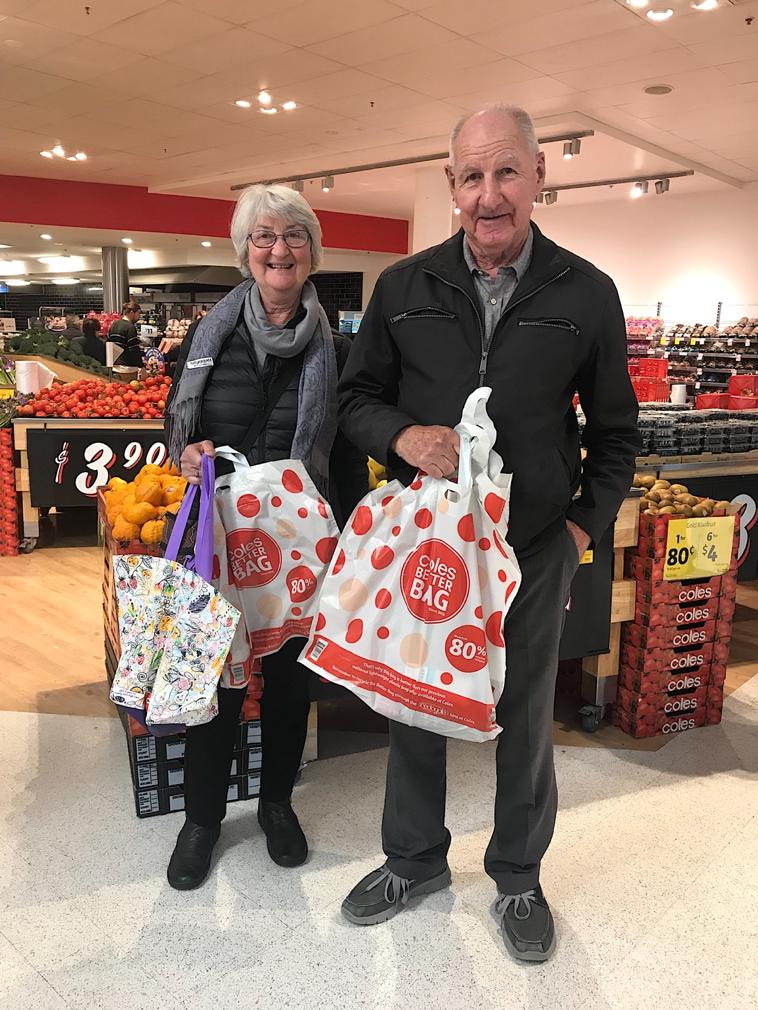
Banning plastic bags “is a good step in the right direction”, but a more comprehensive understanding of our daily impact on the environment will be the “most powerful tool” to fight environmental pollution, he said.
Zero Waste Victoria CEO Kirsty Bishop-Fox said that while the banning of single use bags was a positive step, she hoped to see all plastic produce bags and packaging eventually eliminated.
“I use old bread bags and cereal bags to collect fresh produce when necessary, instead of using single-use produce bags,” she said.
Ms Turner said some typical second uses for plastic bags were not necessary.
“Bins do not need to be lined and animal waste droppings can be disposed of using the ‘stick and flick’ approach,” she said.
Researchers Rebecca Taylor and Sofia Villas-Boas, in a study published in EconPapers in 2016, said sturdy, reusable bags should be offered at a cheaper price compared to less durable single-use bags to promote positive consumer behaviour.
The non-woven polypropylene bags have to be reused at least 11 times to match the impact of a single use plastic bag that is not reused, considering resource use and production, a comparison of supermarket shopping bags by the UK’s Environment Agency found.
The Victorian Government’s ban of single-use bags applies to all plastic bags handed out to customers with a thickness of 35 microns or less, including degradable, bio-degradable and compostable bags.


