


What young people think of One Nation's rise in popularity

When asked about his reaction to One Nation’s electoral breakthrough in the South Australian election, young South Australian voter Tom Papammanoil said he was “shocked”.
“I always kind of saw Pauline Hanson’s party as a joke … I never actually thought the polling would transcend to the ballot box,” Papammanoil said.
“I thought One Nation would die out with the older generation.”

But for Catherine Matters, another young voter based in Adelaide, the result was not surprising.
“Given the overall shift to the right globally and One Nation’s connection to the MAGA movement, I expected it,” Matters said.
While the SA Labor Government had a resounding victory at the polls this year, the major story of the election was One Nation’s unprecedented results.
The right-wing populist party secured a higher primary vote than the Liberals, with a statewide total of 23 per cent against the Liberals’ 19 per cent.
One Nation also secured four lower-house seats at the expense of the Liberal Party – its first lower-house victory outside of Queensland.
Australian National University associate professor of politics Dr Jill Sheppard said One Nation’s electoral success in SA reflected voters' discontent with the major parties.
“What was interesting about the South Australian election was that the swing towards One Nation was not just in Liberal-held seats but also some safe Labor seats,” Sheppard said.
Despite holding on to all its lower-house seats, Labor lost notable ground to One Nation in safe seats such as Cheltenham, Hurtle Vale and Kaurna.
ABC election analyst emeritus Antony Green made the point that this is a “serious warning” for Labor.
Voters turning away from the two major parties
Sheppard said this shift in the electoral pendulum is “mainstream party voters telling us they are not happy with the way politics is currently working”.
While the preferential voting system in Australia supports the two major parties, over the past 40 years, votes for non-major parties have been steadily increasing.

Sheppard said while young voters tend to sit in the progressive side of politics, some young voters are turning to right-wing parties like One Nation.
“I think it’s because One Nation can give easy, clear answers to the issues young people care about such as job security and housing affordability.”
Papammanoil said One Nation is appealing to young people's anger.
“They take an issue like housing, which is a key source of frustration for young people, and use it to spread their harmful rhetoric about immigration.”
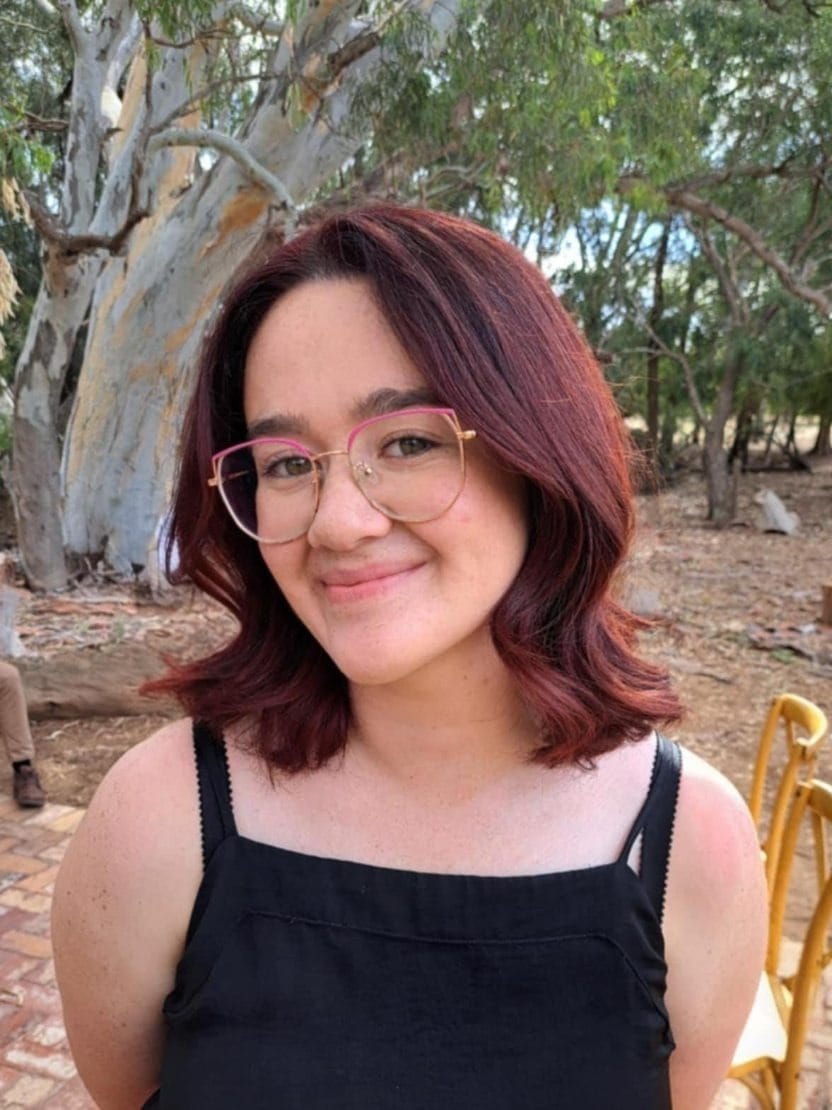
Matters, who works at the University of Adelaide, said historically the political divide has been between the older and younger generations, but now she is seeing a divide within her own generation.
“We see the cost-of-living crisis driving some young people, like myself, to vote for the Greens or independents while others are turning to conservative parties like One Nation,” she said.
Could the orange wave hit Victoria?
After the Farrer by-election, most attention will turn to the Victorian election in November, where One Nation is seeking support from disaffected voters.
Two Victorian polls, including a Victorian Rebridge and Accent Research poll and Freshwater poll, have One Nation at 23 to 24 per cent.
Sheppard said the Victorian election will be an interesting test case, given it is the most urbanised and progressive state, but was also the site of two neo-Nazi rallies last year.
Last August, anti-immigration March for Australia rallies were held across the country, with politicians like Hanson in attendance.
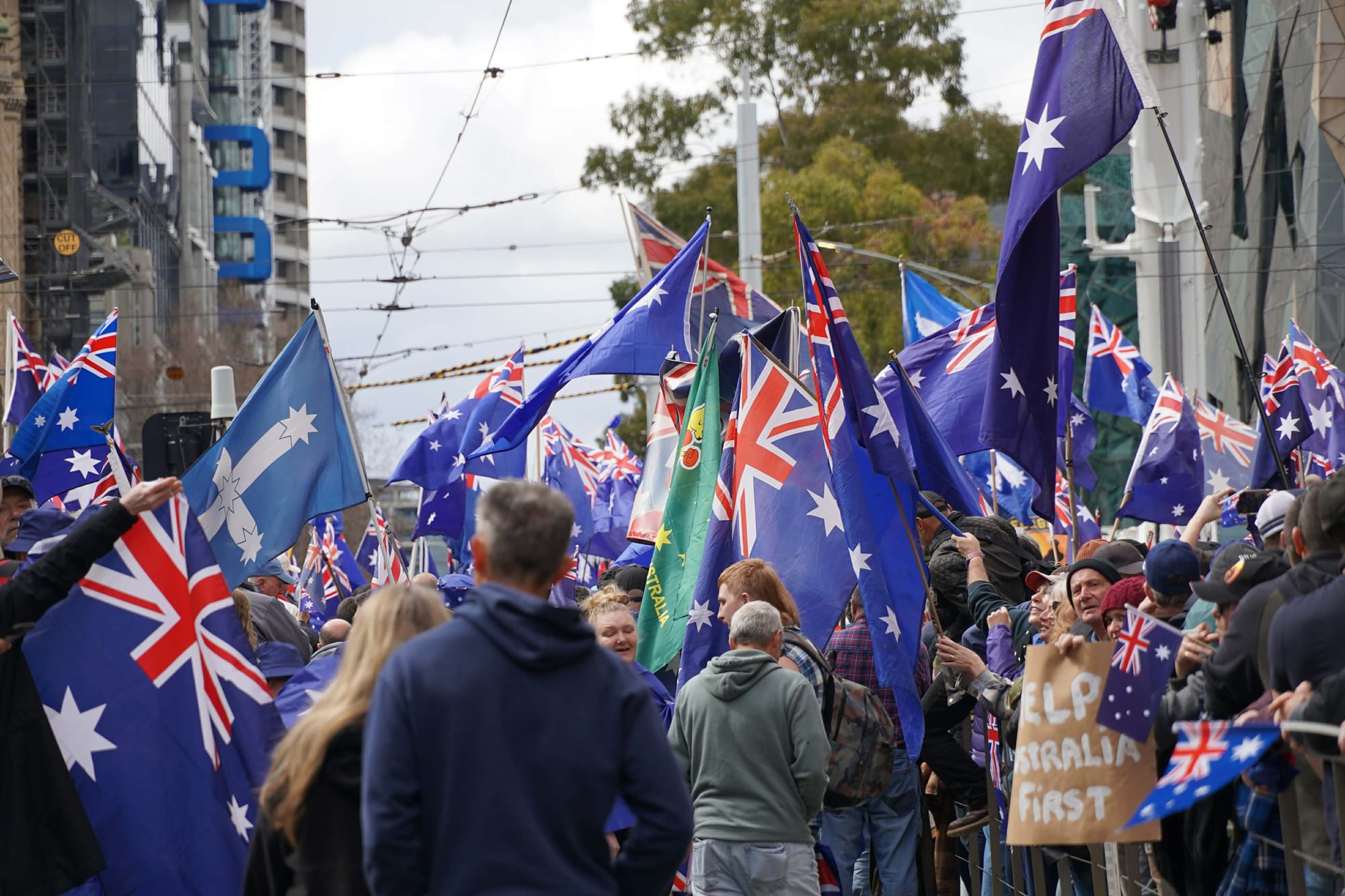
At Melbourne, demonstrators were addressed by a neo-Nazi Thomas Sewell on the steps of Parliament.
Sewell claimed ‘his men’ led the march, adding: “If we do not stop immigration, then our death is certain.”
Monash University international student Elaine Li said the looming threat of One Nation in the Victorian election is “deeply concerning”.

“The things Pauline Hanson says about migrants creates real harm and normalises stereotypes about migrants,” Li said.
“I’ve had people shout at me: ‘go back to your country’,” Li said.
Anti-migration rhetoric dominates the political sphere
Li said the increase in support for One Nation and the wave of right-wing populist movements across the globe has resulted in migration being increasingly more politicised in Australia.
The federal Coalition recently unveiled a hardline immigration policy, which aims to reduce migration and ‘boot out’ those who do not align with Australian values.
Australian Bureau of Statistics data show net overseas migration has fallen from 429,000 in 2023–24 to about 306,000 in 2024–25.
Labor ministers accused the Liberal Party of “engaging in desperate dog-whistling” to win back One Nations voters, as they propose to end non-discriminatory migration policy.
The Greens have accused the Coalition’s policy of mirroring elements of the discriminatory White Australia policy.
Li said there is a “lack of basic empathy” in the debate on migration.
“Migrants are scapegoated for problems created by politicians,” she said.
Ki Li Clarke, another Monash University student, agrees migration is being politicised in a way that is harmful to migrant and Muslim communities especially.
“When politicians up on top create this rhetoric that migration is bad or that there are no good Muslims, it trickles down,” she said.
Earlier this year, Hanson made a comment suggesting there are ‘no good Muslims’ in an interview with Sky News.
This is not the first time Hanson has made a sweeping generalisation about a faith community. Hanson has a long history of scapegoating vulnerable minority groups.
Pauline Hanson has no regrets over her Senate burqa stunt and says she’d do it again https://t.co/Glt7pvshBp pic.twitter.com/2NCL6Ctbns
— news.com.au (@newscomauHQ) August 18, 2017
In her first speech to Parliament in 1996, Hanson claimed Australia was being ‘swamped by Asians’.
Both Li and Clarke would like to see more done by the Labor Government to challenge the anti-migrant rhetoric spread by politicians.
“I was disappointed to hear Albanese say there were ‘good people’ at the March for Australia,” Clarke said.
“To me, that was the Government sending the message that racism towards migrants and protesting with neo-Nazis is acceptable.”
Could the tide turn on the far right?
Sheppard said she is “pessimistic” about whether One Nation will be able to cement itself into the political system for the long term.
“Voting choices often change. Right now, One Nation are capitalising on people’s worries about fuel prices and housing affordability,” she said.
“It’s quite easy for them to link these issues to immigration … but over time, people’s concerns may be different and other minor parties may appeal to these concerns.”
Clarke said to prevent the debate around immigration turning into a culture war, the Labor Government needs to address voter’s economic grievances.
She referred to Zohran Mamdani's successful New York mayoral campaign as an example of how politicians should be communicating to young voters.
“We saw even in the US, where culture wars and racism is rife in politics, Mamdani was able to shift the political agenda back to the issues voters care about … cost of living,” Clarke said.
Papammanoil also said he would like to see less politicisation of issues like housing affordability and, instead, more constructive policies.
“I’m sick of hearing political talking points … I want them to send a clear message on what they will do to solve these issues,” he said.
"This is what will win young voters.”


