

Surge pricing raises concern amid cost-of-living crisis
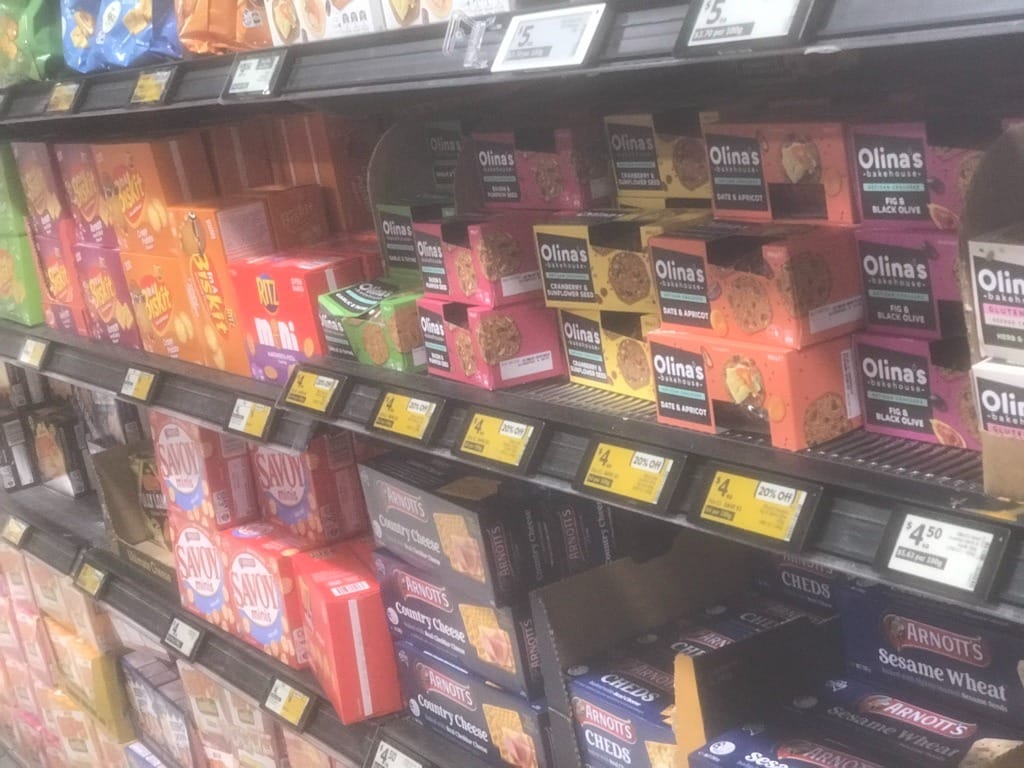
Supermarkets are introducing electronic shelf labels, leading to concerns over surge pricing.


As food insecurity rises and the cost-of-living crisis continues, there are growing concerns from consumer advocates that Coles and Woolworths could be exacerbating the issue.
These fears have been heightened by the introduction of electronic shelf labels (ESLs) by the supermarket duopoly, leading to claims that they are encouraging practices such as surge pricing – also known as dynamic pricing.
Dynamic pricing is a system where prices change in real time, contingent on factors such as demand, timing or consumer behaviours.
Coles and Woolworths have supported the introduction of ESLs.
In a statement published by the Woolworths Group in November 2023, when the ESLs were first being rolled out, the group said that “stores that have already converted to Electronic Shelf Labelling have reported a significant reduction in ticketing errors and issues for customers”.
According to the Australian Competition and Consumer Commission (ACCC), while surge or dynamic pricing is not illegal, businesses “must be clear about the price consumers will pay”.
Speaking to the ABC in March, former ACCC chair Alan Fels raised concerns about the rise of ESLs.
“Different consumers pay a different price for the same product at the same time. It seems unfair,” Fels said.
Sarah Pennell, general manager of research and advocacy for Foodbank Australia, questioned the ethics of dynamic pricing.

“Nowadays, it's the everyday necessities that people can’t afford anymore. This is exacerbated by any kind of inappropriate price increases,” Pennell said.
Pennell said food insecurity in Australia is largely driven by economic constraints, with many households unable to afford food.
“People doing it tough are getting slammed in all directions at the moment.”
She questioned the role of Coles and Woolworths in the cost-of-living crisis.
“The thought of supermarkets adding to that seems inhumane. We have seen, through the ACCC cases that are going through the courts, that the true nature of some of the practices are not in the interest of customers or consumers.”
One example currently before the Federal Court involves the ACCC alleging Coles and Woolworths engaged in misleading discount pricing practices, where products were allegedly marked up before being promoted as “discounted”, giving the impression of savings that did not exist.
Pennell suggested that part of the issue stems from the fact that the federal government does not yet have strict food laws.
Australia is a party to the International Covenant on Economic, Social and Cultural Rights, which recognises the right to an adequate standard of living, including food. However, Pennell questions whether this is reflected in domestic food policies.
“We as a country, don’t have any kind of charter or commitment around people’s right to eat or have food. That’s where the issue starts,” she said.
“It starts with an acknowledgement and an awareness that any individual practice that works against this [the right to food] should not be allowed.”
Pennell offered some practical solutions for customers who are worried about being caught out by dynamic pricing.
“I would suggest that customers stick to lower processed foods. That can help them both from a price perspective, but also in terms of nutrition. Don’t go for higher processed foods.”
“Without travelling around too much, price watching online is also very useful, looking at the various supermarket catalogues,” Pennell said.
Beatrice Sherwood, a policy advisor at the consumer advocacy group CHOICE, also spoke of how price transparency affects consumers.

“Price transparency is critical in supermarkets; it enables consumers to effectively compare products, identify genuine discounts and make informed decisions about what they’re buying,” Sherwood said.
She said existing regulations do not require supermarkets to provide historical data, limiting the customers ability to verify promotional claims.
She also raised concerns about the impact of ESLs, warning that technology could make pricing harder to track.
“Consumers are faced with a plethora of price tags when they walk down the aisles of a supermarket and promotions are already confusing,” Sherwood said.
“Technologies like electronic price tags risk exacerbating these issues.”
She questioned whether current regulations are doing enough to address the risks associated with dynamic pricing.
“Existing rules focus on whether a price is clear and include requirements to display unit pricing to make comparison of products easier,” Sherwood said.
“But they don’t require supermarkets to provide historical pricing information that would allow customers to check and verify discount and promotional claims.”
As cost-of-living pressures continue, concerns remain about whether current pricing practices and regulations are doing enough to protect consumers.
Coles and Woolworths were contacted for comment.


