


PCOS and the online trap

PCOS sufferers say they have been neglected by the medical system. But where a supportive community waits online, so does an information minefield of exploitation and conspiracy.
Jade Orr, 25, has just received a diagnosis of a lifelong chronic illness. She is leaving her appointment with no medication prescription, treatment plan or follow-up appointment.
"I didn't know what to do," Orr, a government service officer, remembers thinking.
"This is just something I have to live with.”
Orr does not have a rare or untreatable condition. She has polycystic ovary syndrome (PCOS), a condition that affects about one in 10 women.
So why are some people suffering with this condition turning away from their doctors?
What’s cysts got to do with it?
PCOS symptoms are plentiful and painful: excruciating periods, fertility issues, hormone imbalances, excessive hair growth, chronic acne and trouble regulating weight.
Those with PCOS are also more likely to suffer from poor body image and eating disorders.
But for some, the most painful part is feeling dismissed by their doctors when they are symptomatic.
It can take years to receive an official diagnosis, with an estimated 70 percent of PCOS sufferers worldwide going unidentified.
When Orr left the gyneacologist’s office, she felt as if her diagnosis hadn’t been explained with real gravity.
"I had to pay $600 to be there, just for him to look at a scan [and] tell me, yep, there's cysts there and nothing else," Orr said.
"[They] really didn't explain what options were out there or what I could do."
Dr Jillian Tay is a clinical endocrinologist and key contributor to the 2023 International Evidence-based Guideline for the assessment and management of PCOS.
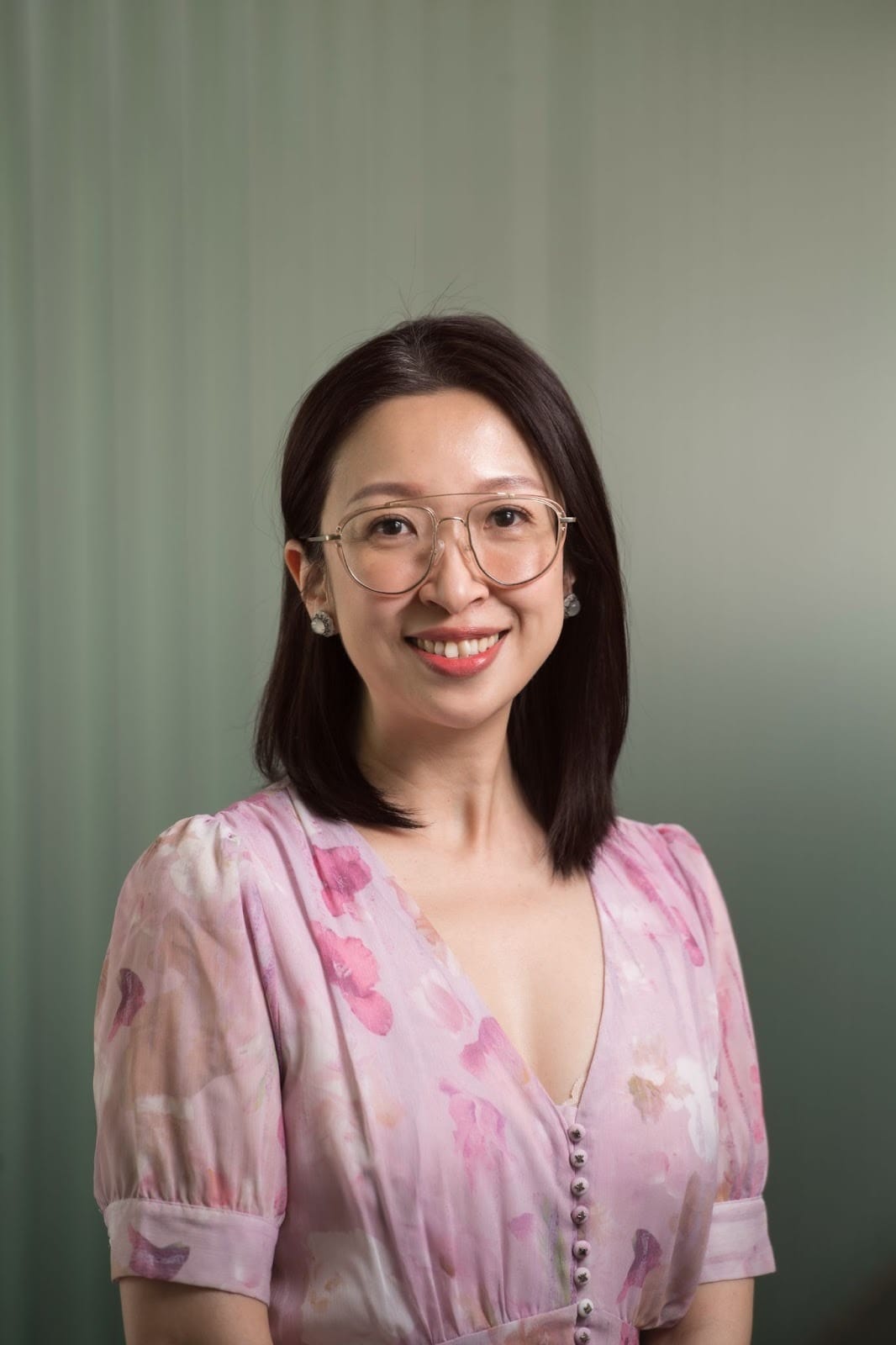
She believes dissatisfaction with medical treatment stems from educational and systemic issues.
"It’s mainly the lack of training," Tay said.
"Doctors tend to downplay women's concerns."
When PCOS sufferers do finally get diagnosed, they are generally prescribed the contraceptive pill and told to return when they want to get pregnant.
Tay said while the pill is one of the most effective treatments for PCOS, it is reductive to offer it as the only option.
"It will help you to regulate your periods. It will prevent endometrial cancer, and it is going to help with your skin manifestations of acne," Tay said.
"[But] this is indicating that the only thing that PCOS tends to affect is the fertility side of things, and nothing else," she said.
If PCOS sufferers resist the pill for fear of a negative reaction or for personal choices, they are often disregarded.
Orr had already been on the pill before she was diagnosed with PCOS, and knew it was not an option for her.
"It was one of the biggest things that just made PCOS happen even more once I got on birth control, things just were never running the same," Orr said.
"Over a certain amount of years, it … took the toll."
This lack of options and a culture of neglect has reportedly led to a high rate of medical distrust among PCOS sufferers.
The 'cyster' community: Sisters or scammers?
The online PCOS community, known as the ‘cysters’, are groups of PCOS sufferers who share advice or stories about their PCOS.
Orr found the support online she was missing from her doctor, and even learned about medicine options such as Metformin.
"I think that was really nice knowing that I'm not the only one out there that was like dealing with these problems," Orr said.
A post shared by @emmamvollmer
A post shared by Tat’heer Fatemah (@tatheerfatemah)
The community can be a comforting space for sufferers feeling isolated by their condition. But where there is support, there is also monetisation.
Some PCOS influencers promise they can help women lose weight and ‘heal’ their PCOS symptoms purely through their paid diet and exercise plans.
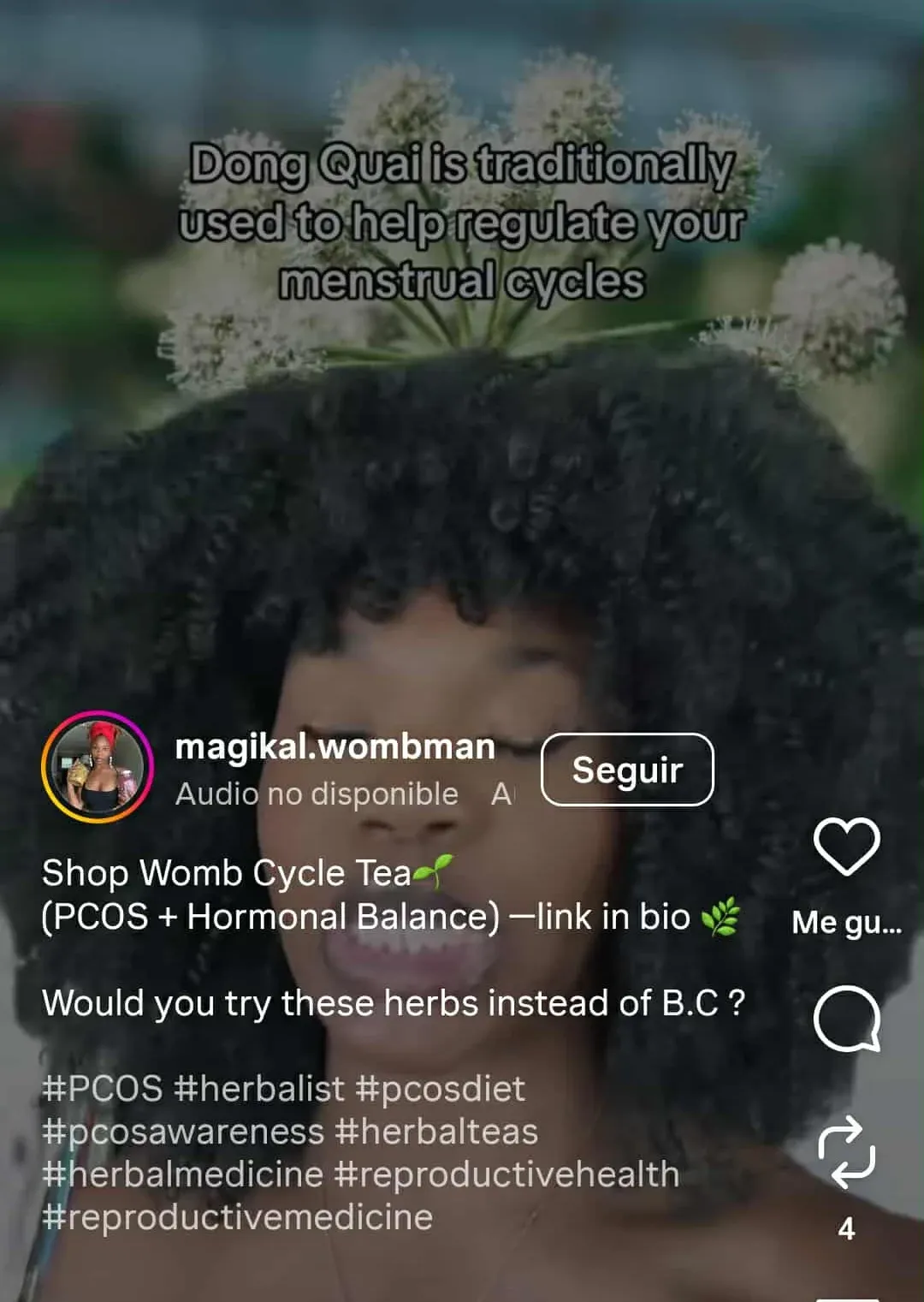
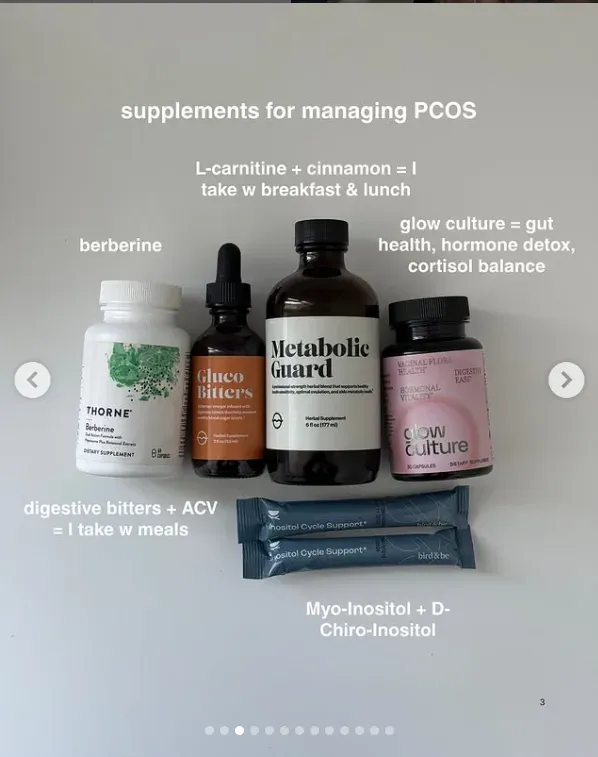
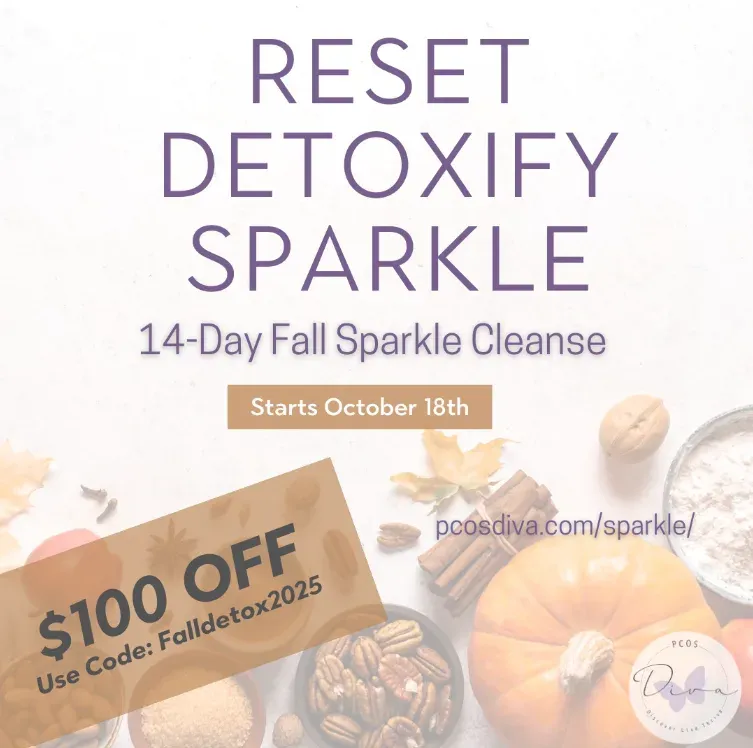
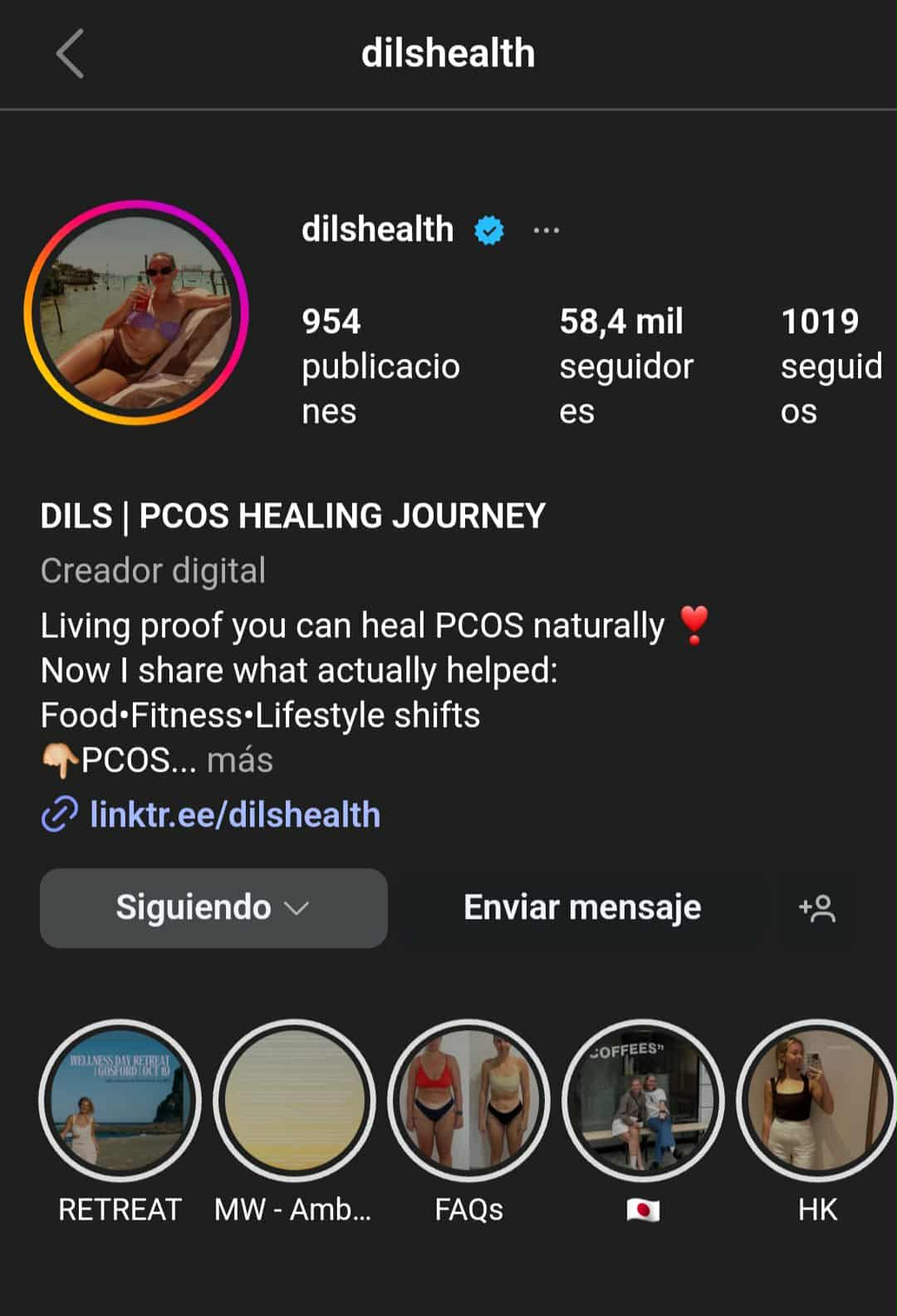
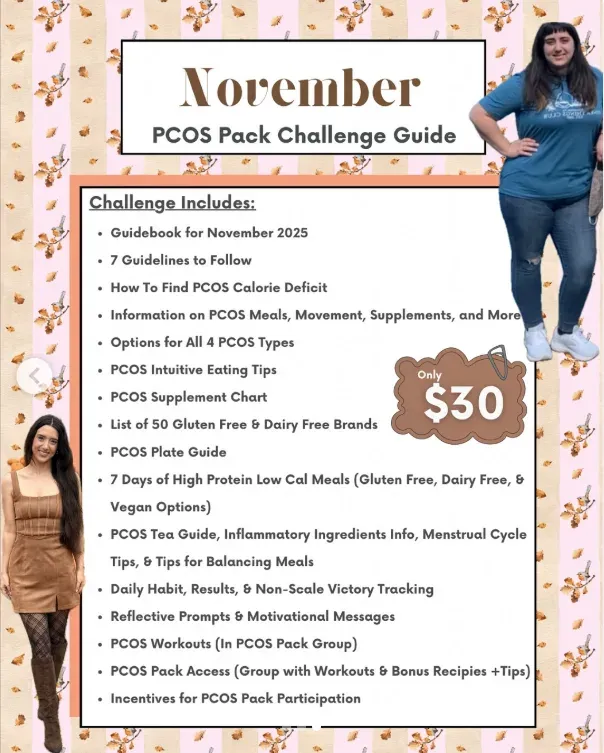
These influencers may have good intentions but their content can be misleading and misinformed, as PCOS is a chronic lifelong condition and cannot be healed.
Also Tay has found that, across her time as a health professional, there is not one diet or exercise plan for women with PCOS.
Healthy lifestyle changes are associated with improved conditions, but most of these Instagram PCOS plans are not evidence-based and repackaged fad diets.
In reality, weight-loss dieting is a difficult way to manage PCOS.
"There is a body physiological mechanism that is preventing you from losing weight in PCOS," Tay explains.
"It is not their fault … it's your body that's working against you."
These unregulated diet plans take advantage of women already vulnerable to eating disorders.
Influencers also peddle supplements that can ‘cure’ PCOS.
Some natural remedies have been shown to have positive effects, such as Vitamin D, Tay said.
However, these influencer supplements are unregulated.
"They can say whatever they want to say in regards to the benefits, in regards to what it contains, and you can't actually tell what is in these products," she said.
It’s a roll of the dice whether these supplements are genuine or a snake-oil scam.
Orr said she did buy supplements from PCOS influencers, "thinking, oh, yeah, this is gonna help: it's going to cure my PCOS".
"It's upsetting for someone to take advantage of that."
But there is an even more troubling PCOS pipeline.
Medical distrust among the community leaves room for conspiracy theorists to spread misinformation.
Some creators even advocate for zero medical intervention.
Barbara O’Neill is a well-known unregistered medical practitioner and anti-vaxxer.
O'Neill's conspiracy propaganda has been deemed so harmful that the NSW Government released a public warning about her "dubious and dangerous health claims".
Under the PCOS hashtag, she has multiple videos circulating online on her ‘cures’ for PCOS.
Orr believes a lot of PCOS sufferers who have been neglected by doctors have lost faith in the medical system.
"I've had family and friends that are the same, that they don't want to have any medication or treatments by the doctors and they’d rather do their own research," she said.
Misinformation is nothing new. But these isolated women have not been able to build trust with their doctors to access reliable information.
It is easy to see how they get pulled into these scams and conspiracies.
Hope for PCOS sufferers
Julia McKernan, 26, has a very different story. She spoke with scalpel precision of the many arduous years it took to receive a full diagnosis of gallbladder issues, endometriosis and PCOS.
After years of pain and confusion, she got the Mirena and went on Wegovy, a diabetes medication found to be effective for PCOS.
"Oh my god. It changed my life," McKernan said.
"It felt like it took me back to base."
McKernan said she felt the experience was largely affected by her GP.
"I have a GP that was very understanding and did always hear me out … she would never make it feel like it was my fault."
The difference between McKernan and Orr’s experiences speaks to how PCOS sufferers have to fight to be heard and are forced to look to other sources when their GPs fail them.
"You just have to sort the wheat from the chaff yourself, and trust yourself enough to overcome the desperation of I’ll try anything," McKernan said.
But there is hope for PCOS sufferers.
The guideline from 2023, which Tay contributed to, advocates for big changes to PCOS medical approaches.
McKernan urged others to overcome the desperation of 'I’ll try anything'.
The guideline encourages more patient-doctor dialogue, shared decision-making and acceptance of treatment methods other than the pill.
The guideline also provides a free, open source of training for medical professionals.
"Awareness has definitely increased," Tay said.
"There is still a lot more that we need to do for PCOS."


