

How women shape horror

Horror is not a man’s world. From Mary Shelley’s Frankenstein to the first horror film, The Execution of Mary Stuart, women have carved an integral place since horror’s conception.
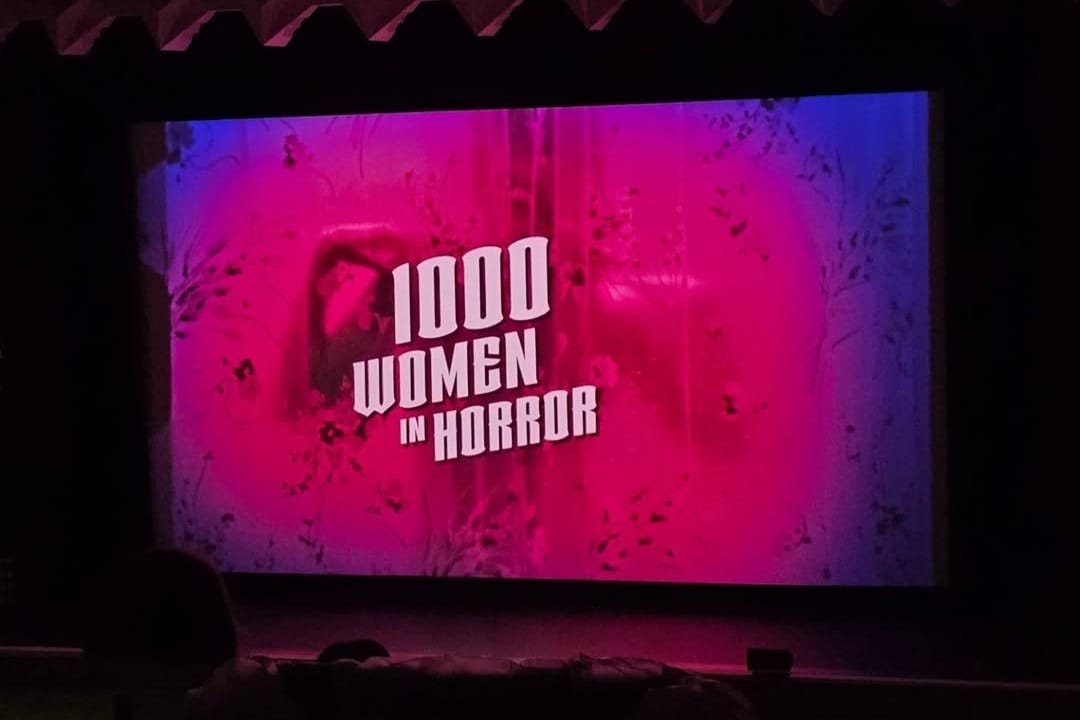
The documentary 1000 Women in Horror (2025) emphasises how extensive this involvement is.
Directed by Donna Davies and premiered at the Melbourne International Film Festival in August 2025, the documentary is now available on the horror streaming platform Shudder.
Based on film critic and academic Dr Alexandra Heller-Nicholas’s book of the same name, it explores how women shape horror both in narrative and creation.
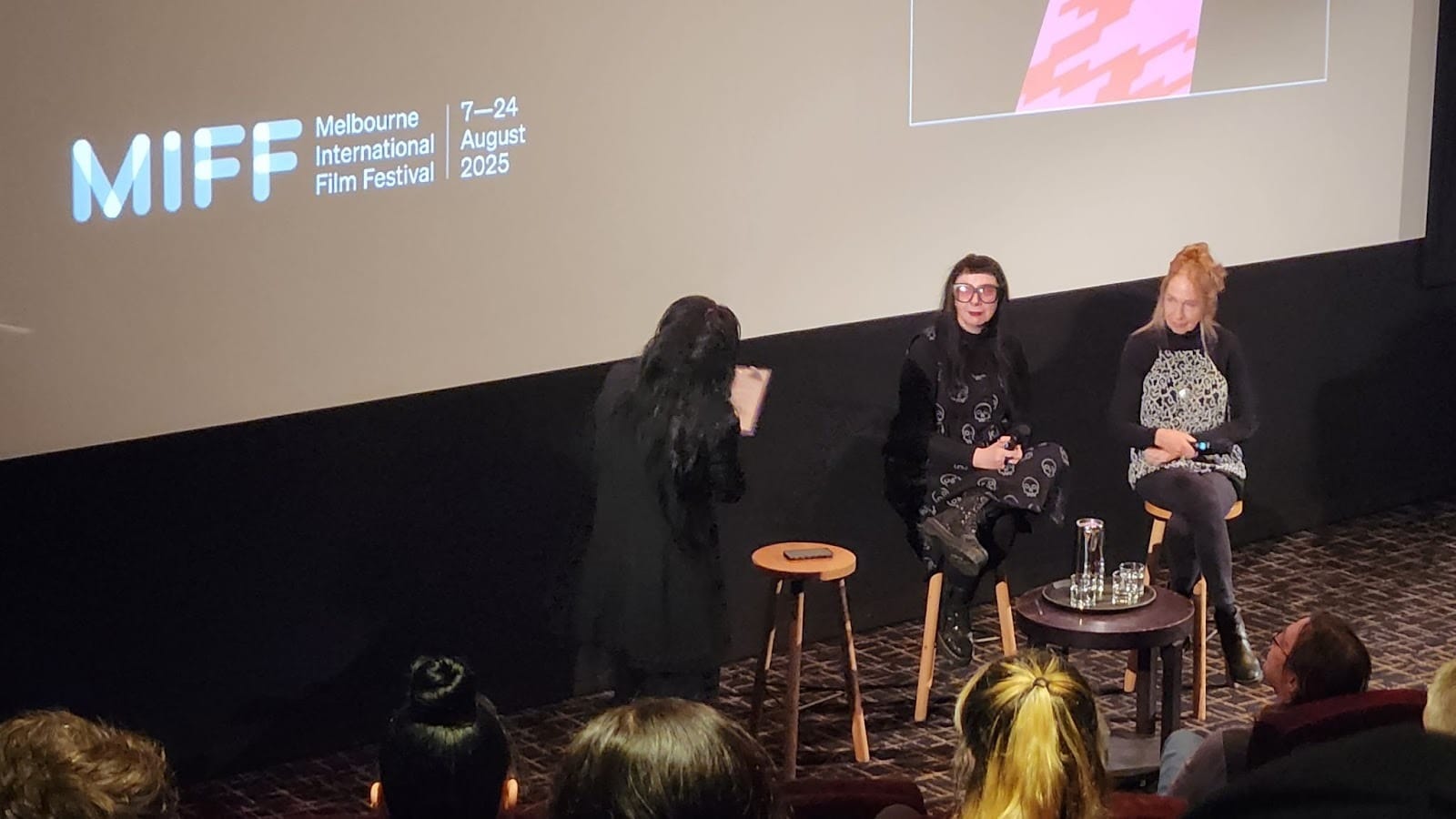
"Gender diversity, gender elasticity, gender fluidity was literally part of horror from its very earliest moment," Heller-Nicholas said at the MIFF panel, Hidden in Plain Sight: Women in Horror.
Women’s journey through life has become a regular subject of horror films.
But while women and gendered bodies have always been involved in horror, do the stories we tell ourselves today empower women or sentence them to victimhood?
Heller-Nicholas argues that, in reality, horror evens the playing field in violence and death.
"At the end of the day, we’re all just bags of meat. There’s a kind of crude democracy, I think, to horror," Heller-Nicolas said.
"We do have this idea that … horror is a spectacle of murdered women," she said.
"It’s actually relatively democratic. A lot of dudes get killed in horror, but we remember the women."
However, not all deaths are made equal. Film commentator Rachel Baker recently explored in a video analysis how the Saw franchise was slowly cheapened by its treatment of women.
Academic Ryan Lizardi argued in a 2010 article that reboots of horror films such as Last House on the Left (2009) made no effort to combat the misogynistic treatment of its women, but in fact elevated it.
These criticisms certainly hold their place in the film landscape, especially when sexualised violence seems reserved for women characters.
But it can also be argued that violence in horror has been co-opted by the misogynistic lens of modern media. Horror at its core explores gender, rather than just being a kill count competition.
"I think horror becomes really interesting if you look at it through the lens of this sort of spectrum of masculine and feminine rather than boys and girls as a kind of crude reductive binary," Heller-Nicholas said.
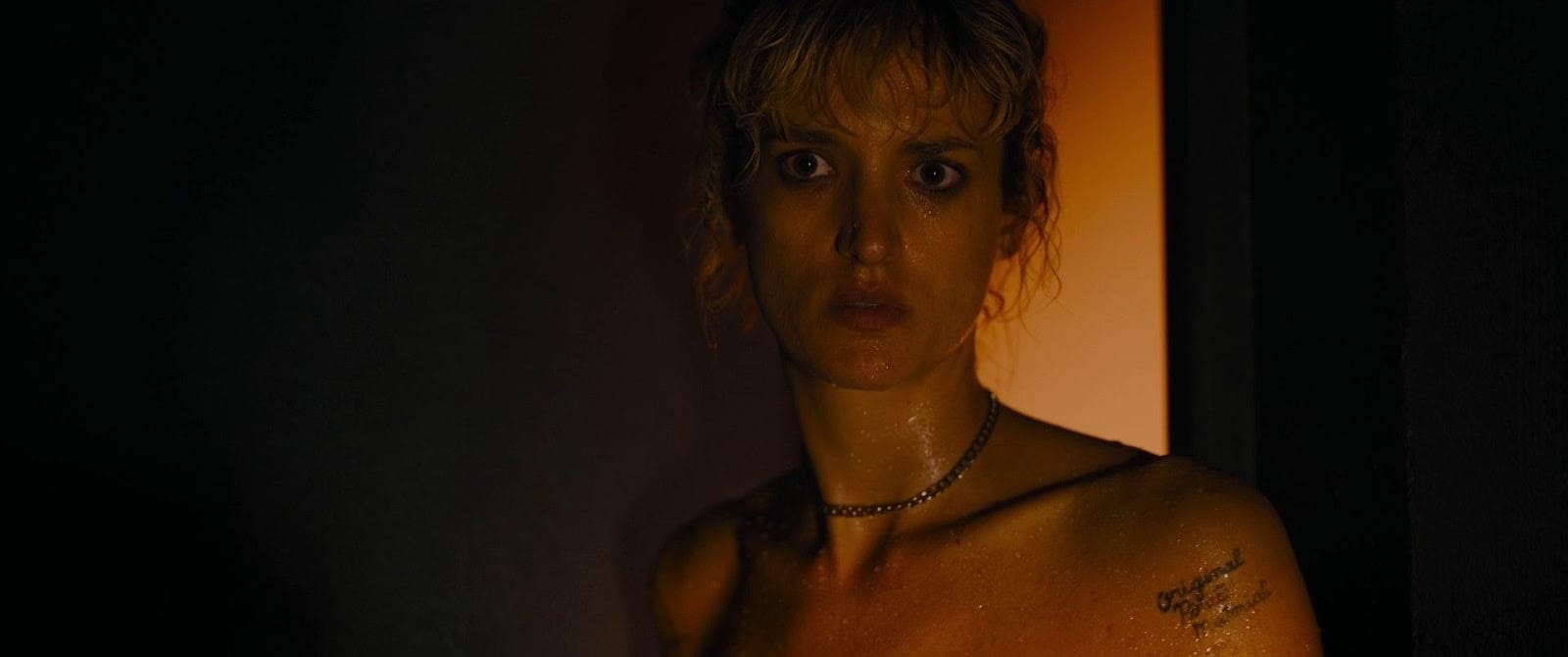
The documentary also discusses Titane (2021), a recent horror film that takes a bizarre angle at this complex gender exploration.
Film critic and programmer Cerise Howard, a co-panelist and interviewee in the documentary, emphasised how horror blurs the lines between genders rather than defines them.
"[Viewers] watch horror films and identify with protagonists or antagonists or perhaps oscillate between those poles," she explained.
"It’s a very queer experience to watch horror."
Even the concept of the 'final girl', an archetype in horror cinema of the last female survivor, reveals a more nuanced experience. Below the surface level of feminist empowerment, it also broadens the viewer’s own identity.
"If we assume that horror audiences are male, the fact that they love these films that are about girls actually kind of destroys the idea that women spectators can only identify with women characters and male spectators can only identify with male characters," Heller-Nicolas said.
"The final girl throws that out the window because male spectators are heavily identified with a teenage girl in crisis."
The documentary 1000 Women in Horror carries the audience through the life of a woman from early childhood to seniorhood, montaged with relevant explorations of the horrors of each stage of aging.
The documentary also interviews directorial and acting powerhouses from across the industry, bringing their insight on how women and horror are instinctively entwined.
The documentary is a confronting and entertaining watch, keeping a beat of intrigue and entertainment throughout.
A sequence where actress Kate Siegel un-wincingly relays the grotesque horrors of her caesarean birth only exemplifies the documentary’s thesis: women are not just familiar with horror, they live it everyday.
The documentary serves as a declaration of women’s place in horror films, both behind and in front of the camera: showing them exactly as they are.


