

Who gets to belong? The unequal politics of migration
An Australian exchange student in Denmark reflects on her experience as a foreigner in a different country.


I was welcomed to Denmark with open arms.
I am a white student from an English-speaking, Christian majority country.
Danes often insist it is rude to speak their own language around me.
I am encouraged to take advantage of free universal healthcare and work alongside locals.
However my experience stands in stark contrast with the political and social contexts, not only of Denmark but globally.
This begs the question of why am I welcomed so openly while others are rejected.
On September 6, the Danish Minister of Immigration, Kaare Dybvad Bek, took to Instagram with a shirtless video of himself, followed by a statement questioning who should and should not immigrate to Denmark.
“We need foreign colleagues in some industries where there are shortages of people,” Bek wrote.
“But we must also ask how many and who? Because it is not without consequences when people come here.
“Just as numbers matter … So does where people come from.”
Bek is a member of the Social Democrats party, which sits on the centre-left and has the largest share of seats in the governing coalition.
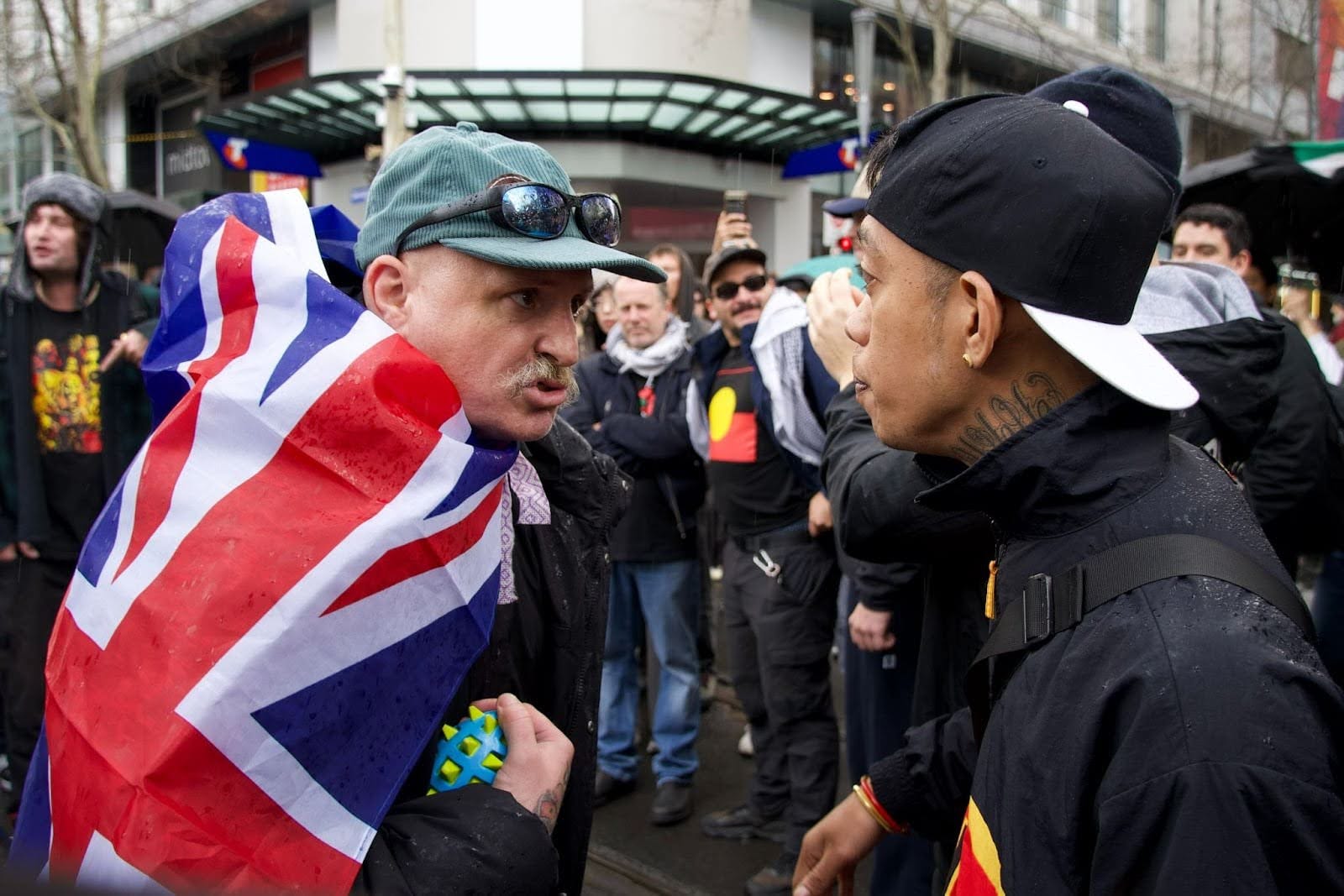
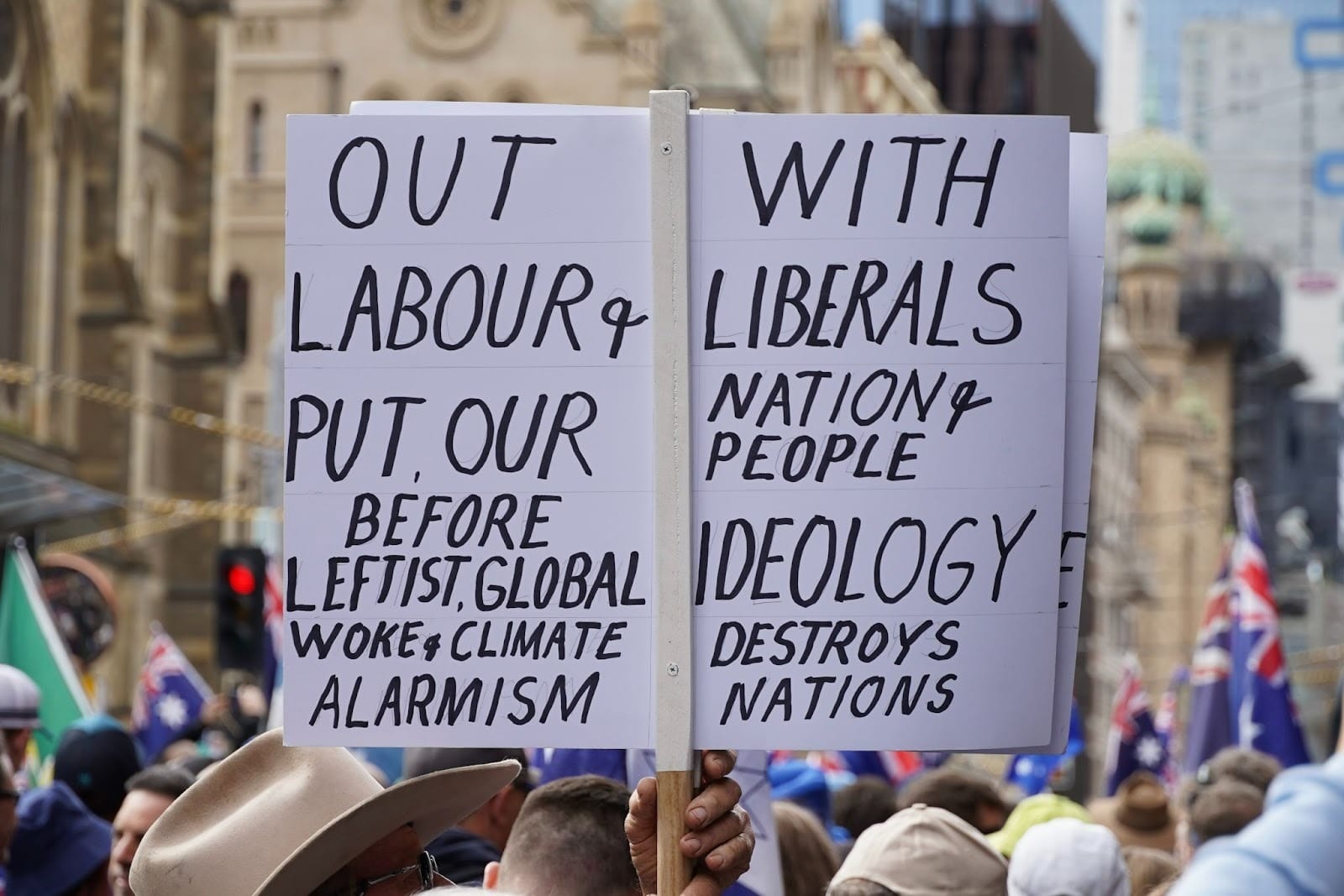
His post echoed familiar points made at the ‘March for Australia’ rallies: ‘mass-migration’ is placing undue pressure on infrastructure, stealing jobs from those entitled to them, and threatening social cohesion.
“This is not about being for or against foreign labor, but about our country also being able to stick together,” Bek said.
“Because when thousands of people come here the bill comes with [them].
“It’s not fair. And that is not sustainable. It’s that simple.”
These are two points I am seeing confounded globally. Our (whoever that is) housing and social infrastructure is under enough strain as it is, and people who are ‘different’ threaten social homogeneity.
These issues when brought up simultaneously seem to suggest, to me at least, that it is ‘Others’ who place strain on our pristine white communities, not the people who look like ‘Us’.
I am not from here.
I go to school and get paid for it.
I go to the dentist for free.
Yet I am not wasting precious state resources.
According to Statistics Denmark, the vast majority of its migration is by Nordic citizens, workers from the EU, and Ukrainians claiming asylum.
In the past year, more than three times as many Nordic and EU citizens have come to Denmark than from the top non-European countries like Turkey and Syria.
Yet the focus of immigration is shifting directly to where people come from rather than how many, according to Karina Kosiara-Pedersen, associate professor of political science at the University of Copenhagen.
“Among the population at large, it was very clear to see that the reception of the Ukrainian refugees was markedly more positive than the Syrians,” Kosiara-Pedersen said.
“The discussion is now turning to look into how different groups integrate, work, and contribute to Danish society.
“The Danish immigration and integration policies have moved to the right and are largely supported by the majority of parties.”
This is clear in Bek’s, who sits on the centre-left, post.
“Denmark shares more with the British than with people from Nepal, more with Germany than with Somalia,” Bek said.
“There is a difference, and we must dare to say it.”
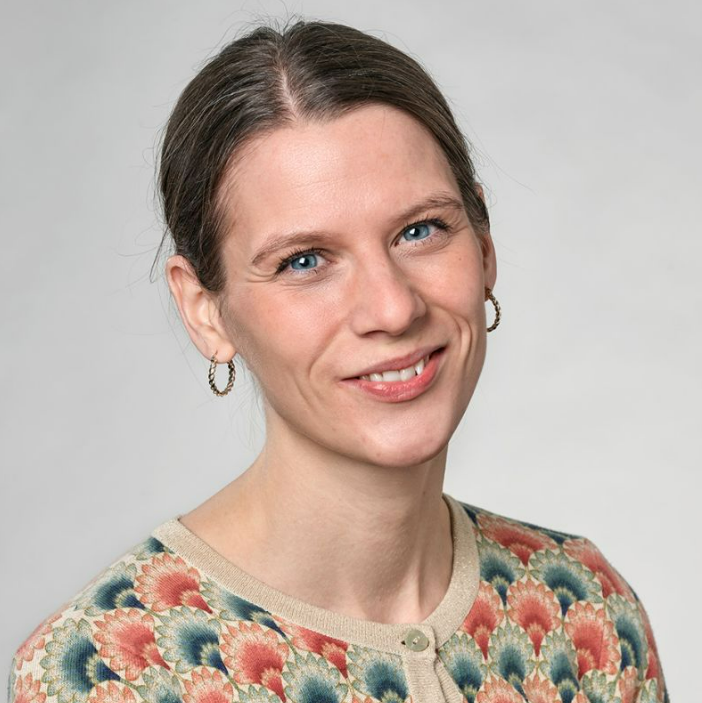
Maria Lindebæk Schmidt Lyngsøe, a researcher of contemporary Islam in Denmark at the University of Copenhagen, said the politicisation of immigrant minorities has become inescapable.
“I’ve made a point to try and detach research on Muslim life from the political discourse," Schmidt Lyngsøe said.
“For Muslim people alike, it's really impossible to escape it.
“As a Danish Muslim, you are always practicing your religion in a contested manner, your religious beliefs and practices will be questioned, and your democratic attitudes will also be questioned.”
She said this politicisation is fuelled by a narrow view of immigrant minorities and leads to a feeling that one's country is threatened by them.
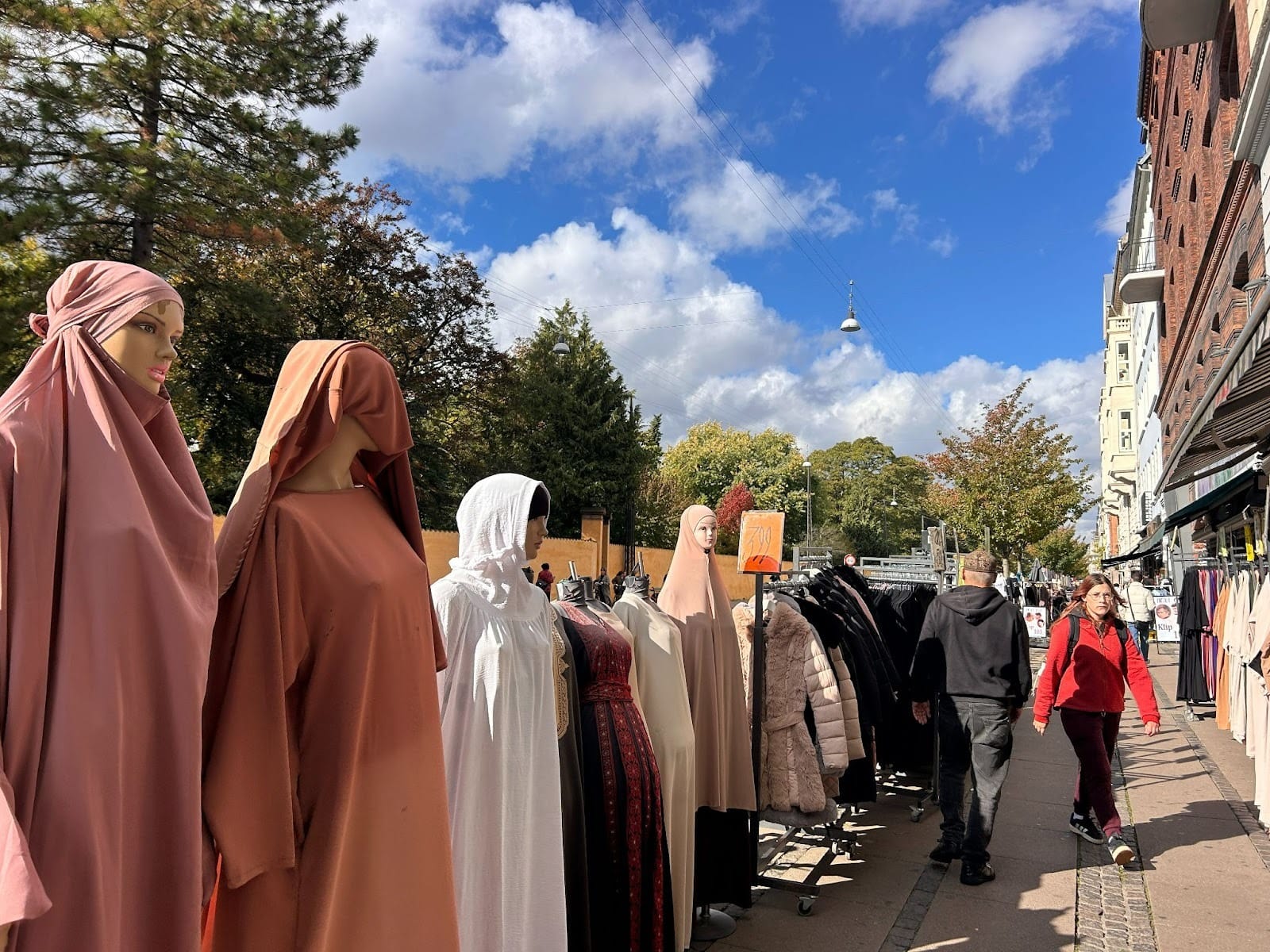
“The history of Denmark really has a strong idea about homogeneity,” Schmidt Lyngsøe said.
“This is what feels threatening, that you cannot have these people who are not like the rest because it will cause us to break.”
She said stereotypes and a lack of nuanced understanding of what it means to be a Muslim person, and other minority groups, reinforces this narrative.
“Practising as a Muslim is not, first and foremost, a political standpoint,” she said.
“But definitely there is this idea that, and it's being continuously fed and re-articulated, that Islam is that which is different from us.”
Ben Wellings, associate professor of international relations at Monash University, said many social and economic issues have become tangled in the current politics of migration.
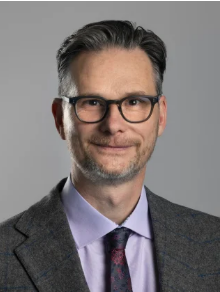
“Actors who have an interest in undermining either the current political system (the radical right) or democracy (the far right) have been very effective at linking migration with fears about peodophilia and sexual assault, and the breakdown of social and national cohesion,” Wellings said.
“Most developed economies experienced a rise in migration level post-pandemic, this was particularly notable in the UK where Brexit was supposed to bring about control over migration.
“However, the demands of the global economy have made that difficult, and migration has continued.”
Wellings said Bek and the protestors in England and Australia are scapegoating minority groups as the source of ‘weakening’ economies when it is the uneven economic policy at fault.
He said a way to shift these views is to address rising inequality.
“This requires a serious rethink of the economy we currently have, which generates increasing inequality: the wellspring of resentment that can be channelled into anti-immigrant sentiment,” Wellings said.
“Devising a politics that addresses the concerns of the worst off in society rather than increasing wealth at the top, which links back to the [concerns] about the economy.”
He said it is also important to divert money into services that immediately and tangibly improve lives, while also emphasising the social value of diverse societies beyond the economic benefit.
Schmidt Lyngsøe said without an understanding of how people from other places are similar and how their differences are often apolitical, people from minority groups continue to be excluded and discriminated against.
“It is important to [depoliticise ‘Others’] if we are to paint the right picture,” she said.
“We will only see so much if we ask the questions that relate to integration or extremism or radicalisation or women's empowerment.”
“We need simply to have a broader perspective and see what is really out there.”
As someone who has been given access without question, I cannot ignore that my welcome is shaped not by what I contribute, but by the privilege of looking like those already inside.
My own experience stands as a reminder that it is not migration itself that unsettles societies, but rather the selective way in which we decide whose presence is acceptable.


