


Hidden costs of campus parking
The rising costs for university students to get to campus are ongoing.

Monash University recently announced free parking on campus each Monday until the end of June to help students with cost-of-living pressures. But the rising costs for students to get to campus are ongoing.
The announcement comes weeks after the university imposed parking rate hikes, where student parking rates increased 10 to 20 cents per hour.
Monash Student Association president Leroy van Schellebeck said many students have raised concerns about the increased cost of parking on campus alongside the rising cost of petrol.

“For students, I think the fees do really start to take a hit, especially if you get stuck not being able to find a park in red or blue zones and get stuck in visitor parking, that can be very expensive,” van Schellebeck said.
Red and blue zones, reserved for students, offer the cheapest parking on campus.
Students circling Monash’s car parks for 30 minutes trying to find a parking spot have taken to social media to vent about the shortfalls in parking across the university’s campuses.
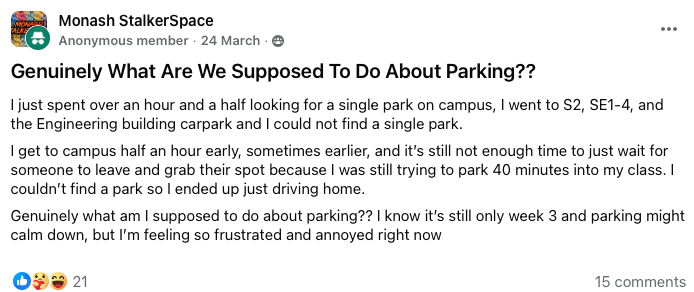
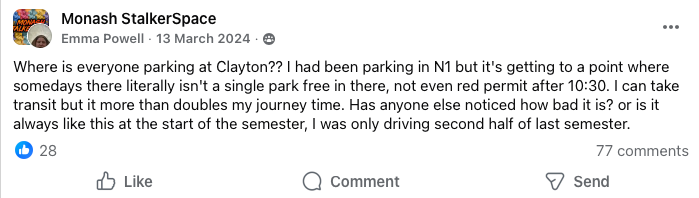

Many students are forced to pay visitor rates of up to $21.30 a day when student parking is full.
Van Schellebeck said Monash has not increased its parking capacity to accommodate significantly higher student enrolments, possibly leading to parking shortages.
“I believe that the university has a responsibility to invest in more car park space if they're going to continue to increase enrolments,” he said.
For the second year in a row domestic enrolments in Monash have increased by 10 per cent, according to its annual report, with 9,000 more students enrolled in 2025 compared with 2024.
“The way the university views the car parking problem is [that] it's an issue of demand and it's an issue of managing demand,” van Schellebeck said.
“The university has been very unwilling to make parking free on days like Tuesday, Wednesday or Thursday because they think it is going to see a surge of demand.”
He said Monash has defended the fee hike by a concept in which free or reduced-price parking encourages more students to drive, leading to higher congestion and emissions.
Monash said in a statement on its website that reducing reliance on cars would allow it to “reduce fuel consumption and greenhouse emissions, and reduce parking congestion on campus".
In its statement the university encouraged students to use public transport and carpooling during peak periods.
Student safety concerns on public transport
Van Schellebeck also said many students worried about the safety of public transport.
"With the increased tensions that we're seeing at the moment, students need to feel safe when they're travelling to university,” van Schellebeck said.
The MSA has been working with stakeholders to prevent and respond to harassment and intimidation on public transport.
More bus services and campus security officers have been added to help keep students safe.
Professor Nicole Kalms, director of Monash University’s XYX Lab, has undertaken research with younger women and gender diverse people into safety on Victorian public transport.
Professor Kalms said her research found many women experienced inappropriate touching and sexual harassment on public transport, particularly where vehicles were overcrowded.
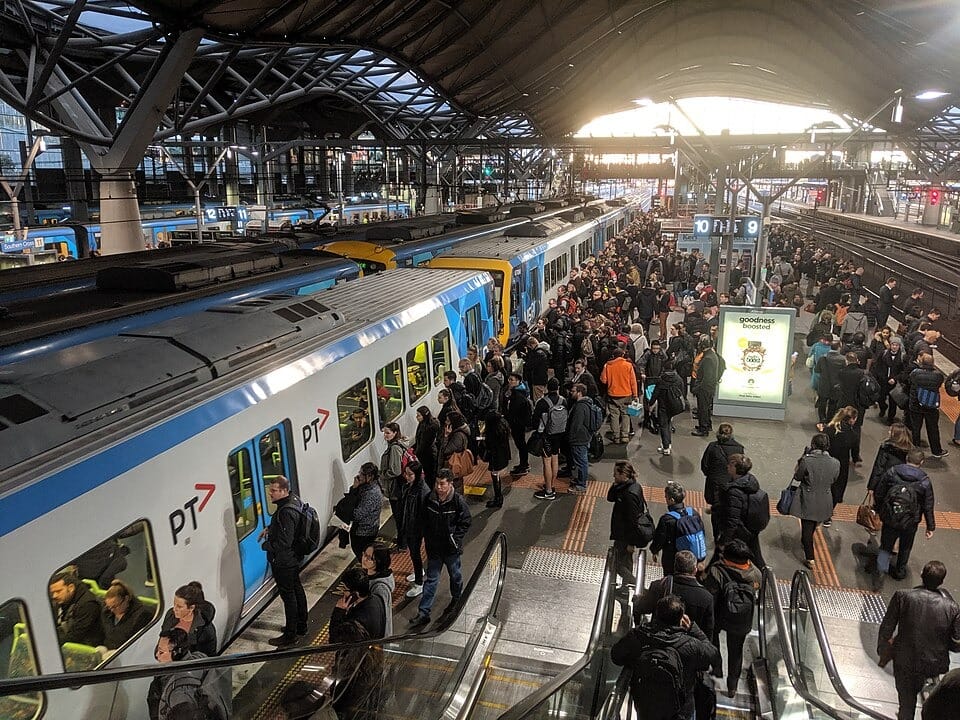
She said isolated bus stops and train stations also made women feel unsafe.
Research suggests nine in ten Australian women have experienced sexual harassment in public places at least once in their lives.
“Public transport spaces are places where a lot of sexual harassment and assault occurs, so they are often managing the fear of that or actual incidents of sexual harassment,” Professor Kalms said.
She also said such experiences often drive young women to buy a car to avoid these risks, but the costs of fuel, the car itself, registration and parking fees are not always affordable.
This can have significant consequences for education and work, as a lack of affordable transport constrains some women’s ability to pursue evening classes or employment.
“Young women and people that can have access to a car might have more employment, more opportunities at university and more flexibility to live their lives,” Professor Kalms said.
Many other young people depend on public transport and are navigating an unsafe and inadequate transport system in terms of frequency and reliability, while student safety issues on public transport remain of serious concern.
However it is also in spaces such as car parks that women and gender diverse people feel really unsafe, Professor Kalms said.
“Some of the actual designs of these spaces are really problematic.”
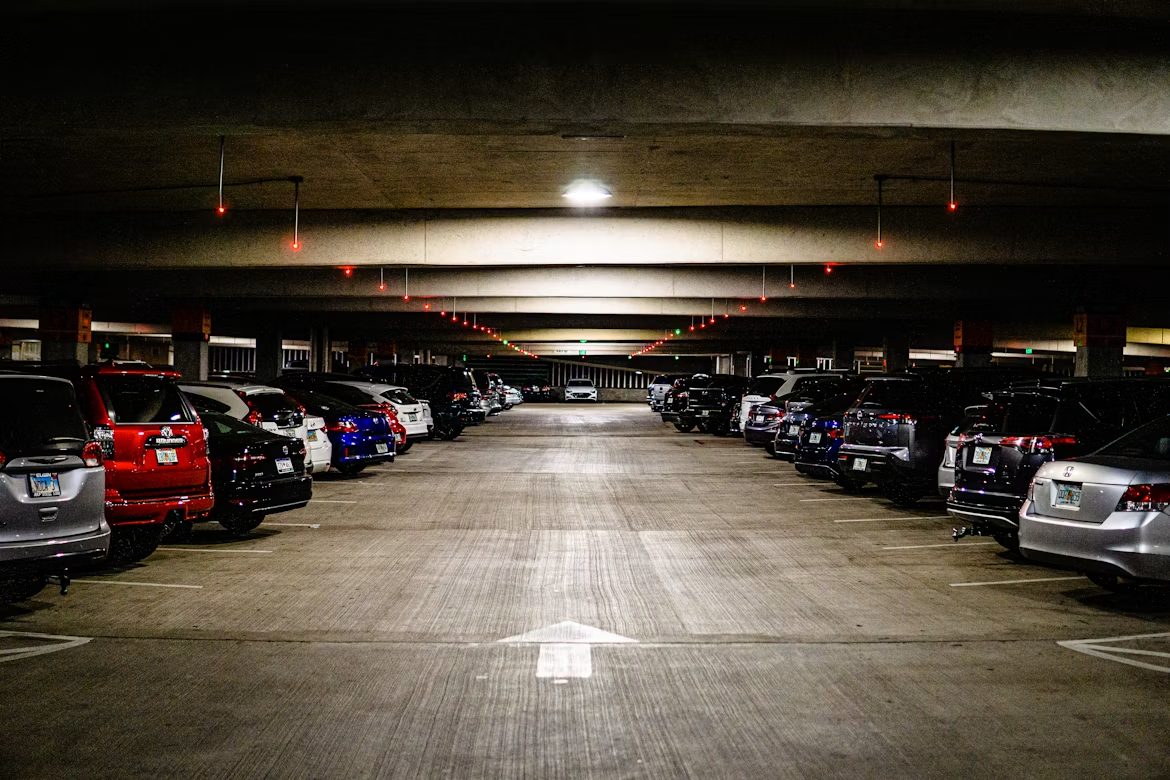
Multi-carpark designs that allow for visibility, multiple entrances and egresses on each storey would help people feel safer, Professor Kalms said.
Gaps in public transport
With Monash nominating increased public transport use as a way to manage the parking demand, students say Victoria’s transport network needs to be improved.
Meanwhile, new research shows free public transport in Victoria and higher fuel costs have led to more people using public transport.
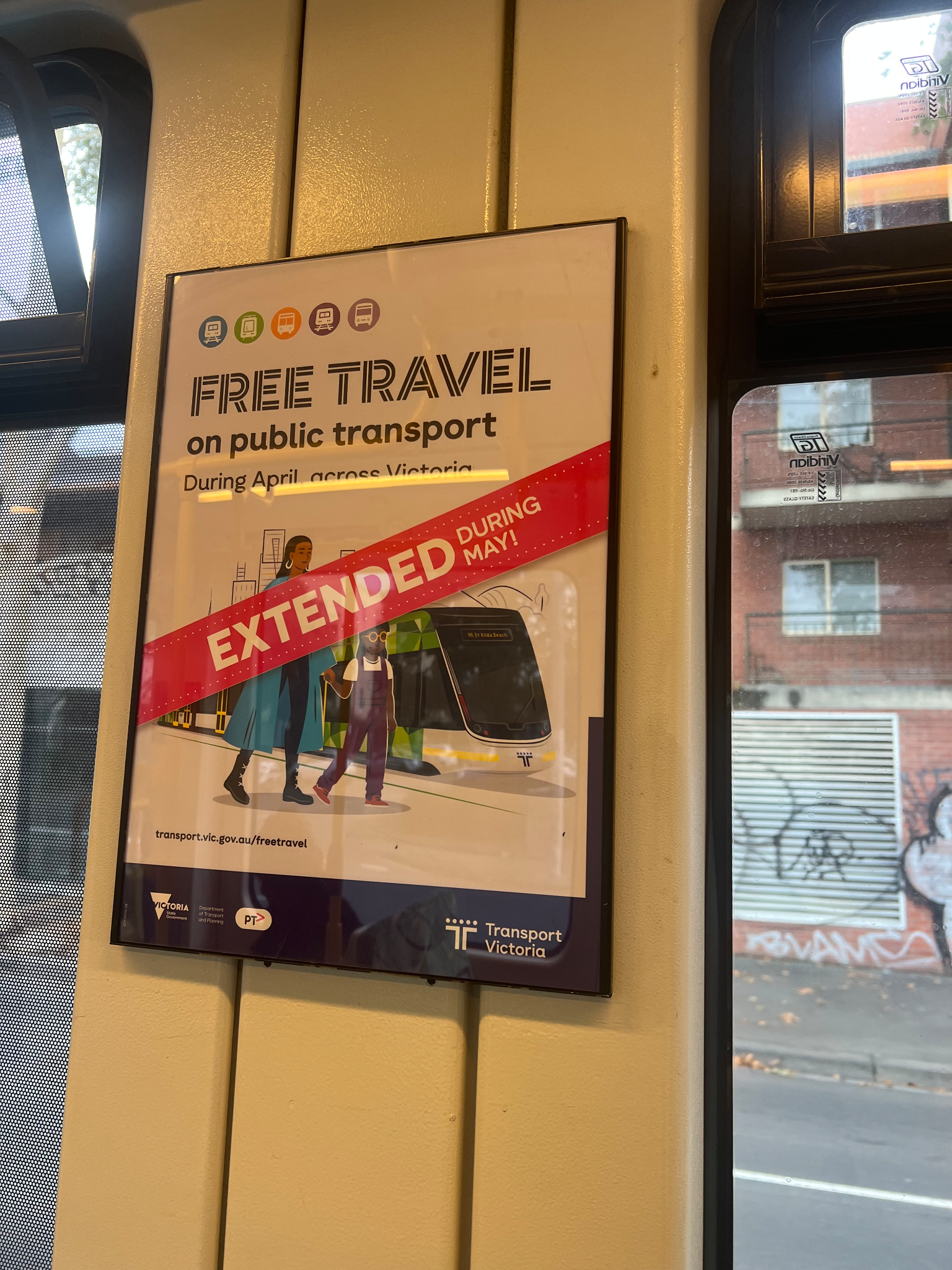
RMIT University professor of urban policy Jago Dodson acknowledged many factors influencing people’s decisions on travel, especially with the convenience of cars.
“There are a relatively small number of areas where public transport does provide a go-anywhere, anytime service,” Professor Dodson said.
Fare-free travel does not necessarily lead to accessibility due to factors such as service reliability, coverage and travel time. Cost is just one factor when deciding how to travel, he said.
“It's really the quality of the public transport network that is essential.”
Walking and cycling paths connected to the public transport network are important for accessing public transport, particularly for those living far from transport services, Professor Dodson said.
Pedestrian and cycle routes in newer suburbs are part of a 30-year plan to improve transport infrastructure for Melbourne’s growing population.
Many local street networks are still unsafe and inconvenient for pedestrians and cyclists.
“It's just not feasible to switch from car to public transport, even if the cost might be much lower or free,” he said. “Monash has always been a very car-dependent campus.”
Van Schellebeck said class schedules and poor bus and train connections to Monash campuses mean many students do not have a good way to access Monash.
With no train station or tram network at Monash Clayton, students must rely on buses, which van Schellebeck said were insufficient compared to demand.
Bus services to Monash connect to train stations on just two train lines: Cranbourne/Pakenham and Glen Waverley.
This means students commuting from poorly connected suburbs do not have effective public transport to Monash, van Schellebeck said.
Students within a 40-minute drive from Monash could spend up to two to three hours on public transport because “services are so inadequate if you’re coming from anywhere between lines”, he said.
“Parking is this one big messy issue that has plagued Monash because of the location of the university.”
What can be done?
Professor Dodson pointed to improvements on the horizon such as a long-awaited Monash University train station on the Suburban Rail Loop expected to open in the next decade.
Other projects are not so certain.
The concept of a new train line between Huntingdale Station and Rowville dates back to 1969.
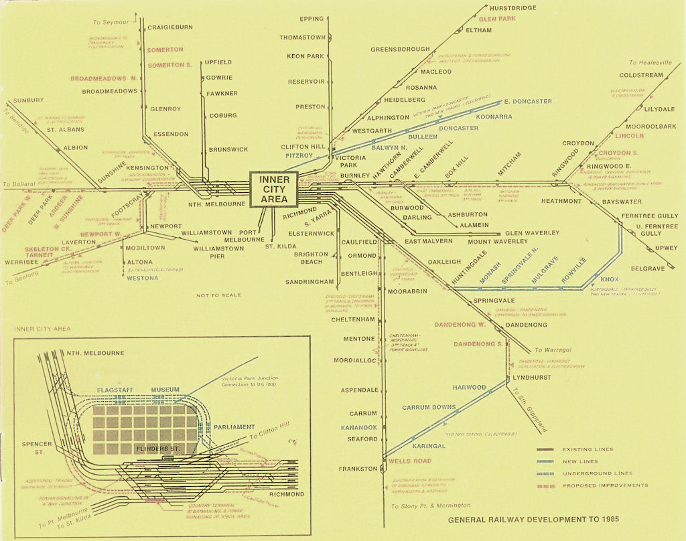
Professor Dodson said the proposed train line would reduce car dependency to Monash.
“Now it would be a good moment to reconsider that rail line extension,” he said.
The Victorian Department of Transport’s 2021 Bus Plan recommended Melbourne’s bus routes move to a grid network rather than winding through suburban streets.
Buses would also run at 10-minute frequencies.
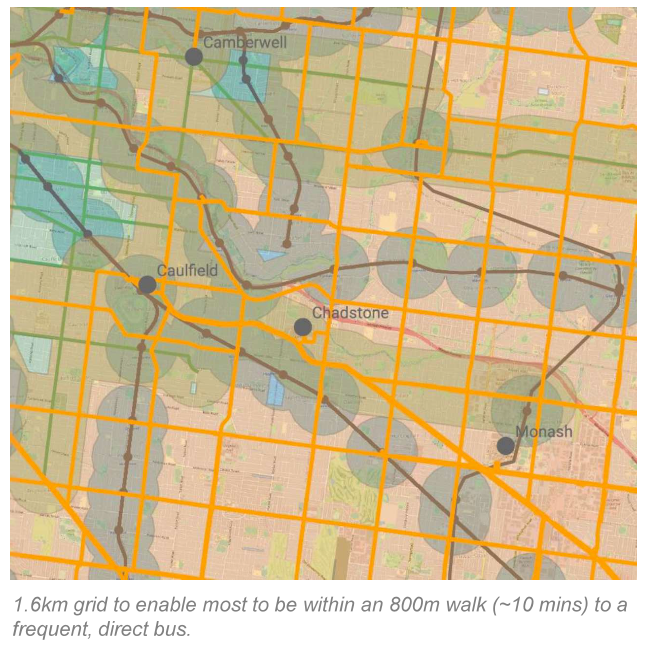
Professor Dodson said the Bus Plan, as initially proposed, could improve access to Monash by directly linking outer suburbs with train stations.
“That opportunity is there for the government to pick up. It's done all the work – it just needs to implement its plan,” he said.
The plans to reform Victoria’s bus network have still not been implemented.
Monash’s Buildings and Property Division was contacted by MOJO News about the new parking fees but declined an interview.


