


Talking journalism with the Constructive Institute at Monash
Constructive Institute Fellows from across Scandinavian news outlets visited Monash

Free access to news would help establish better news habits among young people.
That was just one idea on the table, when Constructive Institute (CI) fellows from across Scandinavian news outlets visited Monash University's Caulfield Campus to discuss their projects in May.
During the visit, organised by the Constructive Institute Asia Pacific Hub (CIAPH), Monash journalism and media students sat down with the 2025-26 fellows to learn more about their projects.
The CI, with its headquarters in Aarhus in Denmark, is on a mission to change the global news landscape.
Founded in 2017 by Ulrik Haagerup, an investigative journalist in Denmark, its vision for the future of newsrooms globally is for journalism to support democracy, bridge gaps in society instead of polarise, and produce news that is solutions-focused.
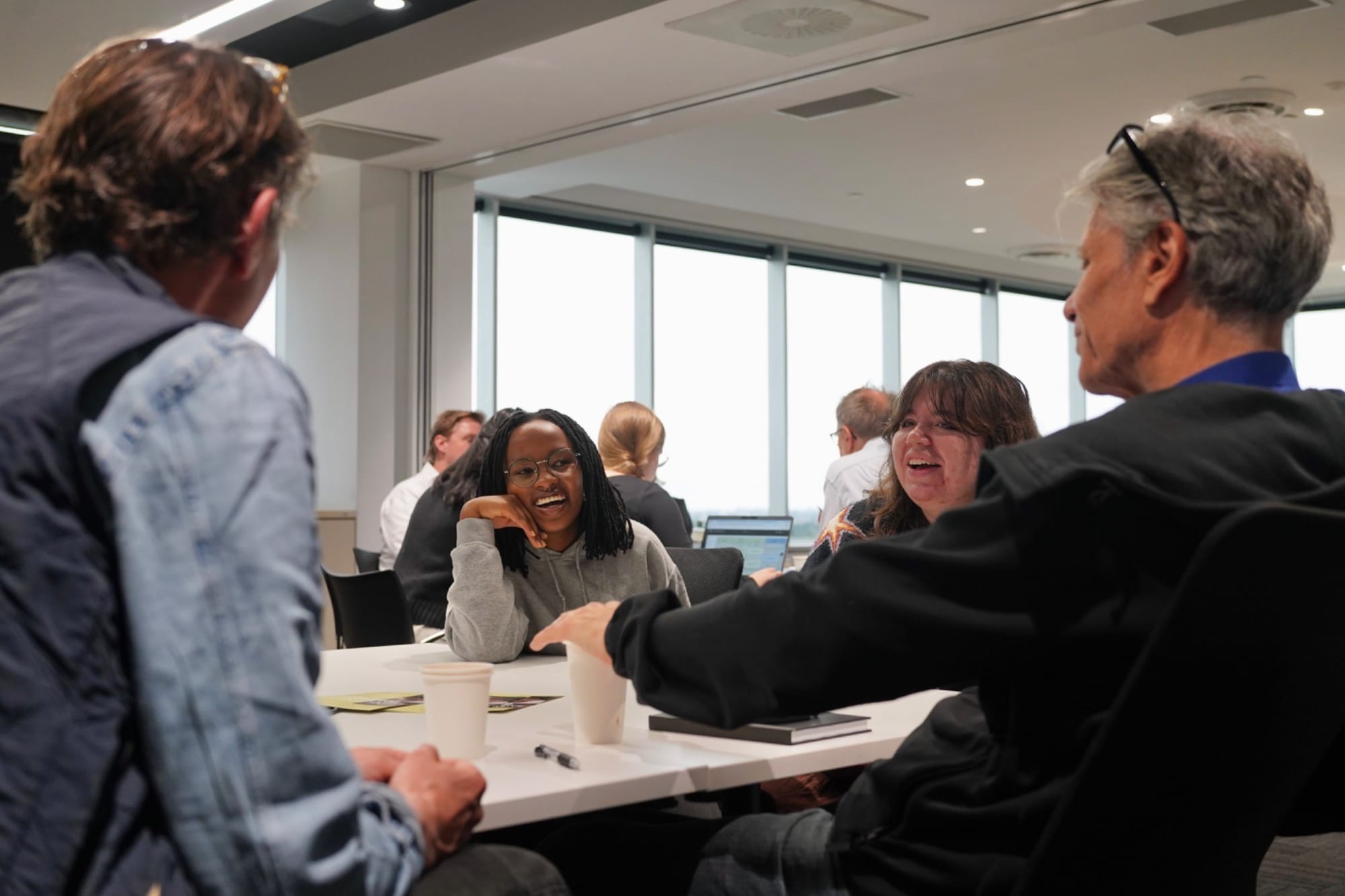
There was a breadth of ideas shared by the fellows.
Peter Kryger, a journalist at TV2 Øst, shared his project on the importance of reporting on rural regions and local communities. He has been studying how the countryside can modernise and improve its livability.
One team of CI fellows has been analysing how artificial intelligence is reported on. The team includes Trine Marie Vestergaard, a financial journalist at Dagbladet Børsen, Tobias Tange Jepsen, business editor at Herning Folkebad, Andreas Leer Scharnberg, an associate professor at the Danish School of Media and Journalism, and Knud Lind, the host of the Danish national current affairs radio show Formiddag på 4’eren.
The project has been collating data on what aspects of AI the news most frequently covered and if small-to-medium businesses were employing AI tools in their practices.
Attendee and Monash journalism student Kiara Dunbar said constructive journalism introduces the mindset to “not only talk about the problem but also the solution”.
“Constructive journalism is not a checklist that you automatically apply to your work. It’s more of a mindset, or you could say a career lifestyle,” she said.
The discussion between fellows and students also revealed generational differences in journalistic thinking, especially on the topic of cultural commentary.
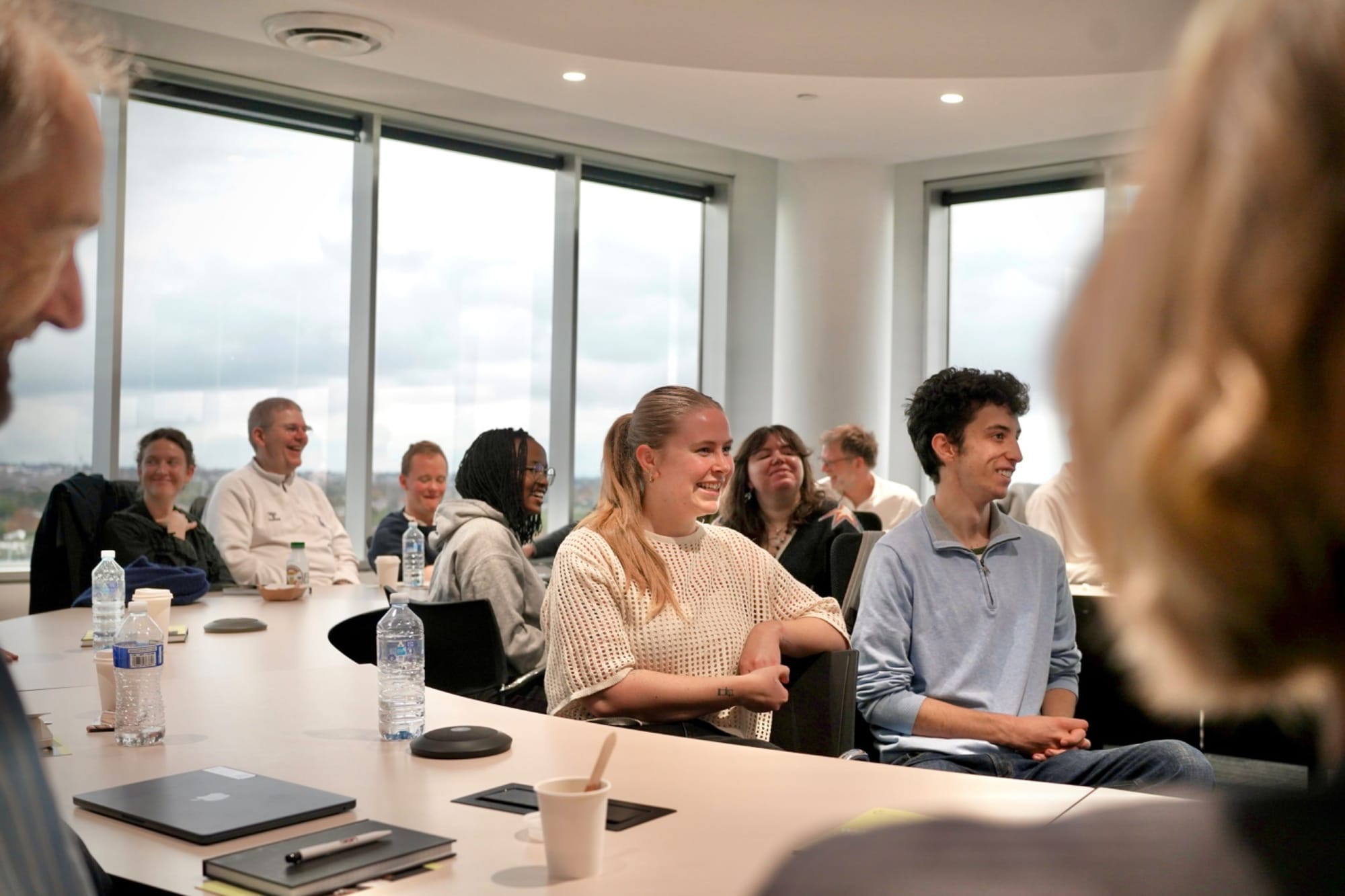
Dunbar found the question of why cultural journalism is dying out or struggling interesting because “now we are flooded with opinion”.
A 2026 Australian Communications and Media Authority report found the two primary platforms through which Australian adults access news are free-to-air TV (51 per cent) and social media (43 per cent).
In the workshop, Dunbar was also curious about the fellows’ projects examining how journalism engages with the local and rural regions.
“Denmark is a much smaller country, and the people who often live there, live in those local areas or at least familiar with them. Whereas in Australia, we are much more spread out.”
Dunbar said that being more aware of the solutions and the grassroots is possible “if you are more connected to those communities”.
From Denmark to Australia
The Constructive Institute also investigates levels of distrust of the media.
The same 2026 ACMA report found a third (32 per cent) of Australians do not trust the news.
The report also found younger Australians to be more likely to trust the news than older Australians.
The Danish fellows' visit came just weeks after the Constructive Institute Asia Pacific Hub (CIAPH) launched its own inaugural fellowship program this year.
The CIAPH is based at Monash University and led by former ABC news director and now Professor (Practice) Kate Torney.
Another attendee and Monash journalism student Toby McGee found the comparison between the fellows' experience and “the knowledge that we’re taught here at Monash was a really nice contrast”.
He also said that as graduate reporters they would be going into the industry already with constructive journalism in mind.
In theory and in practice?
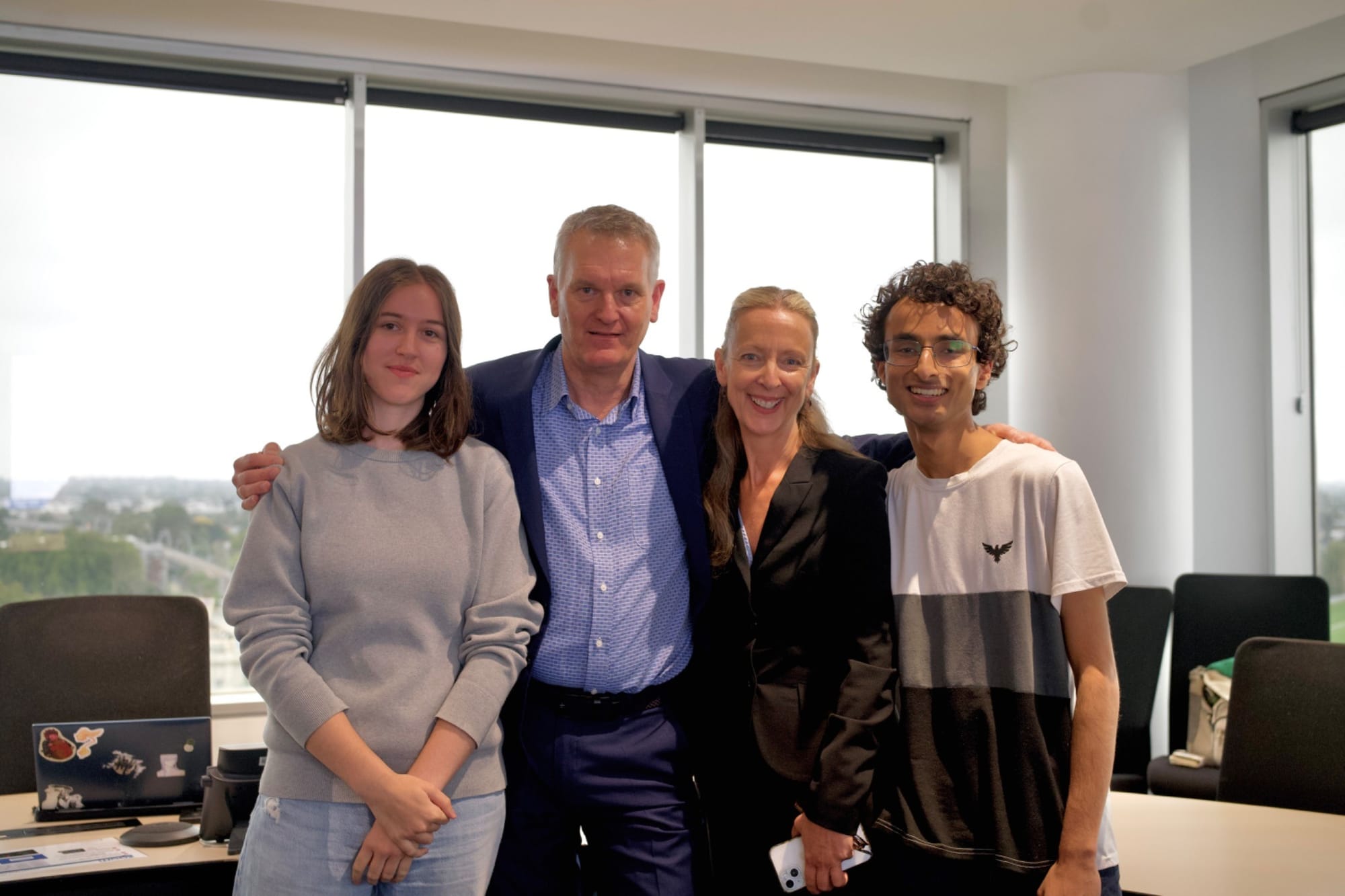
Another attendee of the event and journalism and politics student, Rahul Deepak Kumar, said he would like to learn more about what is being done to actively implement constructive journalism today.
“Good to see the new way of doing journalism isn’t just a theory but actually being practiced in newsrooms,” he said.
The Institute’s vision is materialising, however internal change in longstanding and heritage outlets can take time.
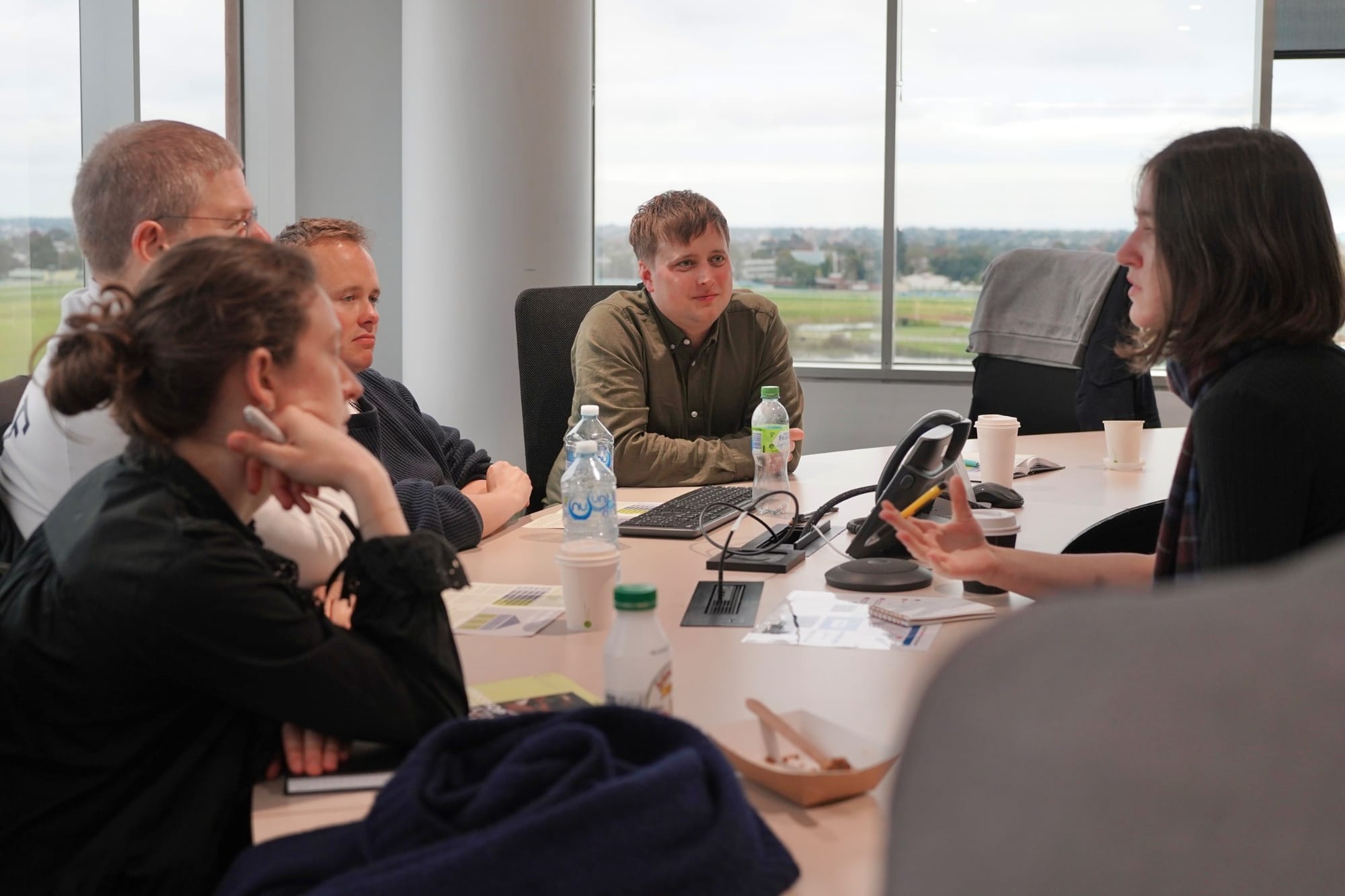
How newsrooms are integrating constructive journalism practices was a key part of Fellow Thomas Lee’s research project.
In the discussion, he spoke about the responsibility journalists have in traditional newsrooms in applying constructive ideals such as including solutions and covering the nuances in issues.
Lee also raised an insightful point, that as the industry evolves, so does the way journalists think of their own identity.
The role the media plays in society is a continued debate, and the conversations sparked at this Constructive Institute workshop are not over.
It will be up to the next generation of reporters and the next generation of Fellows to keep the discussion alive.


