


Generative AI entering Tropfest sees filmmakers divided
An AI-generated film at Sydney’s 2026 Tropfest festival has sparked debate.

The screening of an AI-generated film at Sydney’s Tropfest festival is prompting discussion among filmmakers about the growing use of artificial intelligence in cinema, and what it means for aspiring filmmakers.
SYD CONFIDENTIAL, a noir comedy animation and entirely AI-generated film produced by Clinton J. Isle, was among the 16 finalists selected from over 700 submissions to the festival.
Since airing, the film has been widely criticised by filmmakers and the public via the short film festival’s YouTube channel – with many sharing that they thought it was an insult to the creators whose films didn’t make the cut this year, suggesting their human efforts were replaced by that of AI.

Tropfest organisers have since responded to the backlash via YouTube, stating Isle did adhere to the festival’s current policy on AI use.
According to Tropfest guidelines, filmmakers can utilise AI technology to assist them throughout their filmmaking process but their policy on AI-generated content states creators should allow AI to “support, not replace, human authorship".
Tropfest’s policies, however, do not explicitly state or provide examples on how to utilise AI within the context of filmmaking, essentially leaving it up to creators to decide how far they go with using generative AI to assist them in their work.
The globally renowned event returned after a six-year hiatus to Centennial Park in Sydney on February 22, where over 35,000 people gathered in attendance. Now the largest short film festival in the world, Tropfest is a place for filmmakers to share their work with large audiences and, in some cases, kickstart their careers.
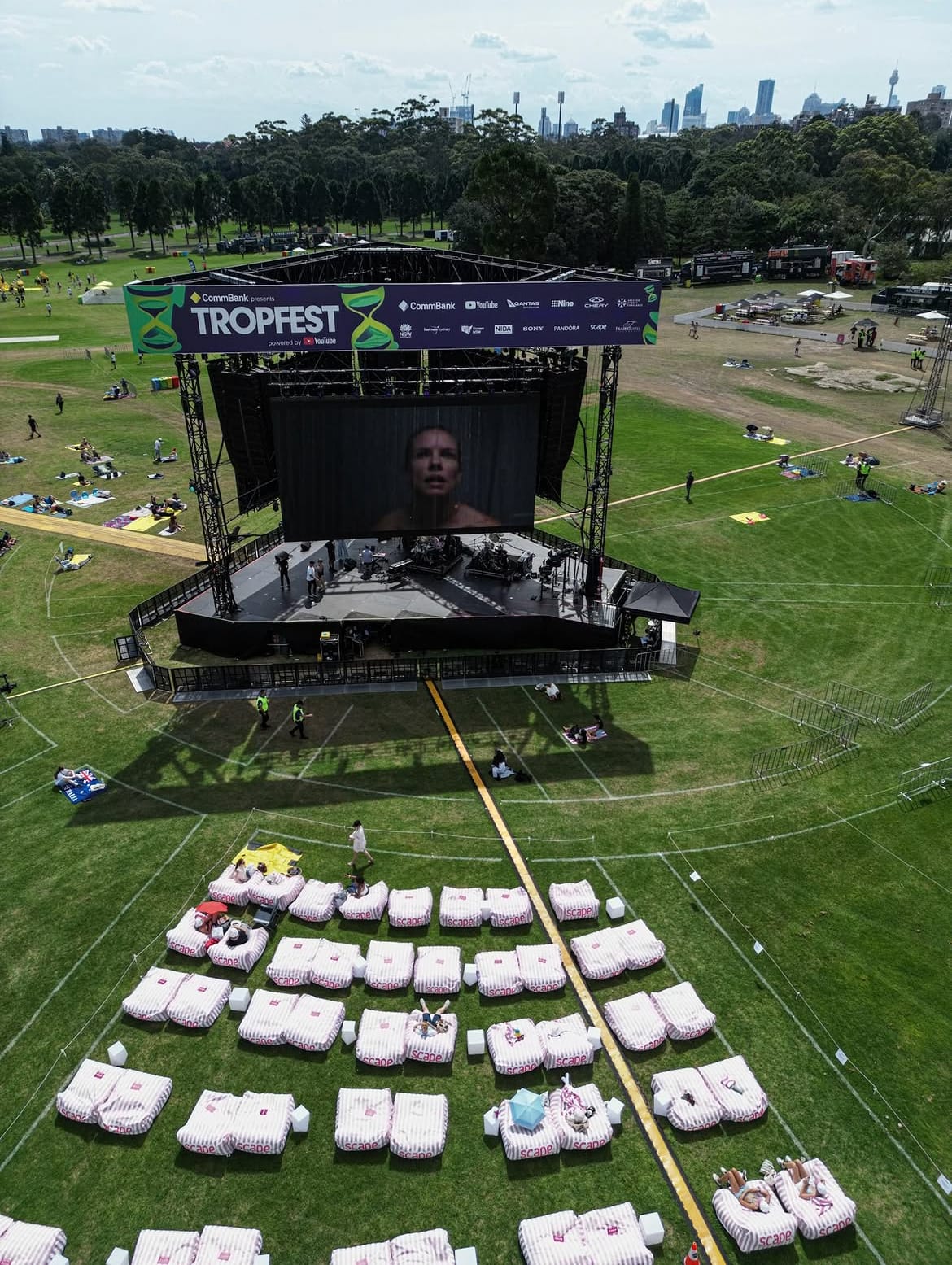
Following SYD CONFIDENTIAL’s inclusion at this year’s festival, filmmakers on YouTube are calling upon organisers to rethink their AI policies for future festivals. Some are suggesting AI generated films be placed under their own category, separate to animation films.
But what do filmmakers believe should specifically be included in Tropfest’s policies regarding generative AI use for future festivals?
Film producer and Tropfest 2026 finalist Clare Sladden would like to see AI-generated films excluded from the festival entirely.
“The backlash from the inclusion of an AI-generated film this year clearly demonstrates that there is dissent and opposition within not just the filmmaking community but the community at large,” Sladden wrote in a statement.
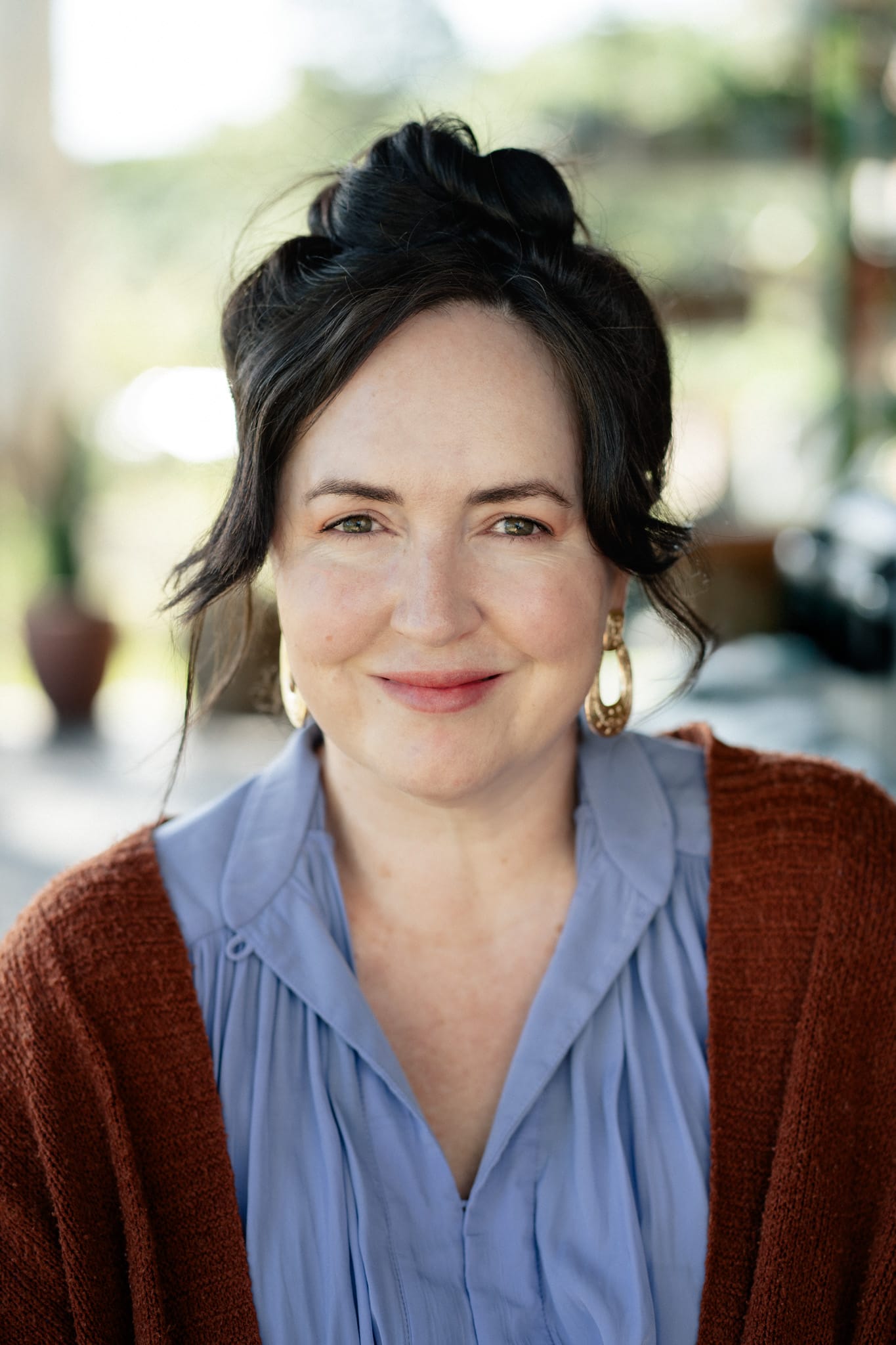
For Sladden, the answer of how to approach generative AI for future Tropfest filmmakers is less about figuring out policy and more about taking a stance on rejecting the use of the technology.
“I believe that to maintain its reputation as an industry beacon for taste, authorship and exciting new voices, Tropfest’s future should be exclusively human-facing,” Sladden said.
Stephen Packer, also a film producer and Tropfest 2026 finalist, said that filmmakers are having to figure out where the line should be drawn using AI, like others working within creative fields.
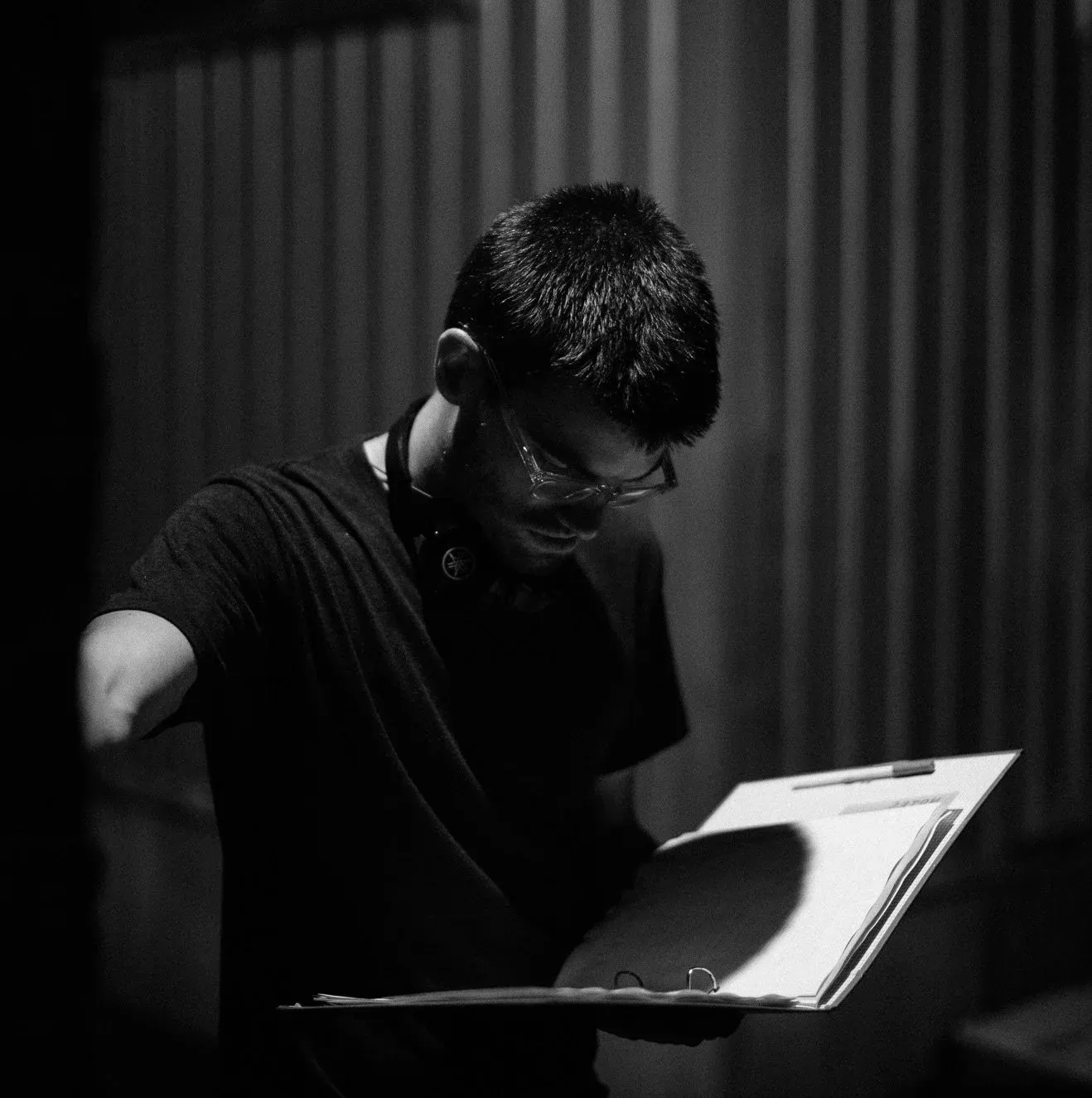
“If you use AI to help you write your film, but then didn’t use it in any other way, then it's not gonna be obvious that the AI was used. So, yeah, it’s tricky to not say, look, all or nothing,” he said.
Packer’s short film Unprompted, selected for Tropfest this year and now on YouTube, continues to be praised by audiences online who are describing it as a timely comment on AI and the creative process.
At the end of Packer’s film, a writer, desperate for new ideas and inspiration, is lying on the floor in a chokehold, unable to escape the hands of a humanoid robot which only moments before, agreed to help him write his next horror screenplay.
Earlier on in the film while experiencing writer’s block, he turned to generative AI at the 11th hour, prompting it to provide ideas on where to start with the script.
Packer’s view on the fear that lies at the undercurrent of Unprompted – that is, whether AI exists to be a threat to humans and the work that they do – isn’t in the realm of existential doom, but instead in humour.
“It’s obviously a silly, fun, cautionary tale about, you know, what might happen if someone just completely hands that aspect of their creativity over to AI,” he said.
Although it is evident the humanoid robot is evil and intends to kill the writer during the visit, there is also something ridiculous to be seen of the robot in its hilarious amalgamation of itself – formed from its very own horror script.
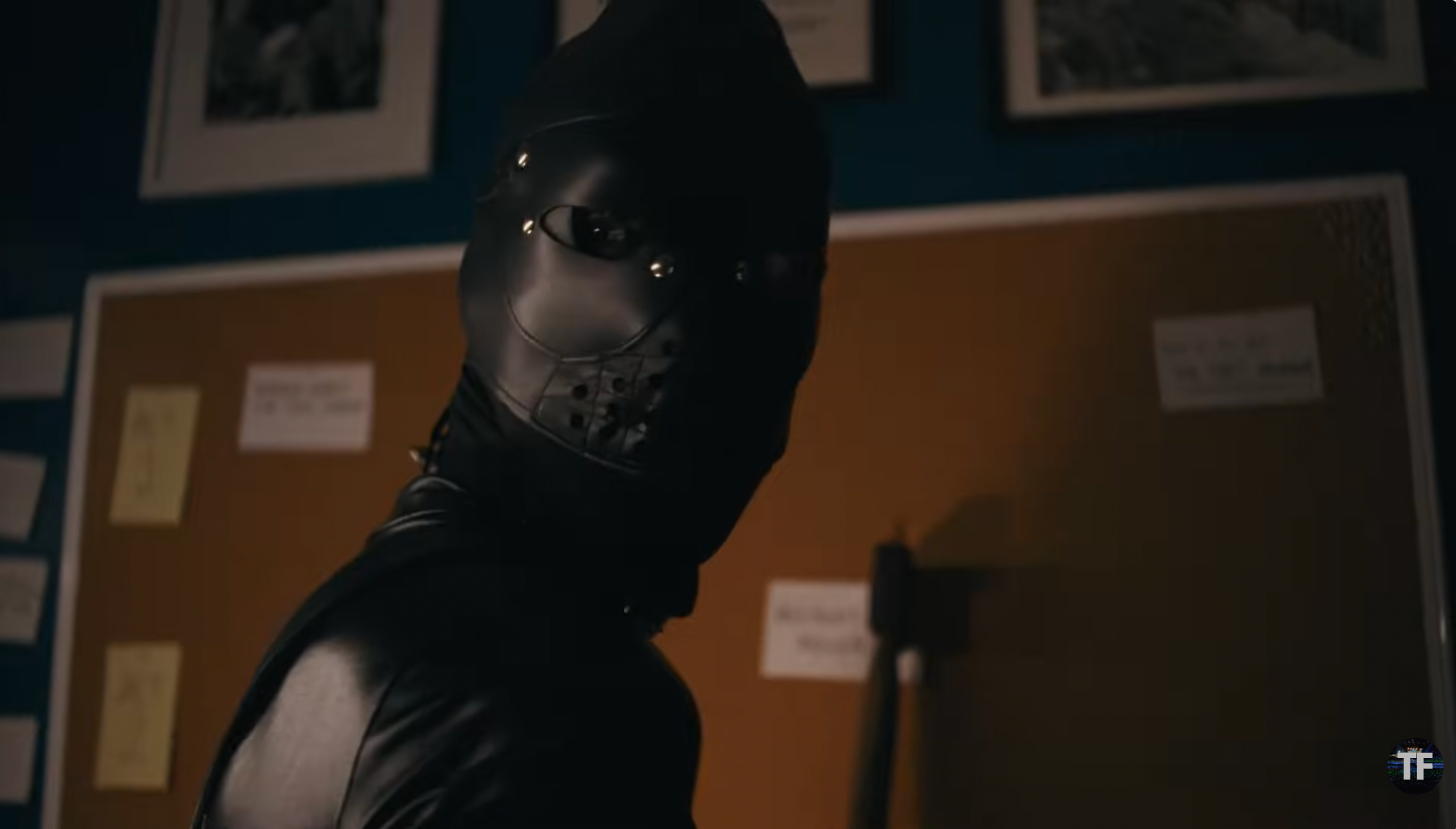
The script, moreover, is a mashup of films and shows that are extremely recognisable within the horror genre. The humanoid wears a gimp suit inspired by American Horror Story, wields an axe such as the one in Texas Chainsaw Massacre and smiles with metallic teeth as though imitating the Xenomorph’s mouth in Alien.
“It's kind of like this idea that AI has created this slasher film [villain] but it's just amalgamated it out of all these other films that it's drawing from … It just doesn’t fully make sense as a cohesive kind of character in a film,” Packer said.
“In some ways, I’m concerned about what AI is going to do to our industry, but in other ways, I sort of feel like that human filter – of like, does this work? Is this funny? You know, are people going to respond to this? – will always be important and perhaps become more important as people use AI more and more.”
In thinking about a new category for AI-generated films at Tropfest, Packer says it’s hard to imagine how that would work.
“It’s hard for me to imagine there’d be a huge market for people interested in watching films that are only produced with AI. So I don’t know … how a different category would actually work in execution,” he said.
Film producer and Tropfest 2026 Wildcard winner Taysha McFarland said that separating generative-AI films into their own category does sound like a good solution, but isn’t sure this approach would be suitable at Tropfest.
“I don’t see Tropfest doing that only because of the exclusivity of getting into those final positions and then if you open up to more categories, then it feels less exclusive,” she said.
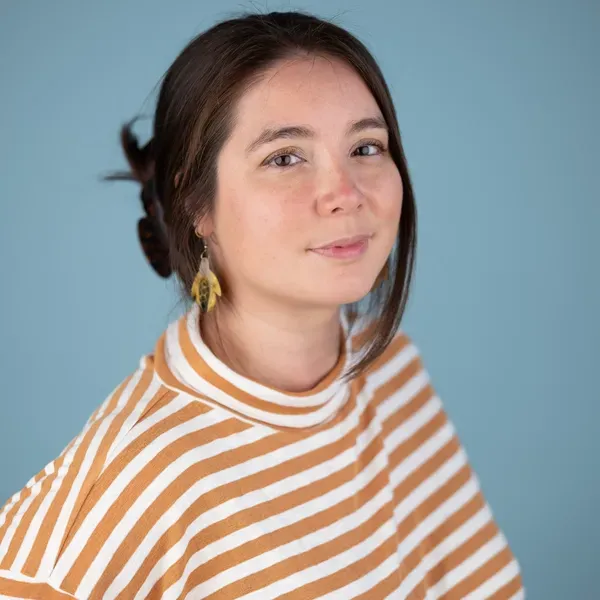
“Instead of having a separate category for AI-generated films, Tropfest could have a sort of threshold where … they agree to have maybe 80 per cent of the films that they include in their finalists as completely made by humans and the other 20 per cent could be films that include some sort of AI generation.”
Yet this idea, McFarland said, gets easily complicated given there may not be a way to know how much creators are using generative AI in order to classify their films as ‘AI films’.
Policies regarding the use of AI in creative fields are becoming increasingly more common and government bodies are stepping in to assist with the process of forming these regulations.
In 2025, Creative Australia released Generative AI and Creative Work: Creative Australia Principles, a guide aimed to help organisations navigate AI within creative industries.
Although this resource exists for organisations like Tropfest to draw upon, it is still ultimately up to the companies themselves to decide how they choose to implement and regulate new AI technology.
Film scholar and generative-AI researcher Dr Callan Norman said setting rules around using generative AI on a practical level is very hard to impose given the technology is becoming increasingly imperceptible and photorealistic. As time goes on, there’s a possibility that generative AI films will be submitted to Tropfest and panellists won’t be able to tell they’ve been made using AI.
Dr Norman therefore suggests that forming a culture of transparency and openness around AI use is the best way forward.
“I think the strategic thing to do is to create a culture where people are sort of suspicious of AI, or where they value human creativity more than artificial intelligence,” he said.
“There is an argument to be made that all generative AI on some level encounters plagiarism. And so I think that needs to be really clearly thought through.”
Packer said that by handing the creative process over to AI, we diminish our creativity – the thing that sets us apart.
“It’s hard work to access that, it’s hard work to do the deep thinking required to figure out what your voice is and what you want to say. But … it's doing that work that … leads to your unique point of view.”
Sladden said that given generative AI doesn’t have a point of view or lived experience, collaborating with the technology essentially means you are scraping ideas from others from whom you did not seek permission.
“Generative AI’s intellectual theft is morally repugnant, and its output is creatively flaccid and dangerously uninteresting,” she said.
“By outsourcing creative tasks to generative AI – by deferring to generative AI – you devalue your creative voice and authorship, and send a very clear message that you are replaceable.”


