


One step for the Antarctic scientist, one giant leap for Australia’s role in climate research

Thousands of kilometres south of Melbourne lies Antarctica, where rising global temperatures are intensifying concerns about the future of the frozen continent.
In September, the World Meteorological Organization reported that El Niño was expected to intensify towards the end of 2026 and into 2027, increasing the risk of extreme weather events.
In August, around 400 Antarctic researchers from Australia and overseas attended the Australian Antarctic Research Conference in Hobart. The conference examined Antarctic ice loss, environmental threats, emerging research technologies and the implications of Antarctic change for Australia and the wider world.
Director of Securing Antarctica’s Environmental Future (SAEF), Steven Chown, is directly involved in research on how changes in Antarctica and the Southern Ocean are affecting Australia and the world.
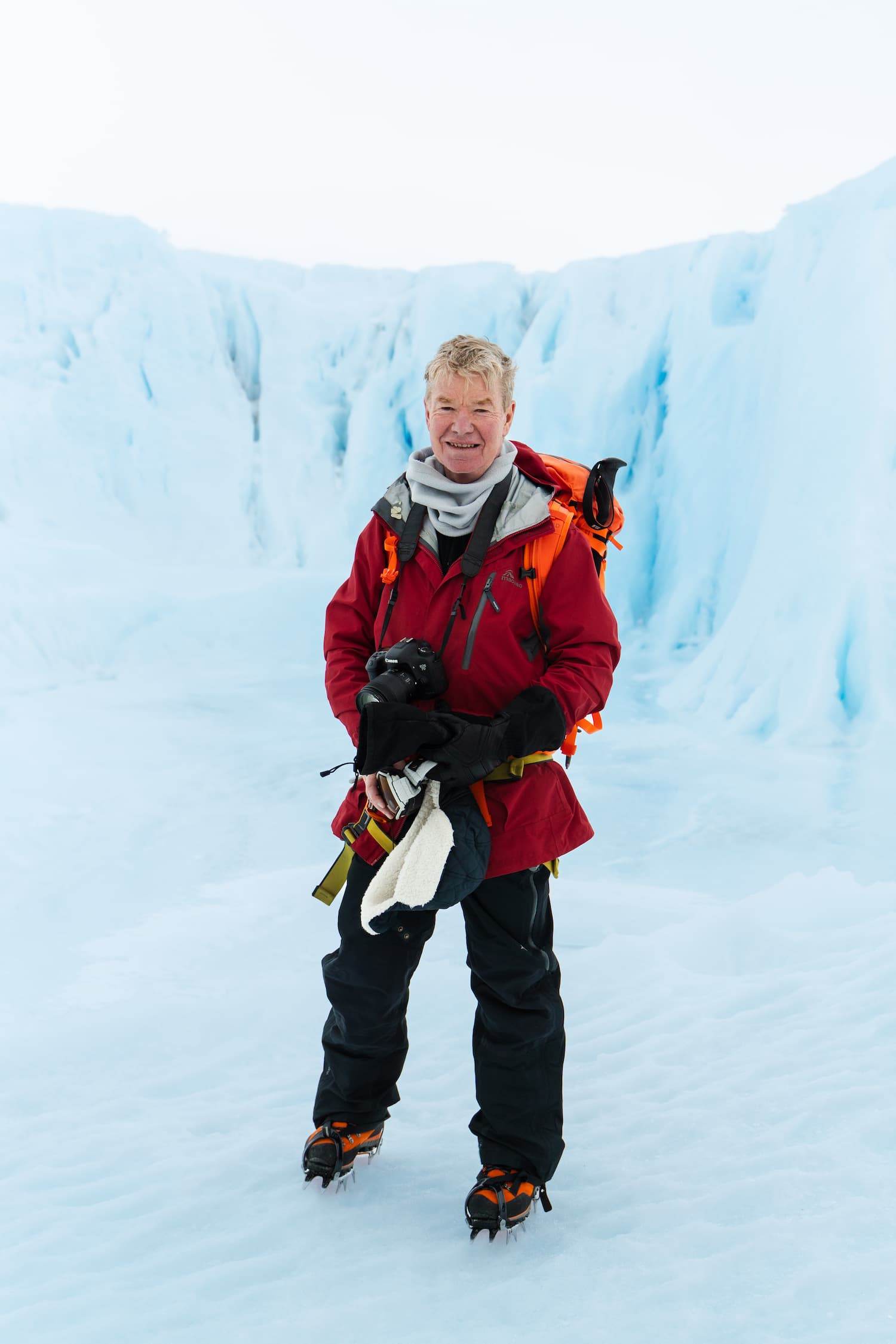
“One of the things that we know from the data, and which in turn we hold to be true, is that Antarctica's future is our future. We live on one planet and the two are inseparable, even though the region is really far away,” Chown said.
Chown has conducted Antarctic research since the 1980s.
Seeing the changes with his own eyes is what drives scientists to work with civil society and decision makers to “point out that we’re in trouble,” he said.
But this trouble is not unsolvable.
“It's not like a happy place we're in, but at the same time, it's not a desperate no return from this place. It's a resolvable problem,” Chown said.
Do Antarctic scientists experience climate anxiety?
However, for Australian scientists on the frontline in the changing Antarctic region, the impacts on mental health also become a concern.
In August, Australia temporarily withdrew staff from its Macquarie Island research station because of the anticipated psychological risks of witnessing a potential H5 avian influenza outbreak affecting local wildlife. The virus had not been detected on the island at the time.
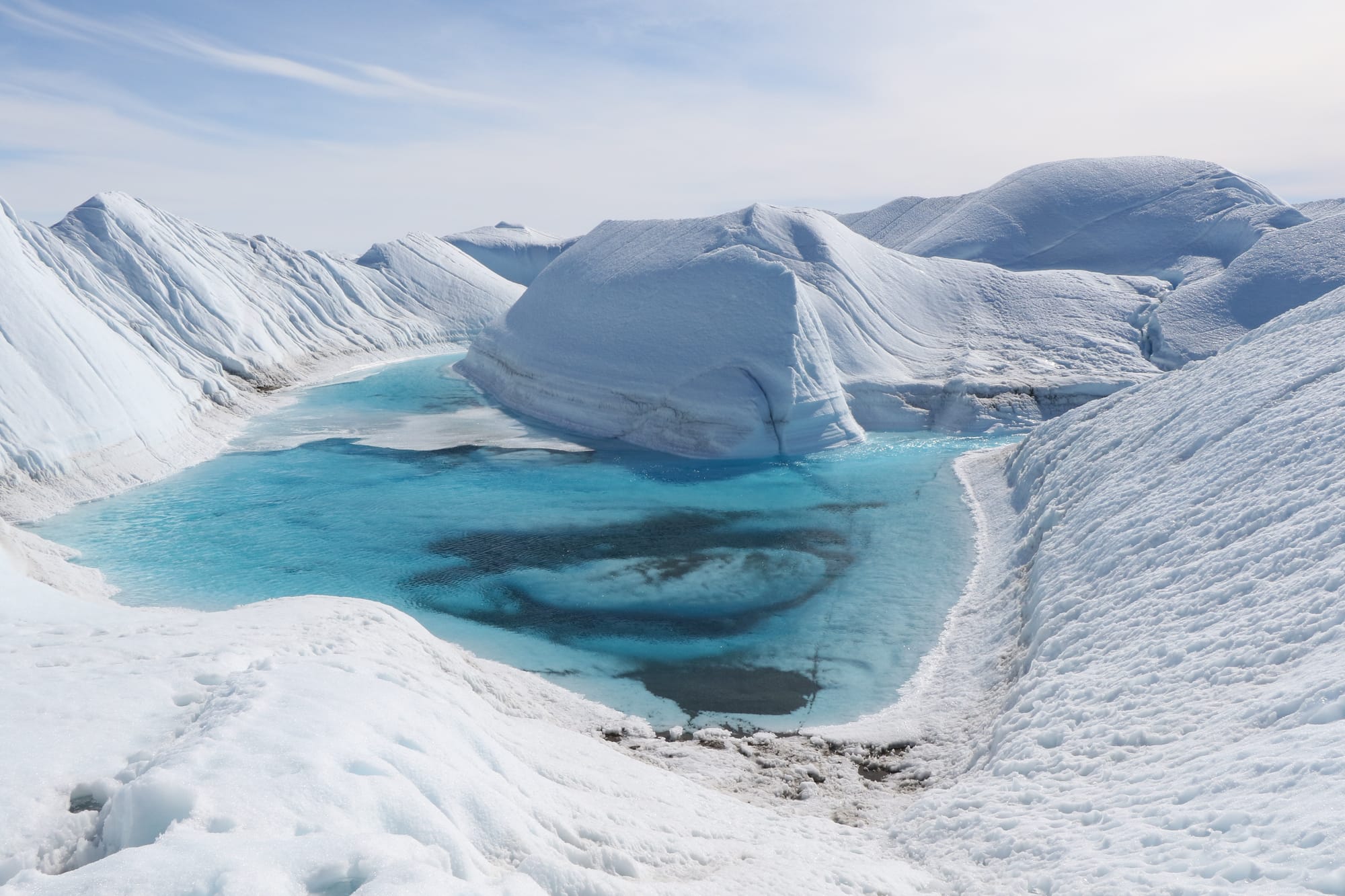
Witnessing the melting and collapse of glaciers can also take an emotional toll on scientists.
“There's enormous change and you're going from environments that had these enormous glaciers to the glaciers disappearing. So it is really not a lovely thing to look at and it can be very demoralising. That to me is always a source of inspiration to work harder at the problem,” Chown said.
Alongside this mental toll, there remains the privilege of experiencing Antarctica in person.
“You're in the middle of an Attenborough movie, basically, because as you're travelling to the penguin colony, you'll see whales around you. You'll see seals in the water. You see penguins in the water. There's birds overhead. It's truly extraordinary.”
Chown said working in Antarctica also creates a sense of dependence on colleagues, as isolation requires scientists to solve problems together.
“That insignificance in turn translates itself into deep respect for the planet, for how important it is for our survival and how critical it is that we remain good friends and colleagues because you become dependent on people in a way that you're not dependent on them elsewhere.”
This can reflect in how Australia works together with other countries in climate research.
Australia’s part in an international effort
Antarctica is not owned by a single nation.
The Antarctic Treaty was signed in 1959 by 12 countries, including Australia. Seven countries maintain territorial claims in Antarctica, some of which overlap. The Treaty preserves the existing positions of claimant and non-claimant nations while preventing new claims or the enlargement of existing ones.
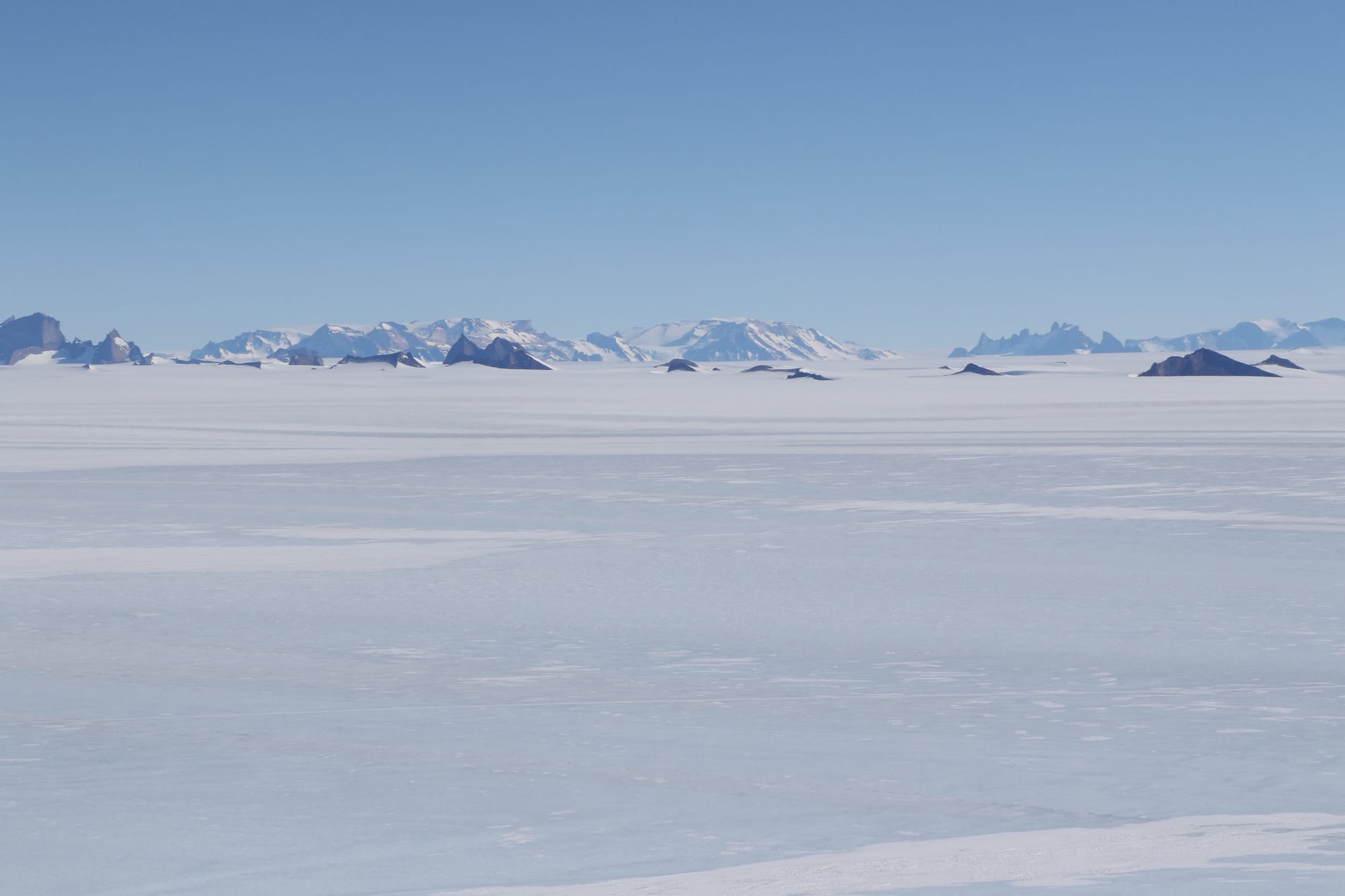
Australia is involved in many international research projects in Antarctica.
One of the most significant is the international research endeavour known as the Million Year Ice Core Project.
Scientists from Australia and around the world are drilling deep into Antarctica's ice sheet to recover a continuous climate record stretching back more than one million years, potentially as far as two million years.
The Australian Antarctic Division expects to reach the oldest ice in 2028 or 2029. The age of the ice varies with depth, and scientists hope the samples will help explain how Earth's climate responded to relatively small changes in the energy it receives from the Sun.
But these projects depend on financial support.
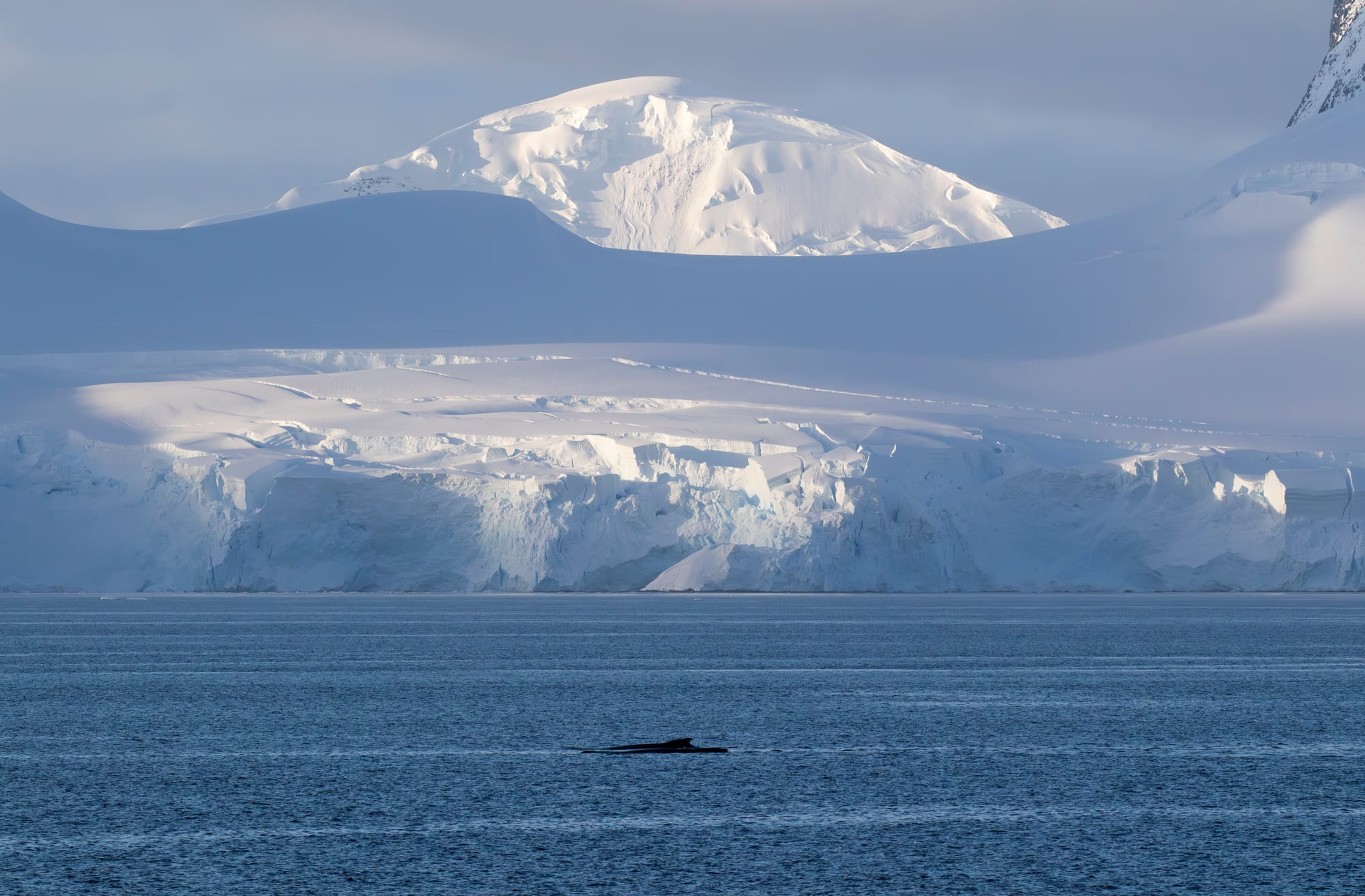
Over recent years, government funding for Australia’s Antarctic research has been a point of concern for scientists.
In 2023, the Australian Antarctic Division faced a funding shortfall of more than $25 million, equivalent to approximately 16 per cent of its operating budget.
In 2024, the Federal Government committed $370 million over nine years towards a new research station and supporting infrastructure on Macquarie Island, helping secure Australia's long-term scientific presence there.
In December 2025, federal Treasurer Jim Chalmers announced $208.8 million over seven years for the Australian Antarctic Program, supporting additional research voyages, aviation operations and scientific research.
While these announcements represent significant investment in Australia's Antarctic operations and infrastructure, they involve different funding purposes and do not necessarily address the operating-budget pressures reported in 2023.
Chown said scientists also aim to communicate the necessity of their research to civil society and decision makers.
“We put all of [the research] together to work out ways in which we can help policymakers to make the right decisions for the continent and its surrounding ocean,” he said.
Chown shared one of his favourite memories working in the polar region. He was in the Scotia Arc, the islands between the Antarctic Peninsula and Latin America. On his own, with only a radio, he went to do some sampling at a bay.
“There were all these birds in front of me, there was this beautiful landscape, and I was totally on my own.”
As human-driven climate change transforms Antarctica, its consequences extend far beyond the continent.
While Antarctica's changing environment presents significant challenges, Chown believes scientific research and international cooperation can help address them.
“I come away every time from the Antarctic thinking, we're tiny on this planet, we're having a bad effect, but we're pretty amazing, so we should be able to fix it.”


