


Why Victorians are advocating for practical education on adolescent relationship violence

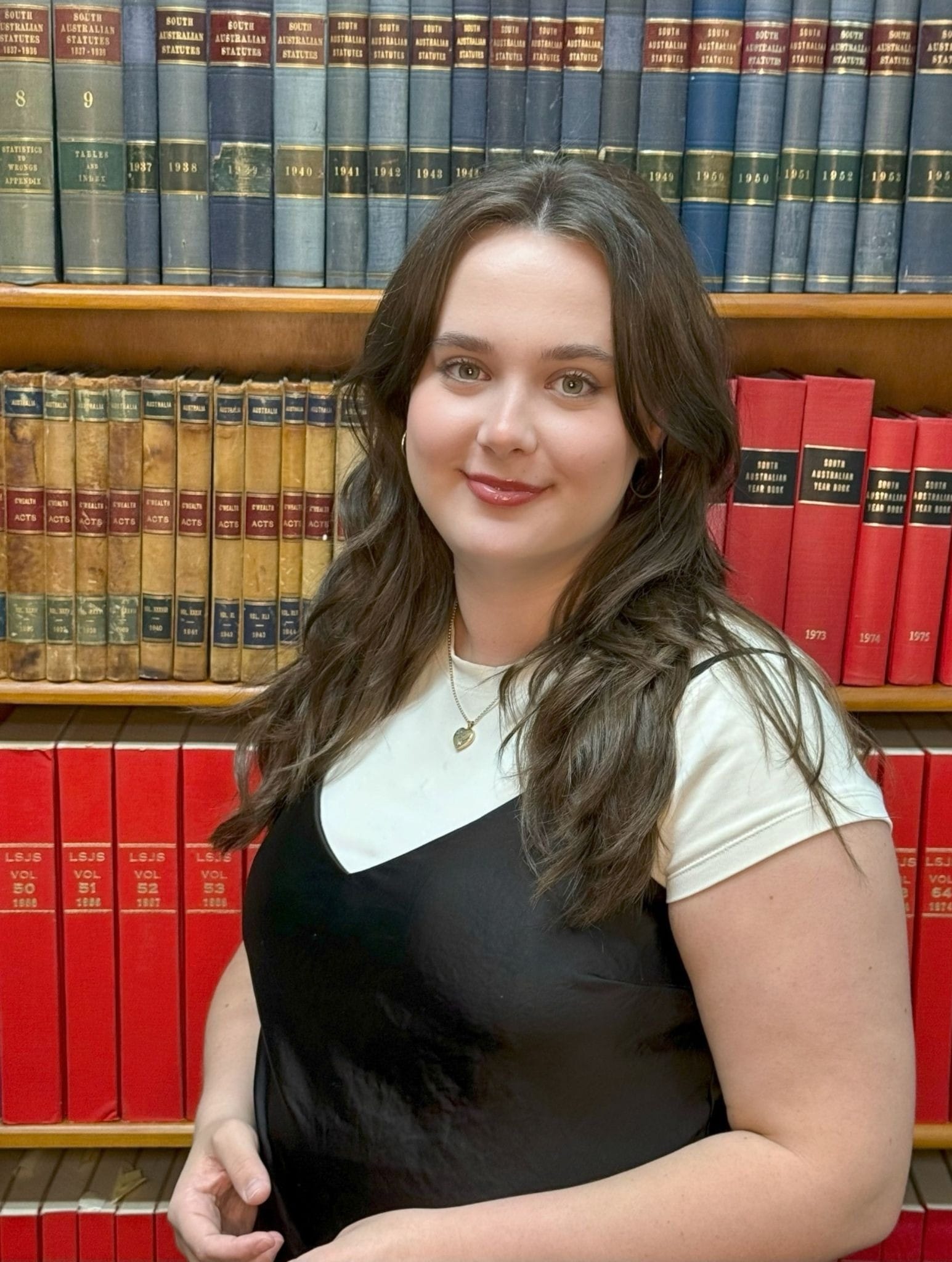
Violence survivor and advocate Abbey Hardie is passionate about young people having tools to recognise signs of unhealthy and unsafe relationship dynamics. She’s fighting to empower them to speak up.
“I didn’t understand that the family violence I was experiencing was abuse," Hardie said.
She said there was no one there to tell her what was happening in her own home was not normal.
“When I later experienced sexual violence, I had a hard time grappling with the concept of being violated," she said.
For many Australian teenagers, she said, it's a familiar story.
Hardie has launched a petition with a group of survivors from What Were You Wearing (WWYW), calling on the state government to ensure students in Years 10 to 12 receive compulsory domestic violence education.
What Were You Wearing is an Indigenous-led not for profit organisation that seeks to combat domestic, family, and sexual violence through supporting victims of abuse and creating educational and support services.
With over 2300 signatures, the petition wants healthy relationships programs to teach students what coercive control and abuse can look like in real life, including pressure to have sex or share sexualised images, and what to do if something doesn't seem right.
Hardie said a key barrier to the implementation of domestic and family violence education in curricula is a presumption that young people are not experiencing this violence in their homes and relationships,
“There is a really strong stigma that young people are not impacted by abuse," Hardie said.
But one in three teenagers aged 18 to 19 reported experiencing violence from an intimate partner in the latest Australian Bureau of Family Statistics survey.
And one in 12 adolescents have also reported experiencing sexual abuse.
For Hardie and many of the advocates at WWYW, this campaign is close to home. They fight to ensure young people can recognise the signs of abuse and seek support, as well as receive education that may prevent cycles of violence.
“If I had been more educated on the topic maybe I would have reported it.”
Proposed changes to the curriculum
Victoria’s Respectful Relationships program, currently taught in schools, was established in 2016 as a ‘primary prevention initiative to reduce family violence’. A three year pilot program was also run to teach the new affirmative consent model, ending last year.
But Hardie said current legislation does not go far enough to address gaps in education.
She said Victorian government schools’ focus on how unhealthy relationships manifest amongst young people “is not as in depth as it needs to be”.
The WWYW petition calls for the curriculum to be updated to address reporting processes, counselling and recognising abuse.
Hardie said education about coercive control and verbal abuse would help young people better understand what’s happening to them.
She said WWYW plans to take the campaign nationally, should the petition be successful in Victoria’s Parliament.
“Eventually we get enough traction that it just becomes a no-brainer for the rest of the states to implement,” Hardie said.
Member for the Northern Metro Region of Melbourne, Anasina Gray-Barberio, has endorsed the WWYW petition in the Legislative Council. MOJO News contacted Ms Gray-Barberio’s team for comment, but did not receive a statement by time of publication.
The petition will be considered for debate in Parliament if it reaches 10,000 signatures.
Combatting drivers of adolescent relationship violence
Intimate partner violence senior research fellow at the University of Melbourne, Dr Mandy McKenzie, said the current healthy relationships program does not do enough to help teachers, parents, sporting groups and friends feel informed and confident having conversations with young people in unhealthy relationships.
She is currently engaged in qualitative research into how friends support young people experiencing violence and toxic relationships.
"It’s very patchy… young people rarely talk to schools or go to domestic violence or sexual assault services because they fear unhelpful intervention," Dr McKenzie said.
For Dr McKenzie, reducing relationship violence is about more than a 12-week program at schools.
She said it requires community-wide action and lifelong work to address the drivers of violence.
“Attitudinal education is important, but it has to start much earlier."
The portrayal of violence in online pornography and the misuse of technologies such as location tracking, she said, can normalise coercive behaviours and contribute to relationship violence amongst young people.
Dr McKenzie said it is equally important to update the healthy relationships program so it resonates with young people.
“A lot of our education hasn't been realistic enough and hasn't… recognised the world that young people are growing up in," Dr McKenzie said.
“We need to understand what young people are facing… and use a language [they] respond to."
If you, or someone you know, needs support you can call the National Sexual Assault, Domestic and Family Violence Counselling Service on 1800RESPECT (1800 737 732), Lifeline on 131 114, Kids Helpline on 1800 55 1800 or Beyond Blue on 1300 224 636.


