


Machine mind in medicine: The boons and banes of AI in healthcare
AI has many uses in medicine but its adoption in the field should be treated cautiously, experts say

As artificial intelligence (AI) grows in its applications across the medical field, professionals are accepting its need, but continue to have reservations.
These reservations stem from the inability to hold AI accountable for mistakes, lack of regulations around use and the worry that diverse and atypical presentations will not be caught.
The founder and CEO of Sagan LLC, a global AI and healthcare consulting firm, Dr Padmini Murthy, said AI is valuable in the way it helps the health profession address certain diseases.
Dr Murthy said predicting breast cancer earlier in women was one of the leading diagnostic use cases for AI in medicine.
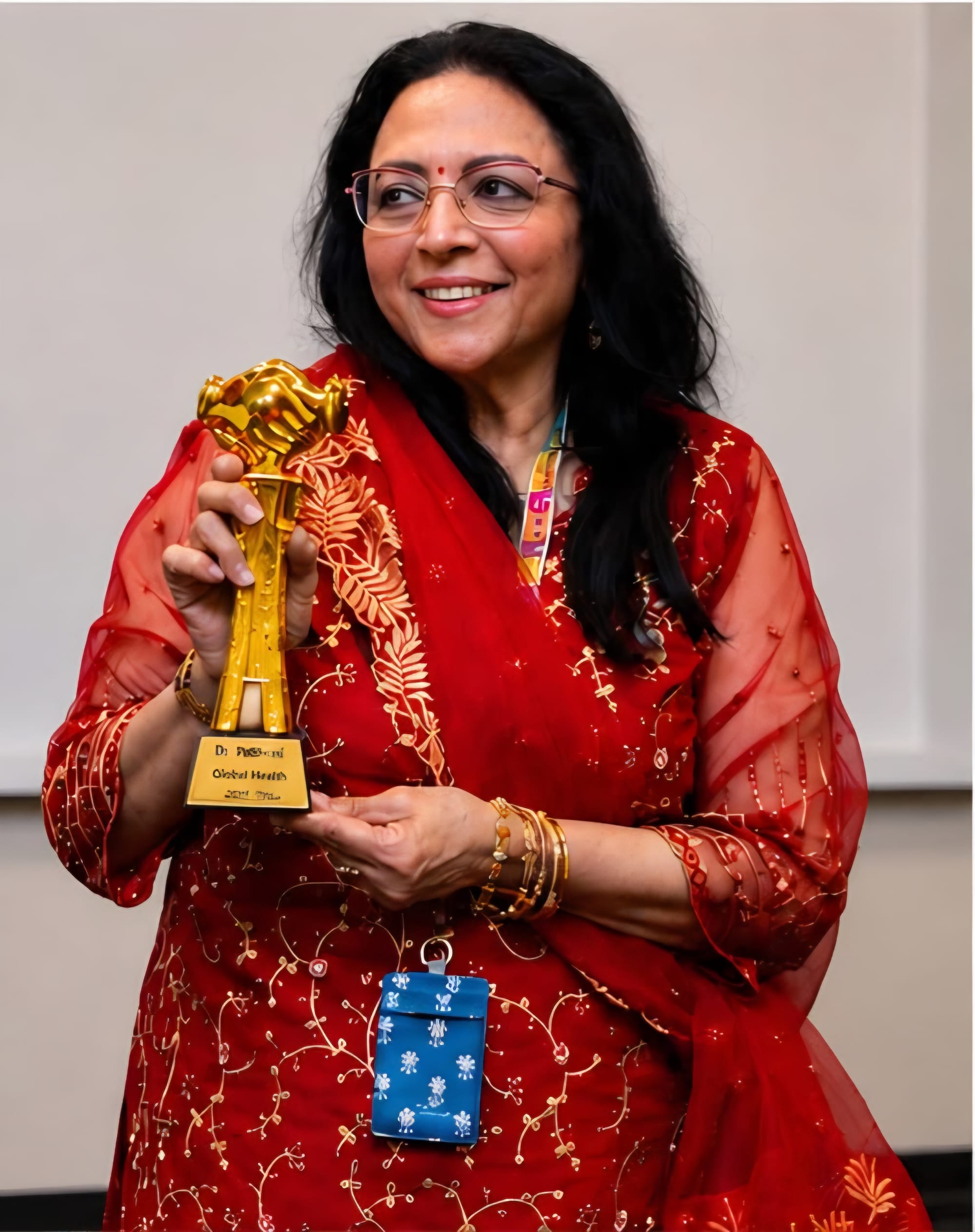
“This a major breakthrough in finding and predicting any early cancer diagnosis, or even predicting whether a woman will have an increased risk to develop breast cancer way early- then you can take a lot of precautions” Dr Murthy said.
It is also being used in remote monitoring of pregnant women, and in facilitating distance surgery through robotics, becoming a powerful tool for the healthcare industry.
She said AI is beneficial to doctors and patients on a large scale because of its efficiency and speed.
“AI could help physicians by reducing burnout. Physicians spend an inordinate amount of time in compiling data and charts, in writing. So if it can be automated... it will reduce the burden and more time can be given for patient care."
Medical students in Melbourne said they would like to see AI become a normalised part of note taking to help keep track of conversations between doctors and patients, but has not yet entered the hospital system.
Monash Health Emergency Department’s third year Masters student, Anshul Jain, said when a patient comes in with a complex problem that requires various departments to collaborate and communicate, it reduces efficiency significantly.
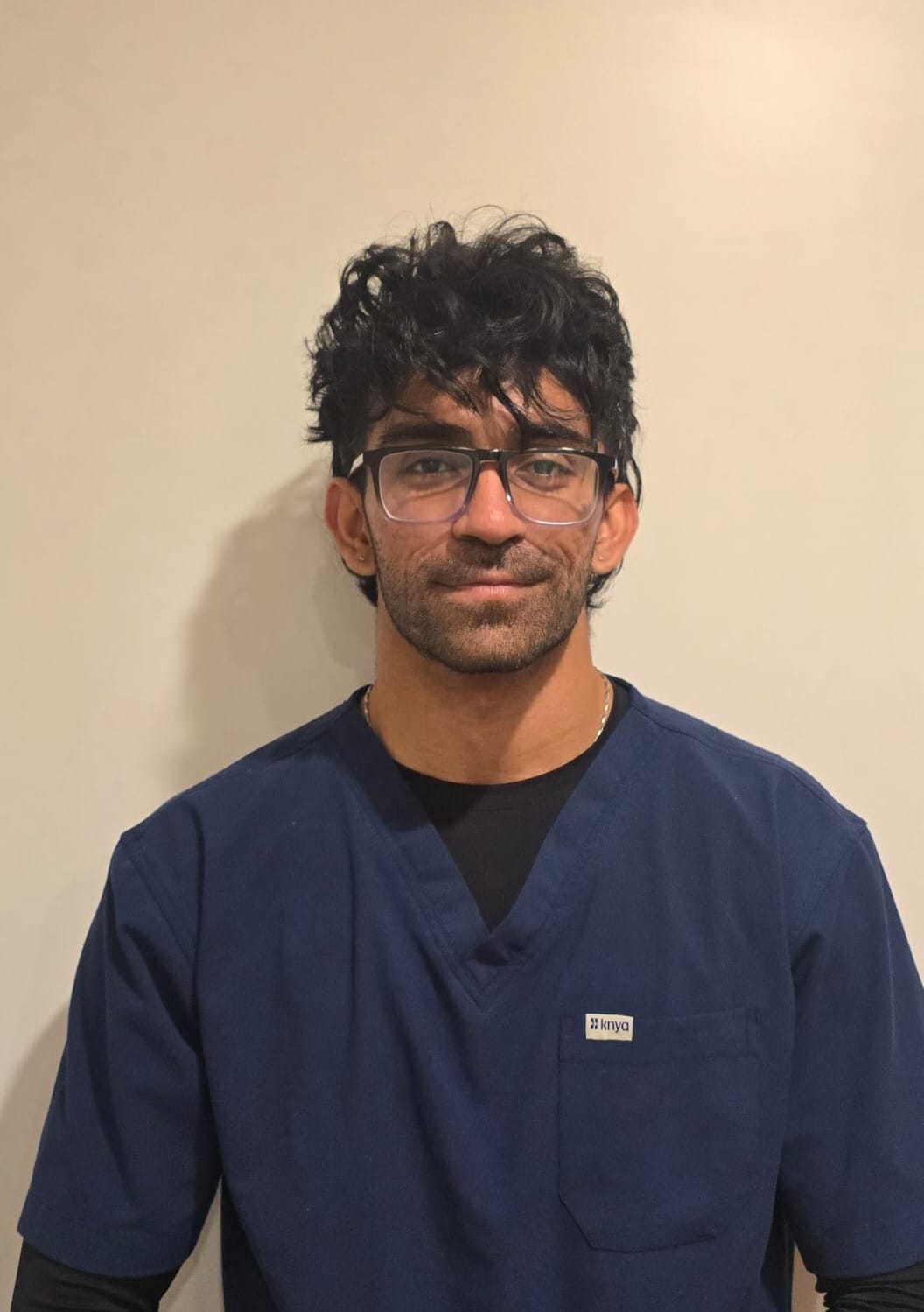
“They could be looking at ten patients throughout their shift, but they’re stuck with three patients. You’ll need to spend the next one and a half hours just on one patient, just to make sure they’re going to the right place,” Jain said.
Dr Murthy agreed, explaining AI is solving the issue of disorganised data management across departments and hospitals, referred to as data fragmentation.
“The data is collected but sometimes it cannot be shared effectively across the same hospital. If a patient is discharged and the same patient is readmitted, there might be a time lag and you might not get the full data. AI can help in compiling all this and being concise” Dr Murthy said.
A paper published in the International Journal of Biolife Sciences found AI simplifies processes through its data management systems, by applying data cleaning and its Natural Language Processing algorithms that organise notes and highlight only necessary information.
Beyond this, however, students remain sceptical of AI’s diagnostic uses, where systems like machine learning are used.
Monash Health Emergency Department’s third year Masters student Shraddha Katkuri said AI could help mainly in diagnosing typical presentations of illnesses in the Emergency Department, but not much more.
A population does not compromise purely of people who present typically, socio economic factors and natural predispositions to certain diseases have to be considered when making a diagnosis.
Katkuri said the machine cannot account for these factors. It would require training on data sets that have a specific presentation. This is why, from an ethical standpoint, she’d prefer a human’s input.
“Atypical presentations are a bit hard to catch on AI. I think a lot of training would be dependent on that; it would need way more databases. If we’re catering to populations where there’s very specific rates of incidents of medical conditions,” Katkuri said.
In addition to Katkuri’s concerns with diagnostic blunders, Jain higlighted the potential liability issues of using an imperfect technology.
“All AI devices that claim to be diagnostic in nature need to be classified as a medical device and not an AI tool because that brings in a form of accountability. Even if it’s a screening tool, knowing that it’s 90 percent accurate or sensitive, I know how to gauge it."
Jain said even with 100 per cent accuracy, he would trust his clinical judgement over a tool because at least he could be held accountable for his decisions.
“If Monash Health introduces an AI to triage, if the triaging is wrong or not accurate, or something goes sideways, who is taking responsibility?”.

Dr Murthy reiterated AI’s limitations stating that, ultimately, AI is a machine and it depends on people to function accurately.
“The steps to take forward are to ensure a system of checks and balances is put in place, where the focus on developing AI is done with encryption, environmental concern and patient well being in mind."
Dr Murthy suggested tighter ethical safeguards, training machines on diverse data sets, regular audits, training physicians on the systems and periodical change to the staff to avoid rogue behaviour as counter measures.
“AI has opened up a lot of avenues, but the final decision is not AI’s. It’s what the person using it, the expert, decides,” Dr Murthy said.


