


Code Black: Inside Australia’s Nursing Crisis

Content Warning: This article contains reference to and descriptions of workplace abuse and violence.
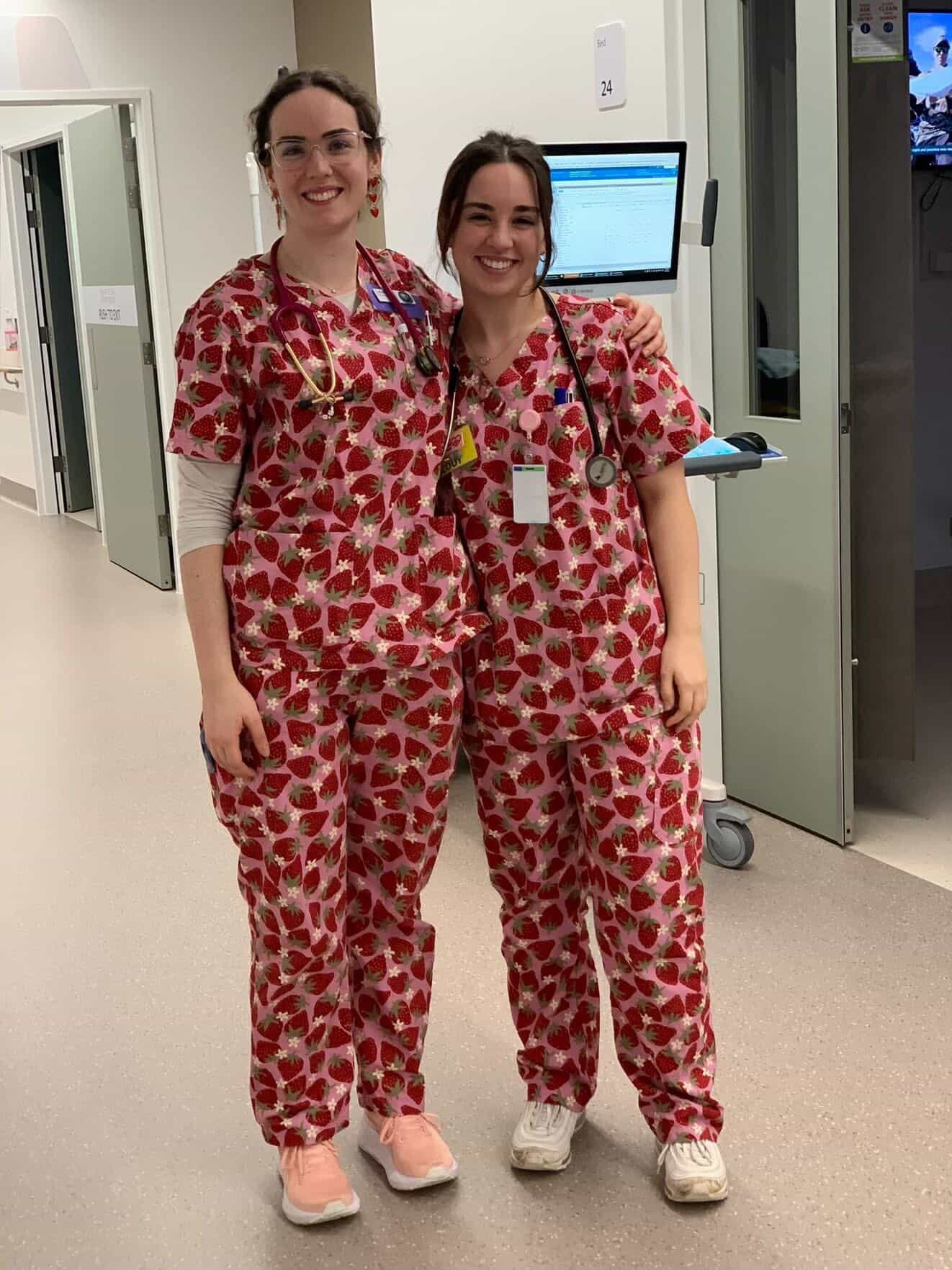
Approaching the late hours of her night shift, Maddie Hood enters a hospital room with her four male patients.
Hood, a recently graduated registered nurse, had no idea the turn her shift was about to take; one that would traumatise her for weeks to come.
Patiently guiding an elderly patient back to bed, Hood was suddenly struck hard across the face.
In shock, she felt the patient’s hands tighten over her wrists hard enough to leave marks for days.
“He grabbed my hair, he was kicking my shins, spitting in my face,” Hood said.
“He left scratch marks all up and down my arms… he drew blood.”
As Hood’s abuse continued, two other patients became involved, one making “disgusting” sexualised comments about her body, the other “screaming and swearing” at her for disturbing his sleep.
Hood is one of thousands of Australian nurses suffering workplace abuse, as a critical nursing shortage threatens the nation's healthcare sector.
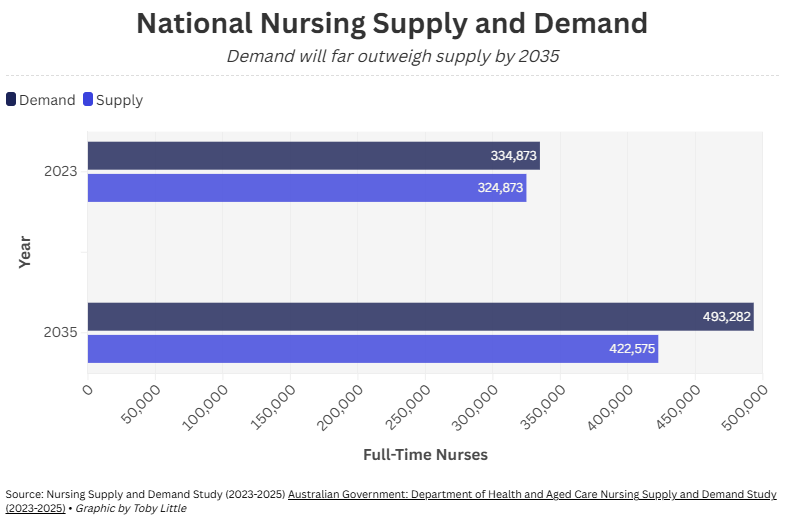
She believes safety concerns are one of the main reasons Australia is projected to have a severe undersupply of nurses by 2035.
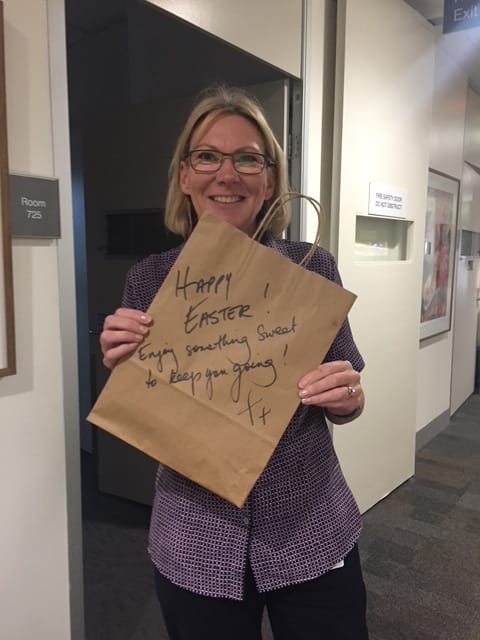
Anna Stevenson, a Division 1 registered nurse with over 35 years of industry experience, said abuse of this sort is “a very common thing”.
According to the World Health Organisation, up to 38 per cent of healthcare workers will suffer physical violence, with nurses most at risk.
“I’ve had one instance of physical abuse where a patient tried to wrap oxygen tubing around my neck,” Stevenson said.
“One of my friends recently had a patient somehow pull a knife on her and actually cut her.”
Research shows healthcare staff suffer the greatest rates of workplace violence injuries, five times more common than in other sectors.
Regardless, Hood said coworkers rarely prioritise their own wellbeing, dismissing personal injury and trauma to instead care for others, a sentiment echoed by nurses around the nation.
“It’s an expected thing that you’re going to deal with all different forms of abuse, and that, regardless of it, you need to provide care,” Hood said.
“I’ve heard of nurses being strangled, and they still finished their shift, because they weren’t unconscious, they could still physically do their job.”
It wasn’t until she got home from her own shift two hours later – time during which she continued to care for her abuser – that Hood realised how much the incident impacted her.
She had to use sick and annual leave to cope.
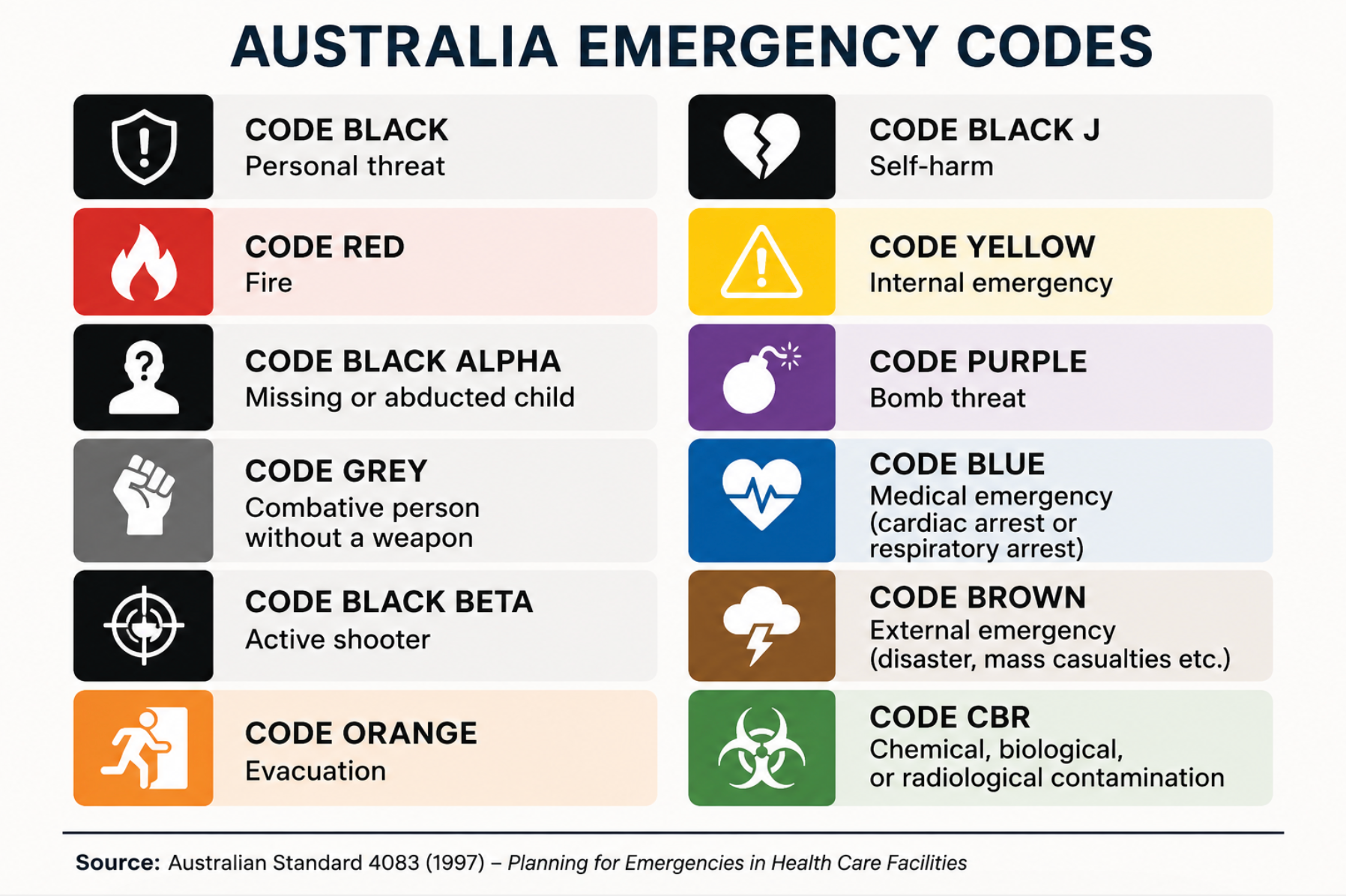
Despite protective codes in place, including ‘Code Black’ to alert floor staff and security of abuse, Hood said no announcement was made, and no report was submitted.
“Going back, I was quite nervous."
“Nothing happened to him. He didn’t have any consequences.”
When workplace violence impairs nurses’ confidence and concentration, there can be detrimental consequences on patient care and outcomes, the Australian Medical Association said.
Stevenson believed the distress resulting from continual abuse and the high demands of the job are causing early career burnout, resulting in shortages.
“It’s hard work, and if you haven’t got resources to help you and support you, I can see how people just walk away,” Stevenson said.
“Nurses put up with a lot. The abuse isn’t necessarily directed toward the nurse, but it’s the nurse who cops it.”
In 2024, the National Skills Commission identified shortages in more than 60 healthcare roles in Victoria.
Up to 57 per cent of nurses leave their position, or their entire profession, within only two years of practice. Retention rates are particularly concerning in rural areas.
Stevenson also feels a lack of funding for the sector is failing its carers.
“It all comes down to the dollar,” she said.
“There are a lot of junior nurses around, but the experience isn’t there. Younger nurses need more support. But once again, that’s money.”
Hood believes a shift in the handling of abuse incidents must also occur.
Managerial responses to abuse often involve discussion with nurses about how they could have better “de-escalated” situations, Hood said.
Instead, she said threats of abuse must be taken more seriously, and relevant safety codes should be called more regularly to prevent abuse rather than responding to it.
She added that patients must also be confronted about their behaviours, especially when nurses’ physical safety is at risk.
“A lot of the regulations around how we work are very patient-focused,” Hood said.
“As much as management says keeping us safe is the priority, it’s about the patient. It's a bit backhanded."

Stevenson saids some positive change has emerged since the beginning of her career.
“In the world we live in nowadays, there’s a lot more awareness… we used to just put up with it."
“There is a lot more support in workplaces now than there was 30 years ago.”
For urgent confidential support, nurses in immediate danger should contact 000. Alternatively, contact Nurse & Midwife Support at 1800 667 877 (24/7), reach out to their state union, or notify their employer to file an incident report and access workers' compensation.


