

How can manosphere culture in Australian classrooms be reversed?


Teachers and educators are urging for better-funded and more effective intervention to address the alarming rise of online ‘manosphere’ and misogynistic culture in schools across Australia.
Educators are concerned that current respectful relationships education programs are not being effectively introduced to younger age groups.
While government-supported Respectful Relationships Education is introduced from Prep, the current curriculum is not nationally consistent in content and application, according to a Monash University and AEU Report. Current curriculum material that addresses harmful online content are introduced in older age groups, according to an eSafety Commission Report.
An eSafety Commission survey revealed that 80 per cent of 8- to 12-year-old children use social media platforms like TikTok and YouTube, shaping students’ worldview before the current curriculum can address its harm.
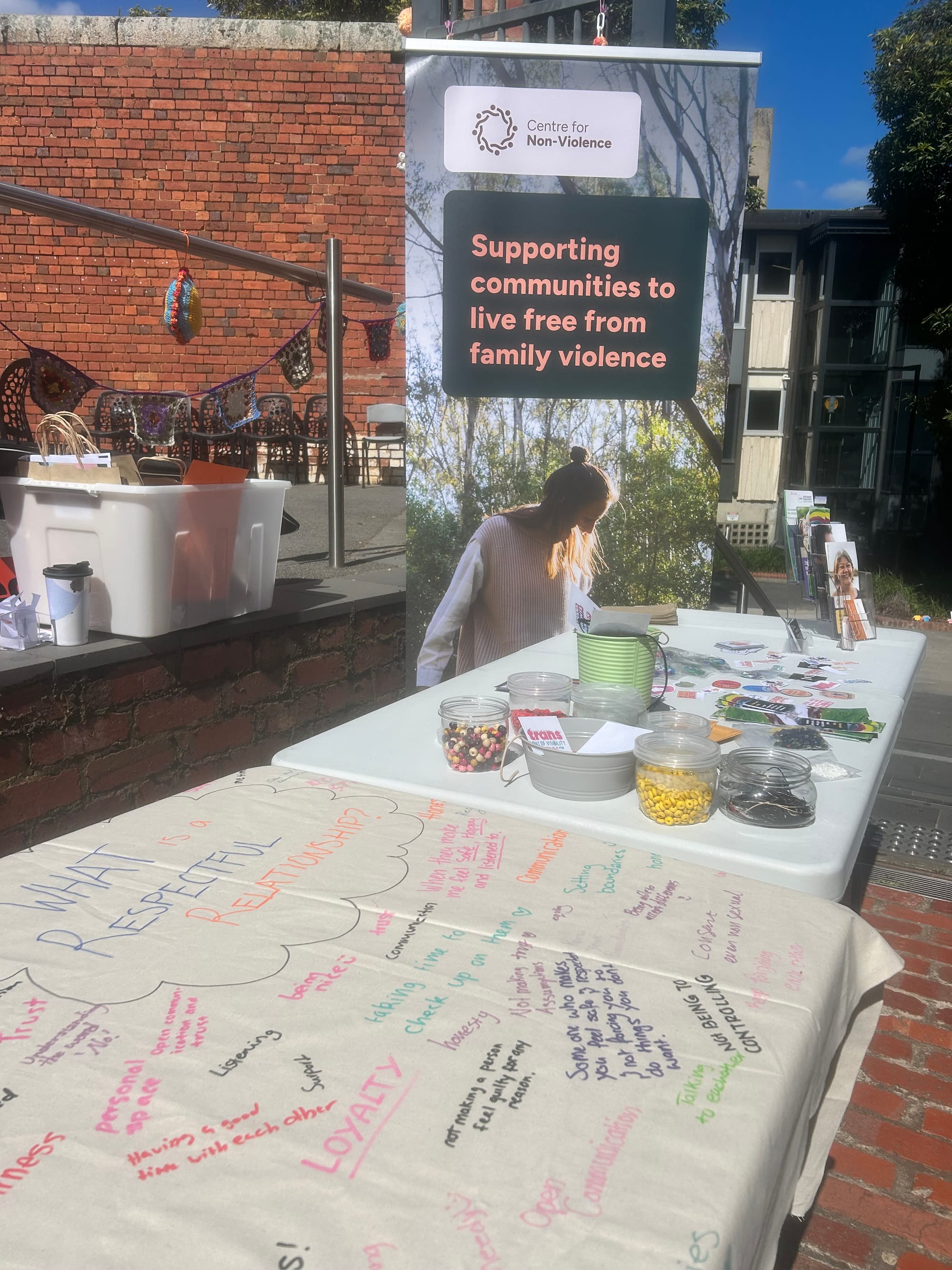
To target classroom misogyny, Centre for Non-Violence spokesperson Clare Shamier said early prevention programs in schools are essential for all students, teachers and parents to recognise the start of harmful behaviour.
“We’re beginning to see much younger men coming in for our services, who are already presenting high-risk factors for using family violence,” Shamier said.
“The influence of the manosphere is informing their views and attitudes, and there’s very little out there that can challenge it,” she said.
Shamier said prevention programs that work with schools are most effective when introduced in early childhood education and have consistent follow-up sessions across primary and secondary education.
Shamier said while more resources can be provided to schools, it should not be their sole responsibility to shift young people away from harmful content online.
“Schools are already chronically underfunded... we need more dedicated and long-term investment from the state and federal government to fund these programs.”
“I don’t think it’s going to be the role of any one part of the system."
Currently, schools and education sectors across the country have received $77.6 million from an $83.5 million government commitment to consent and respectful relationships education, under the decade-long National Plan to End Violence against Women and Children 2022-2032.
In its First Action Plan 2023-2027, the initiative aims to strengthen mainstream and specialist workforces to deliver quality services, activities and programs.
Yet gaps in this funding are felt nationwide. A recent Monash University and Australian Education Union (AEU) report revealed that 95 per cent of teachers believe their students have some access to misogynistic content online.
Educators who participated in the Monash and AEU report call for the federal government to embed Respectful Relationships Education programs into the curriculum to address this misogynistic culture in classrooms.
High school educator Germaine Moser said external organisations deliver informational incursions, but often fall flat due to how much students retain.
“Their brains are totally different to that of previous generations... they have very short attention spans," Moser said.
“For incursions, you could have one person speaking to 200 kids, but maybe only one or two listened."
She suggested these programs can be more tailored to content students already consume online, making them more relevant for students in a way they understand.
“Things like showing them a TikTok they might have seen, then debunking its harmful messaging in real time,” she said.
Moser said while programs are important to re-educate students about harmful rhetoric they learn online, it is also the role of teachers and parents to solidify the content of these incursions.
“It’s the smaller setting of the classroom later on that is really important... these follow-ups may not necessarily happen if teachers feel uncomfortable.”
In the Monash University and AEU report, around one in three teachers reported that sexism and misogyny experienced from students and parents cause them to consider leaving the profession.
Moser said teachers have told her “they don’t feel like they’re ready” or are qualified to talk to students about healthy relationships and gender discourse online.
“They’ll say, ‘I feel like I’d say the wrong thing’, or ‘I’ll give students the wrong impression’, so we’ve had to increase our budget for these types of incursions,” she said.
While Moser works at a private school that has the ability to allocate more funding to hire external organisations, schools in the public sector are more reliant on government support.
Both Moser and Shamier advocate for the responsibility to be better distributed.
“Schools are doing what they can, with a responsibility they’ve never had before,” said Moser.
Both educators believe effective intervention from schools, teachers, parents, external facilitators and government funding and support are essential in addressing misogynistic classroom culture.
The Victoria Department of Education did not respond to MOJO News’ request for comment.


