


‘AI bot swarms’ are flooding Victorian politicians' and candidates social media accounts, experts warn it could hinder our democracy

‘AI bot swarms’ are flooding Victorian politicians' and candidates social media accounts, experts warn it could hinder our democracy
As the Victorian state election nears, state MPs and candidates have noticed a rise in what they call ‘AI bot swarms’, an unusually high volume of vitriolic and politically charged comments beneath their social media posts.
With AI technology becoming more sophisticated and harder to distinguish from genuine human engagement, experts fear its use during election campaigns is undermining our democratic process.
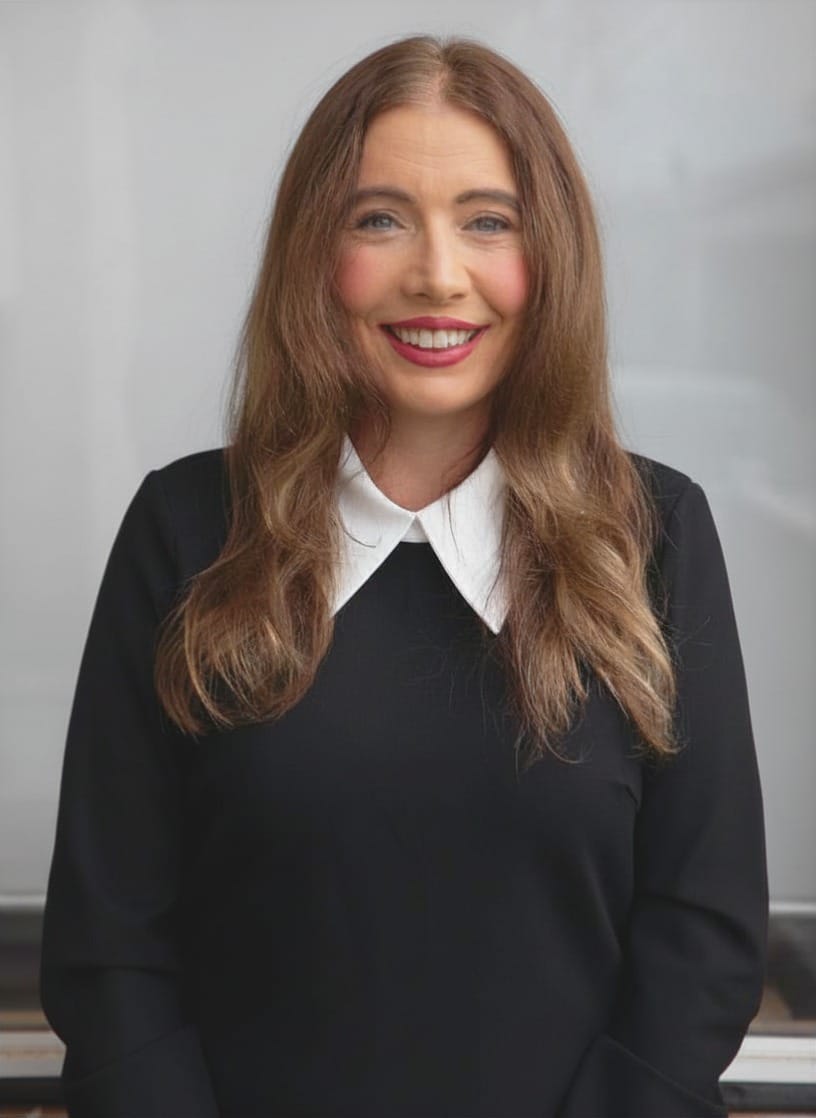
When Aleta Moriarty decided to run as an Independent Candidate for Western Victoria, she expected some level of criticism towards her policies.
However, she did not expect a full-blown social media campaign against her, with hundreds of abusive comments flooding her posts in a matter of hours.
The comments ranged from vitriol calling her “dumb f**ck slag” to denigrating suggestions she “should be taken out behind the cow shed and given a good taking”.
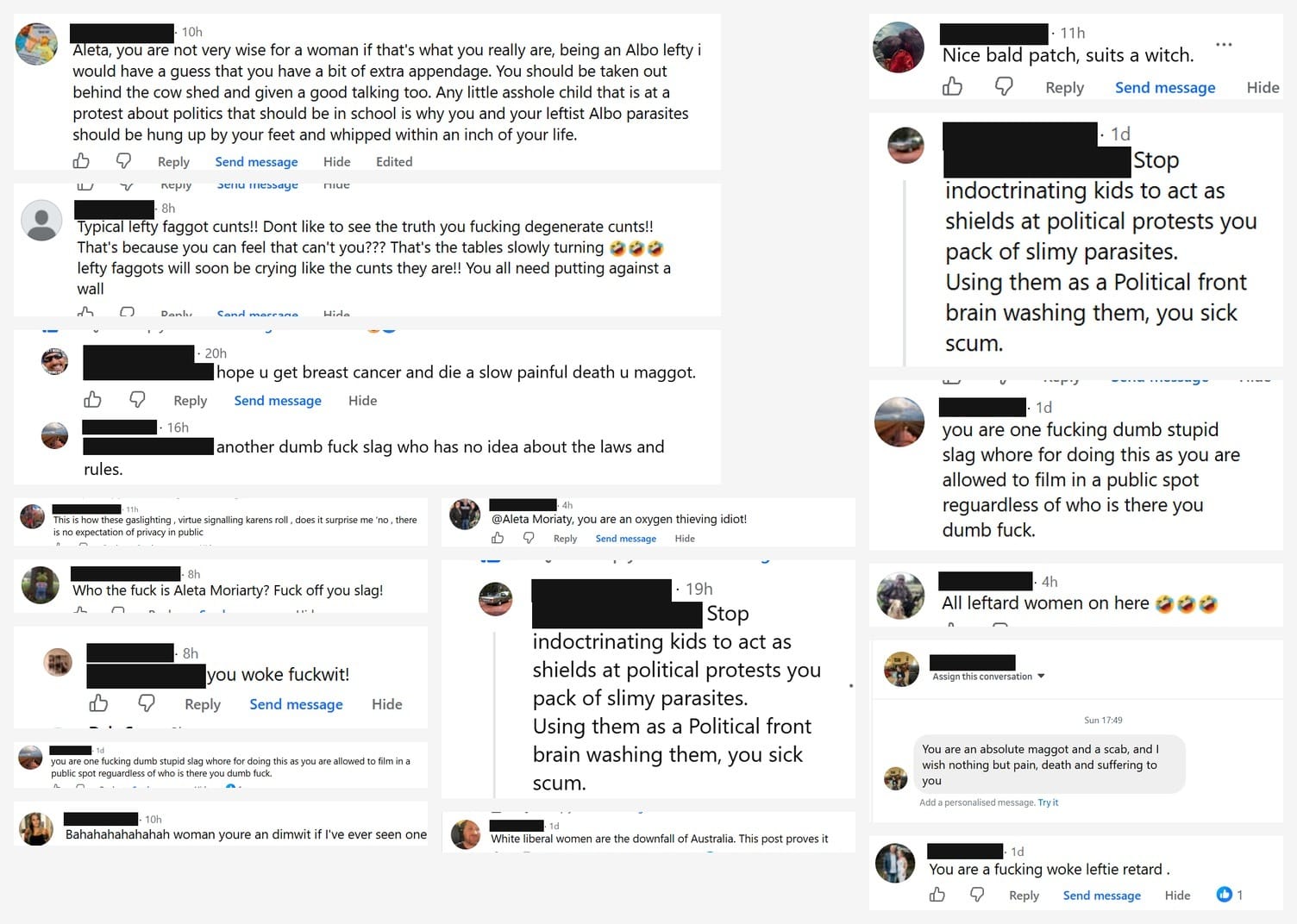
Moriarty suspects the abusive comments she receives are orchestrated by fake accounts, also known as bots.
"A lot of these comments come from accounts which have one or two followers, all making very similar comments about my appearance or insulting my credentials,” Moriarty said.
Victorian Greens Candidate Brittney Henderson said they also experience bot attacks in their comment section, often promoting sexist, racist and homophobic views.
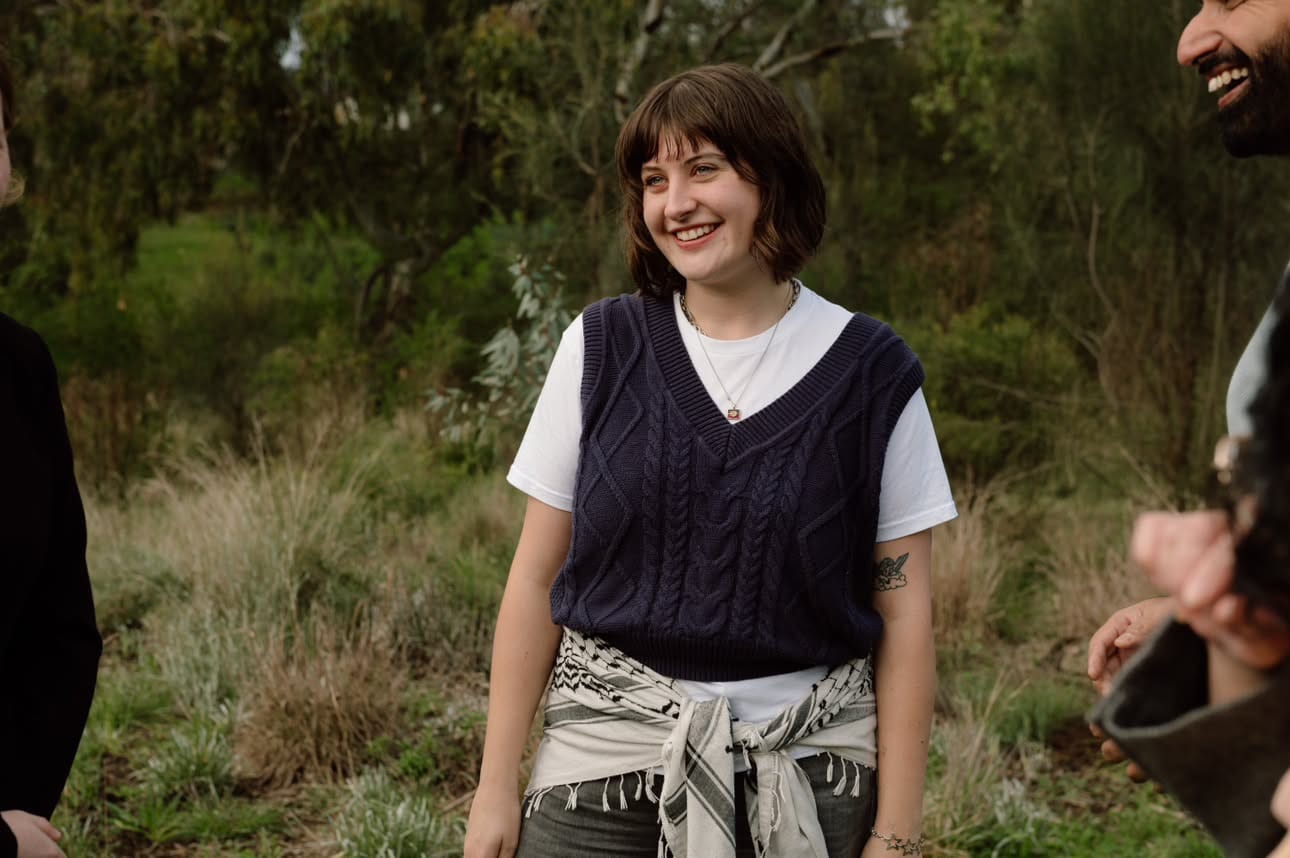
“The problem with the prevalence of these bot swarms is it normalises the vicious and cruel language being used,” Henderson said.
“[The content] also gets boosted by an algorithm which fuels a lot of the hate we’re seeing online towards marginalised communities."
A survey by not-for-profit Women For Election (WFE) found nearly 90 per cent of women experienced abuse or intimidation linked to their political participation, with 65 per cent reporting receiving AI generated abuse, deep fakes or manipulated content online.
The alleged attack on Independent MP Helen Haines has raised serious concerns around the constant stream of abuse, threats and violence elected officials, particularly women, are subject to both offline and online.
WFE chief executive Licia Heath said the use of AI has “industrialised" the scale of abuse experienced by women running for office.
“Unfortunately trolls in comments sections is not a new thing for female candidates or elected women but 12 months ago the average troll wasn’t using AI to produce 600 abusive comments in a matter of hours,” Heath said.
Abuse has a chilling effect on female politicians
Heath said the magnitude of these coordinated attacks by bad faith actors work to silence women and undermine representative democracy.
82 per cent of respondents in the WFE survey said they changed their behaviour in response to the online abuse.
"That behaviour change included limiting their time on social media and speaking to the electorate, or avoiding certain topics or even changing their physical behaviour," she said.
Moriarty said, as an independent candidate running a small grassroots campaign, she cannot afford to limit her time on social media.
“Social media is one of the key ways I engage with my community but the climate online is like nothing I have experienced before, it’s so full of anger and hate amplified by algorithms.”
Heath said there are key words and policy topics which trigger an influx of bot attacks.
“Many women [in the survey] found that if they made a comment about IDAHOBIT day, renewable energy, EVs, Harmony Day or gun reform, then automatic bots were deployed.”
Henderson said they feel being a progressive, queer, Bunurong person online often makes them a target to an onslaught of targeted bot attacks.
“It's not safe for any person of colour to be outspoken on social media,” Henderson said.
They are worried about the adverse effect this will have on the representation of diverse groups in parliament.
Heath shares this concern and is calling for greater protections for women and marginalised groups against “coordinated and well-funded attacks” online
“Hindering the representation of women in parliament has been proven to be one of the first steps taken by bad faith overseas actors to destabilise liberal democracy.”
A common One Nation pattern noticed in comments
Alongside the coordinated abusive attacks, both Moriarty and Henderson have noticed another similar pattern in the types of comments they received from fake accounts.
“I will see the most horrendous racist comments by fake accounts and at the end it will say vote One Nation,” Henderson said.
“The negative comments about either my appearance or intelligence are always coupled with One Nation propaganda,” Moriarty said.
Victorian Animal Justice MP Georgie Purcell, who has been a victim of relentless online abuse throughout her five years in public office, has also noticed this trend in her comments section.
"I often see the same comments repeated over and over again with slight adjustments under different fake profiles which all seem to tell people to vote for One Nation”.
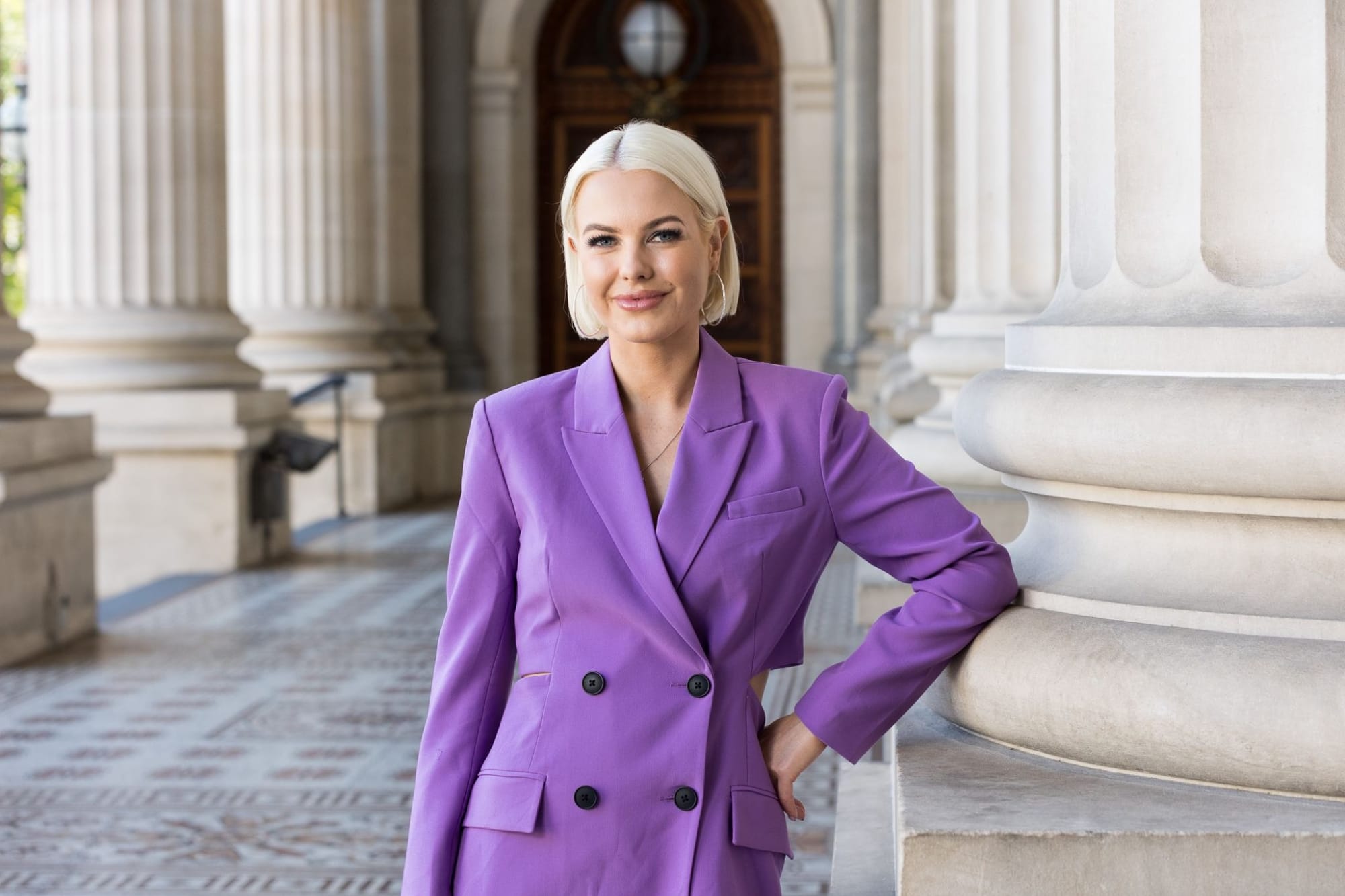
Purcell moderates the barrage of online comments she receives through an app called Social Protect, which uses AI technology to detect and delete abusive comments in real time. It removed more than 11,000 comments from her social media accounts in the past several months alone.
However, Purcell said she still struggles to combat the disinformation orchestrated by AI bots, aimed to discredit her.
She recalled a recent incident this year when AI bot swarms were spreading the false narrative she supported the Victorian government’s ground shooting of over 1000s Koalas, following a bushfire in the Budj Bim National Park.
"It was really frustrating to see that despite all my public work advocating against this very issue, these AI bot swarms were promoting the idea that I approved the killings and only Pauline Hanson will do something about it,” Purcell said.
“Once disinformation is boosted by a hundred fake accounts and the algorithm, it spreads like wildfire,” she said.
Can AI bots swing elections?
New research shows that more than half of the content we see online is made and spread by AI.
Lecturer of Computer Science and Engineering at New South Wales University Rahad Masood said AI bot swarms are supercharging misinformation and propaganda this state election.
“AI bots create the illusion of consensus around fake content or boost support for a party by making hashtags or certain viewpoints trend,” Dr Masood said.
AI researchers across the world have already sounded the alarm about the threat malicious AI bot swarms pose to our democracy.
Masood said, since 2020, AI language models have evolved to mirror human activity, making it increasingly difficult for researchers to detect and trace bots.
In its submission to the Federal parliament’s joint committee on AI, the AEC said AI makes it “more difficult for people to distinguish between authentic and manipulated content, increas[ing] confusion about authoritative sources of information”.
Purcell is hoping this Victorian Election will prompt Victoria’s own inquiry into the way AI is impacting the voting process in this state election.
“It's too late for legislation for this Victorian election, but hopefully we can learn from this election and put proper guard rails in place for next time,” Purcell said.
Both Moriarty and Henderson would like to see legislation which forces technology companies to unmask abusive bot accounts and watermark AI generated political content during election periods.
“It’s not just about protecting politicians against a few mean comments… it’s about ensuring Victorians can have genuine political debate online without interference from AI bot campaigns,” Moriarty said.


