


The composer still making music beyond the grave

Composer Alvin Lucier died in 2021, yet according to a group of exhibiting artists at Melbourne’s Now or Never festival this year, the musician continues to create.
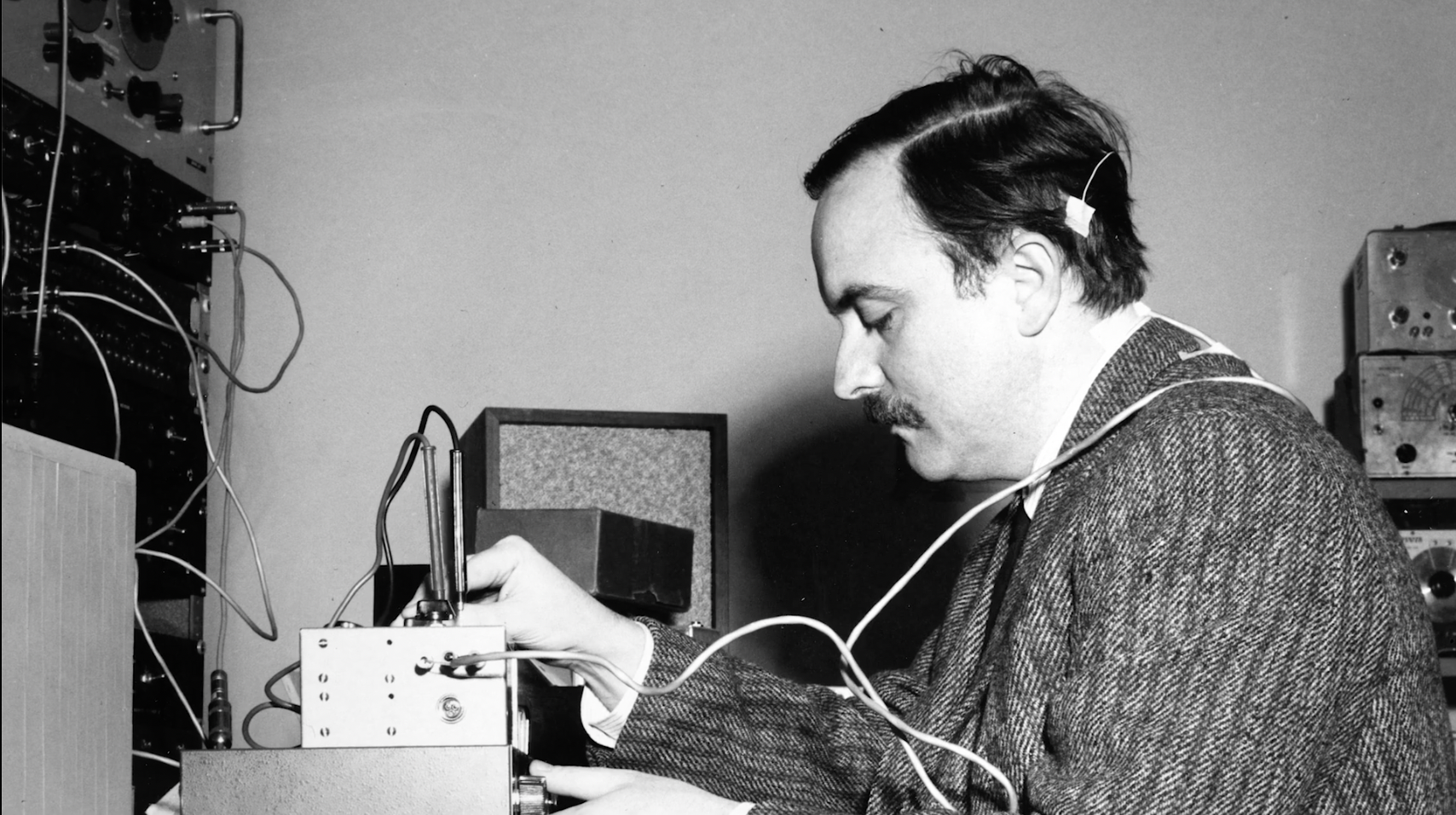
Artists Guy Ben-Ary, Nathan Thompson and Matt Gingold, alongside neuroscientist Stuart Hodgetts, claim they are still collaborating with the composer on a project they started with him before his death.
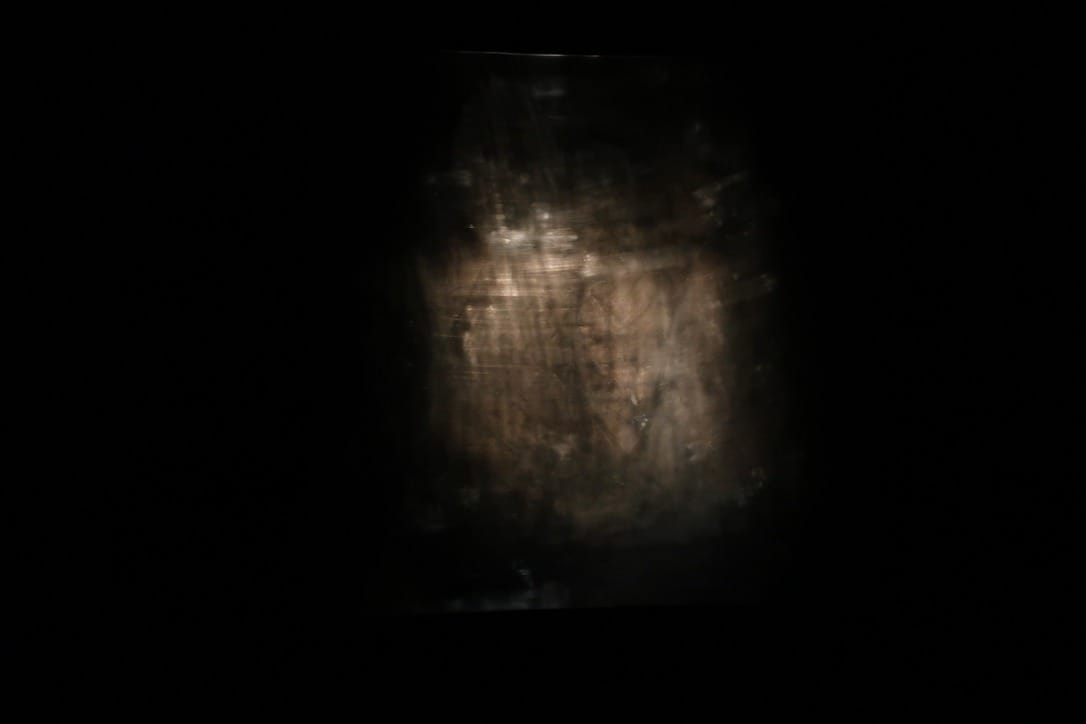
The installation project Revivification features lab-grown cerebral organoids or ‘mini-brains’ derived from Lucier’s cells which respond to the sonic landscape, producing sounds through the resonant brass materials.
The artists' intention is to extend Lucier’s artistic legacy and creative essence.
They said the work aims to highlight the emerging technology behind the project and explore its possibilities.
Prior to his death at 89, Lucier donated blood cells for the project, which the artists used to create the organoids that make up an ‘in-vitro brain’.
The organoids are connected to a life-support system that can keep them alive with minimal intervention for months at a time.
The organoids generate electrical neural activity, which is captured and translated into signals that control the installation's 20 brass plates, producing sound.
This system uses ‘wetware’, biological material used in biocomputing systems to process information.
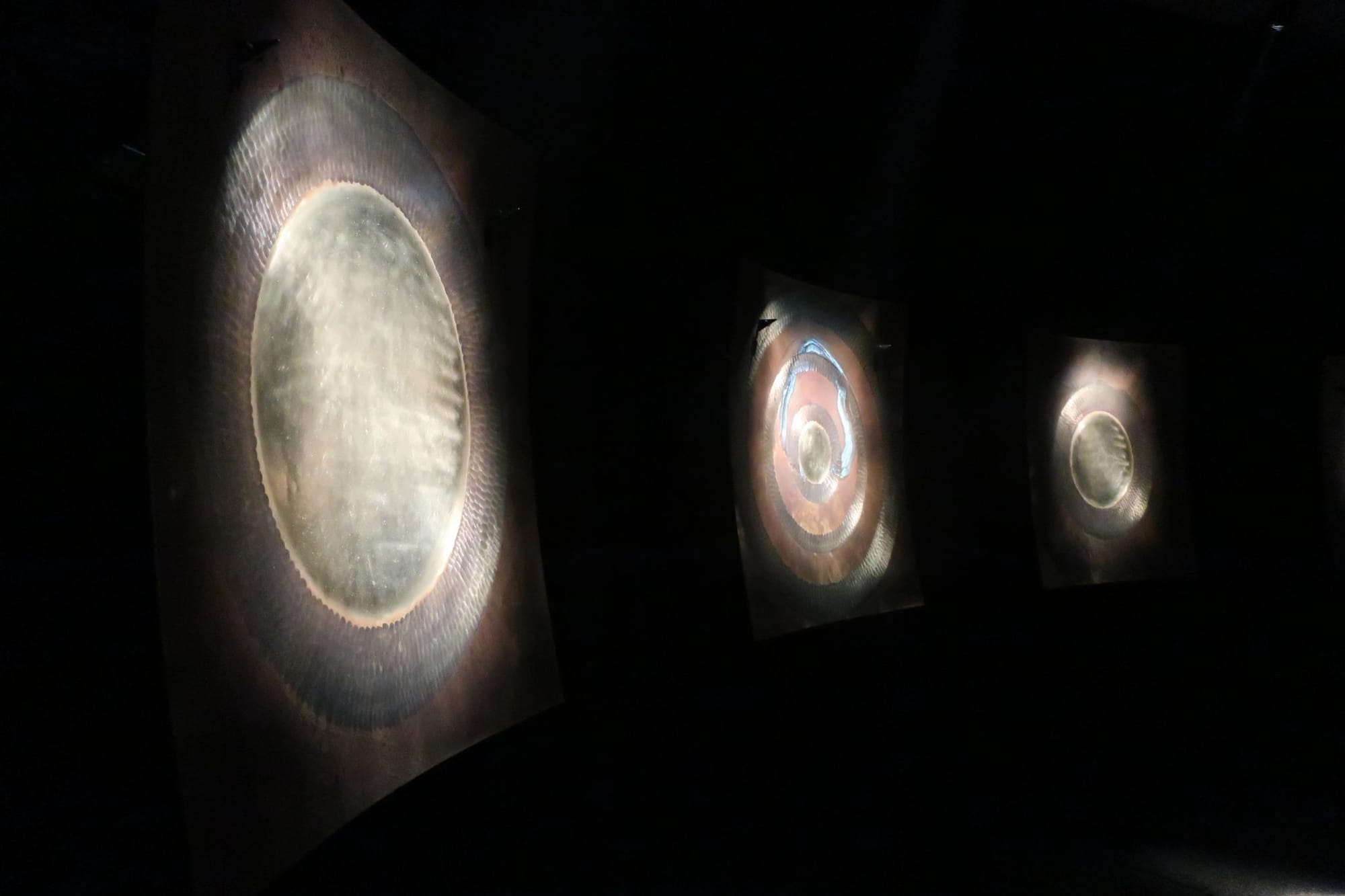
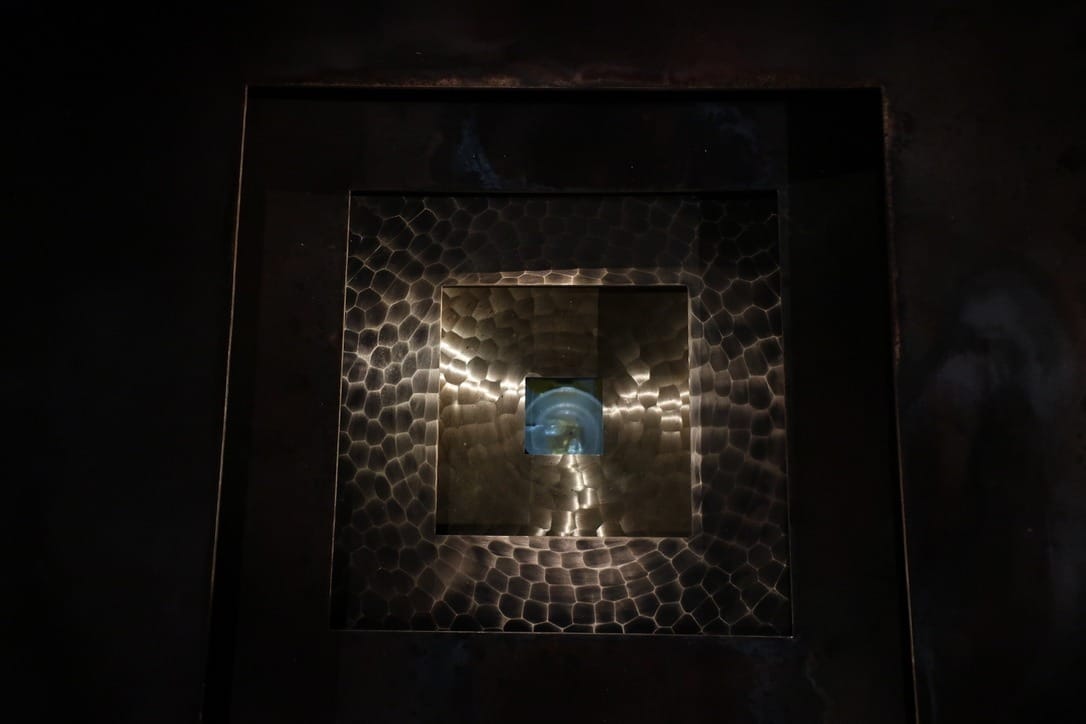
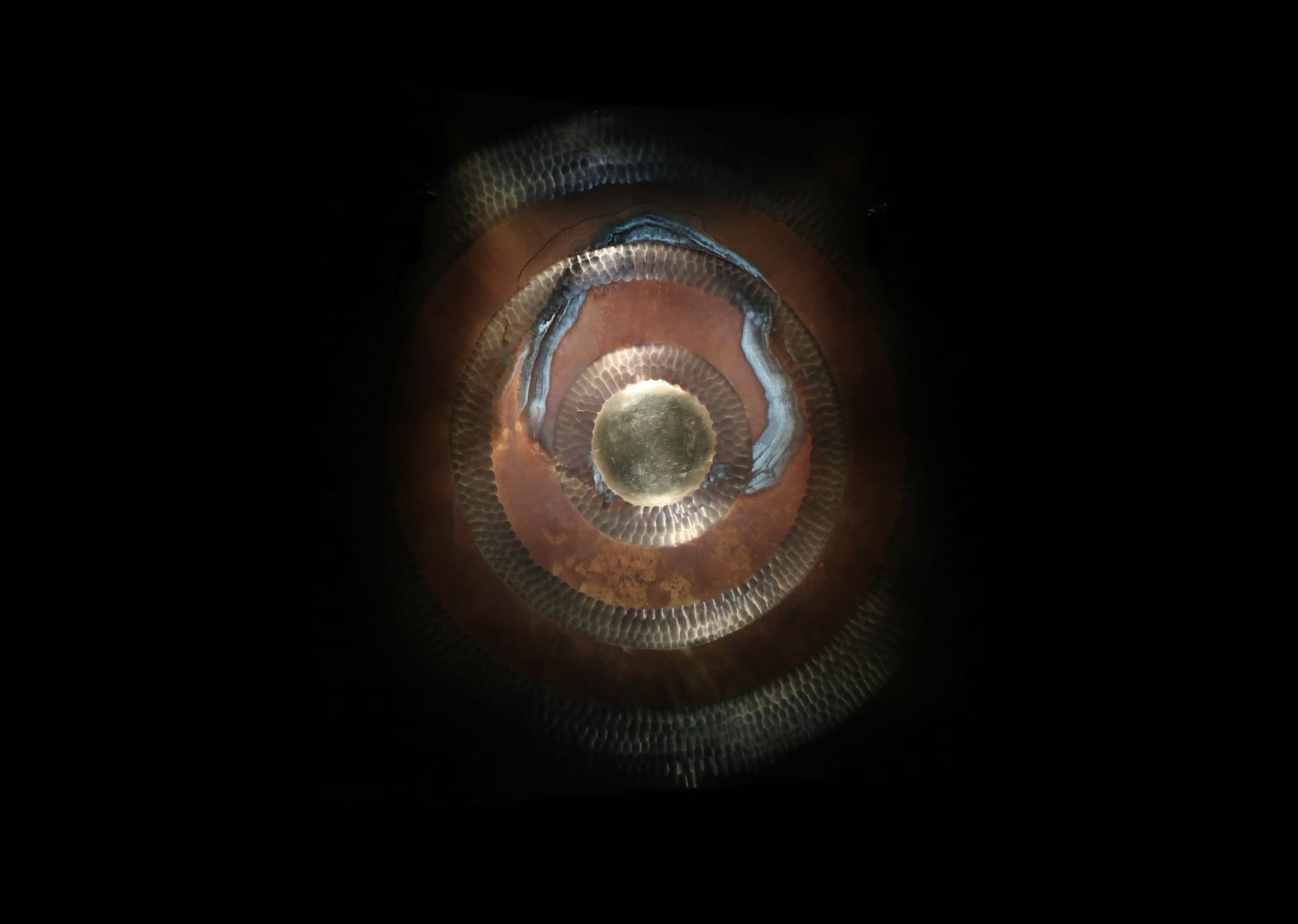
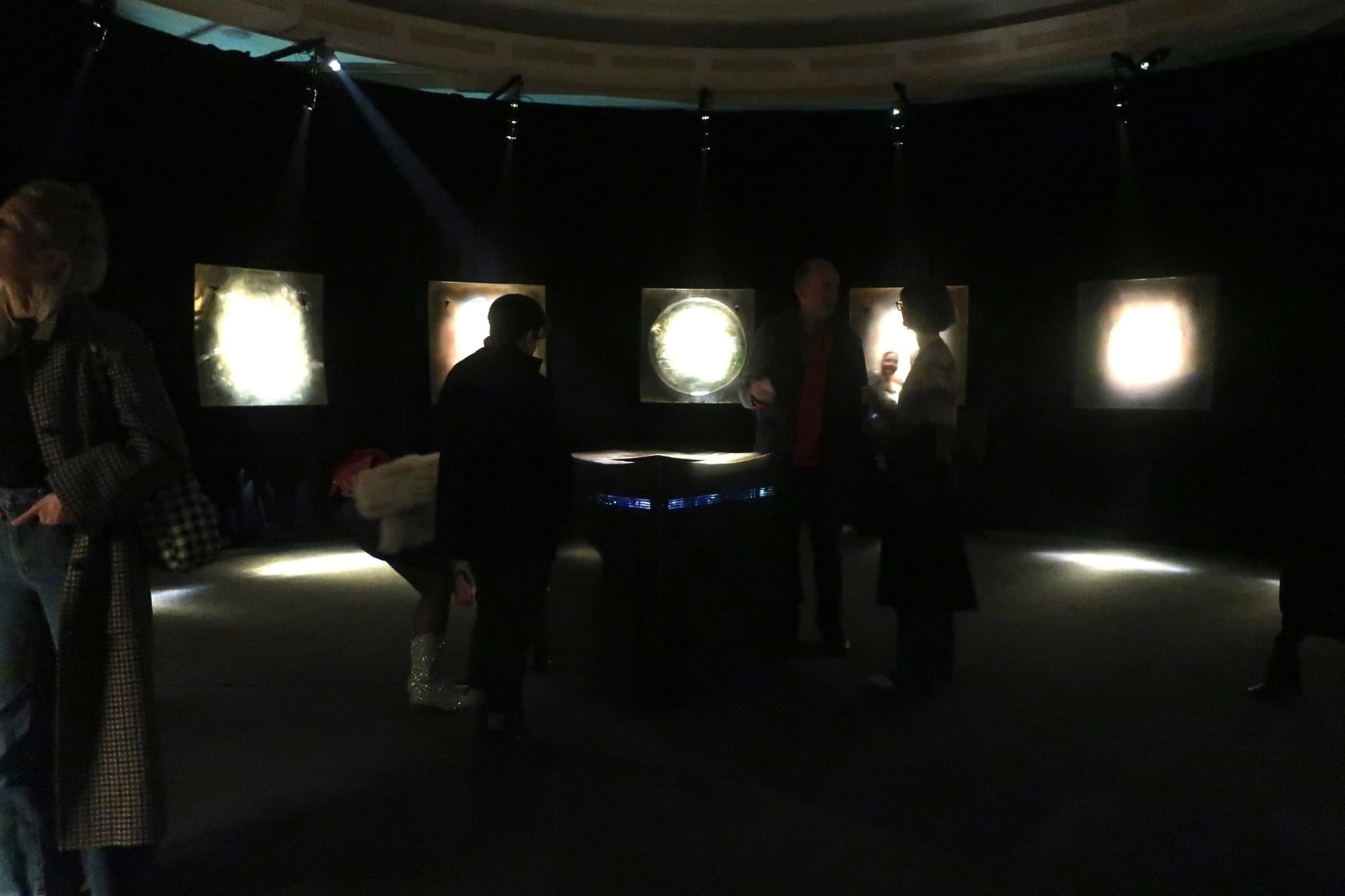
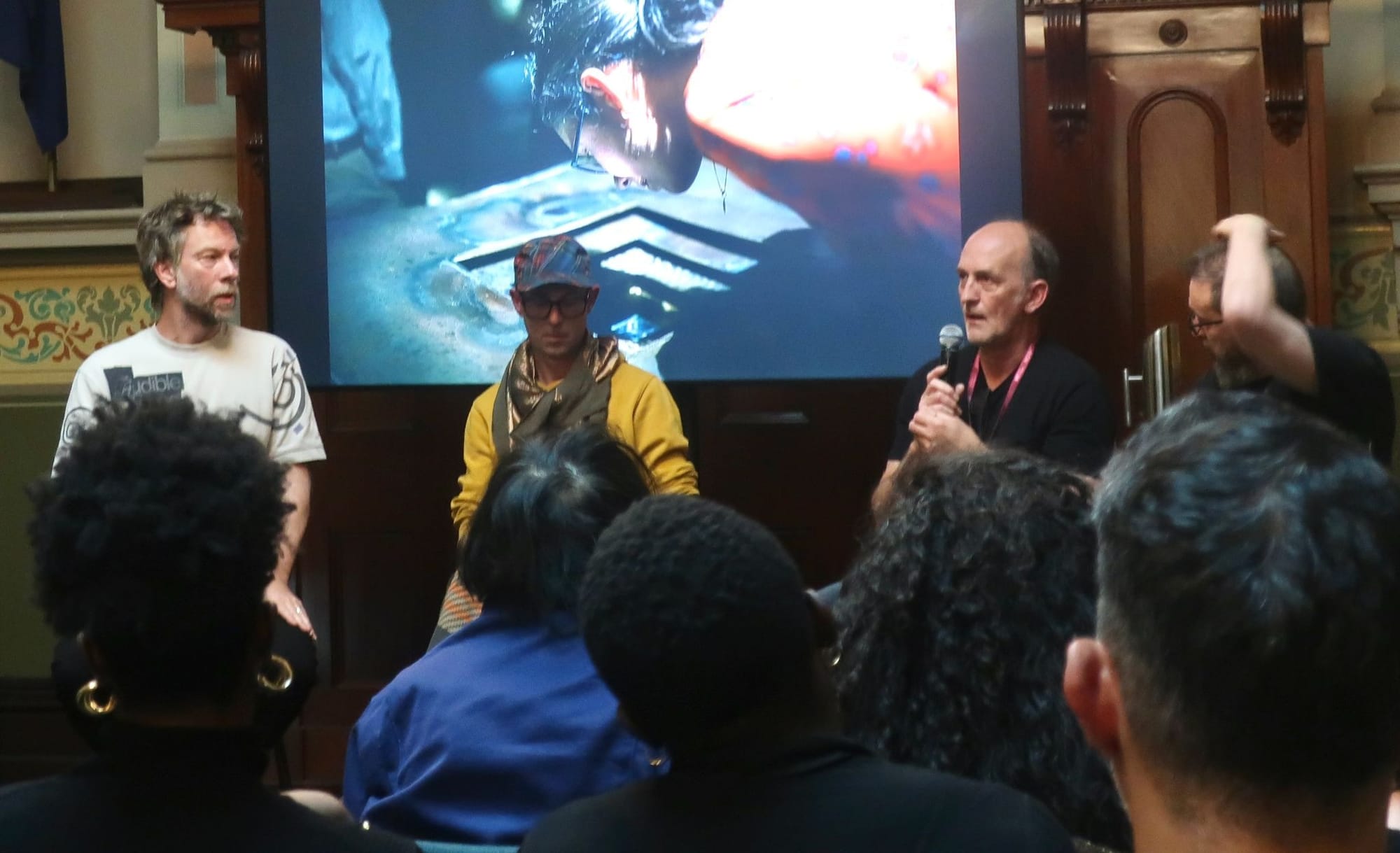
During a public talk with the artists hosted by composer Monica Lim, Ben-Ary said the project is about exploring the ethics of biology and how far, as a society, we are willing to take technology.
“We’re trying to probe the technology, not enjoy it… the point is to ask ourselves, where is it taking us?” Ben-Ary said.
The artists said their use of biotechnology for the project is intended to spark public conversations about the ethical use of biocomputing systems and the companies continuing to develop them.
Biocomputing systems which utilise human cells to function have existed since the early 2000s. One company developing the technology is Melbourne-based Cortical Labs.
Last year, the biological computing company launched CL1, a biological computer Cortical Labs claims is the world's first code-deployable biological computer. CL1 combines hundreds of thousands of lab-grown human neurons with a silicon chip to process information and perform tasks.
CL1 is now commercially available to scientists and researchers and as of this year, has been deployed in new biological computing data centres in Melbourne and Singapore.
The artists said the ethical dilemmas surrounding the use of biological systems to power technological machines are complex, particularly if those systems use human cells.
Thompson said ensuring Lucier's ongoing consent while creating the work, both when he was alive, and since his passing, has revealed a "moral circle".
Ongoing bioethical considerations – including consent – surround the project, adding another layer of complexity given Lucier can no longer consent to his continued participation.
Lim then asked the panel, “given ethics is an ongoing process, how can you ensure consent continues?”
Ben-Ary said they initially sought permission from Lucier's daughter to pursue the project and have since continued conversations with her following her father’s death to understand how her perception of the work may have changed.
He said if at any point those closest to Lucier weren’t comfortable with the project continuing, they would stop the exhibition.
Another ethical question raised by the exhibition is whether human brain cells used in biocomputing could eventually develop consciousness.
If a network of cells could develop consciousness, it would raise further ethical questions about sentience and the capacity to experience sensations.
Research from Johns Hopkins University noted that, given there is no scientific consensus on exactly how consciousness arises, it is difficult to determine whether an advanced organoid could ever become conscious.
The review argues that as researchers make organoids increasingly more sophisticated, there is a growing need for proactive ethical oversight and governance frameworks.
Hodgetts said the key question the artists want the audience to consider is whether the organisms could develop intelligence, along with the myriad of issues surrounding that possibility.
“Artists promote the discourse in these conversations around how far we should go and the conversations are critical.”


