

Monash students’ outrage over life-threatening potholes impacting student safety


Monash University students are joining the call for better management of Victoria’s pothole epidemic after the death of Peter “Tiki” Mason in September this year.
The 71-year-old Ballarat man died after his motorcycle reportedly struck a pothole on a regional Victorian highway.
Alongside heavy traffic conditions and on-campus parking costs as high as $7.60 daily (up almost four per cent since March 2026), potholes are contributing to the stress of Monash students’ day-to-day commutes.
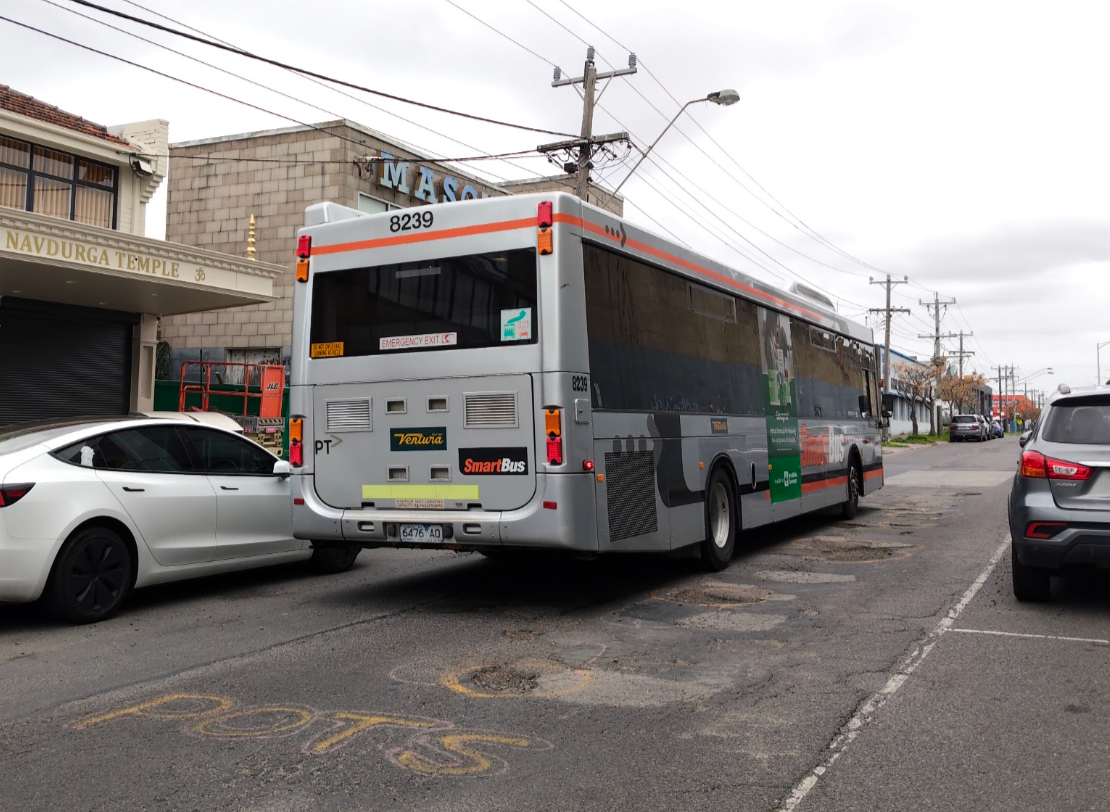
First-year Monash University student and Bundoora resident, Nathasha Jayasuriya, often swerves her car to avoid dangerous potholes on 80-100km/hr roads, risking damage to her car.
“Everybody's trying to avoid them, and I feel like sometimes on certain roads, trying to avoid a pothole can actually lead to another driving risk, even accidents sometimes,” Jayasuriya said.
“You can imagine when you’re driving that fast… hitting such a deep pothole really can be quite dangerous.”
On Snap Send Solve, a popular pothole-reporting tool Australia-wide, more than 40,000 pothole reports in Victoria have been recorded in the 12 months leading to September, a 57 per cent increase from September 2025.
Snap Send Solve directs all pothole reports from the community to the relevant authority responsible for fixing them.
The pothole that is alleged to have claimed the life of Peter Mason was one of the 40,000 reported to Snap Send Solve, and was reported 16 months prior to his death.
Victorian drivers, including students, face little compensation for damage to vehicles caused by potholes. According to government documents provided to the ABC under Freedom of Information laws, and data from Drive, the Victorian Department of Transport has only paid out 23 compensation claims in the past two financial years, totalling $223,834.
First-year Monash University student, Monique Lane said a key issue for them was the lack of awareness about where to report potholes.
Local councils only have authority to fix potholes on municipal roads, and the remaining potholes are under the Department of Transport and Planning’s responsibility and are reported to VicRoads.
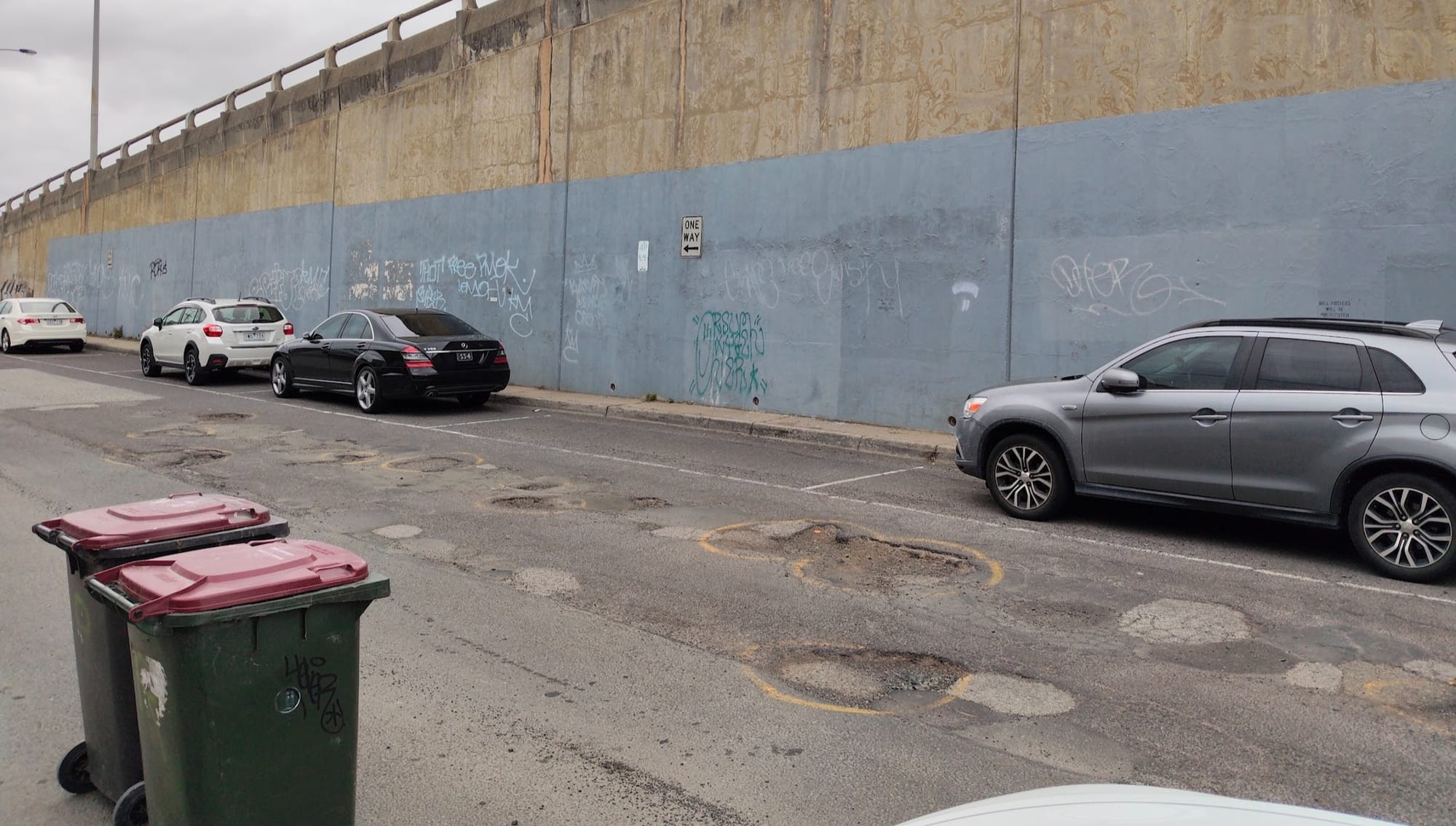
Huntingdale Station is a common route for students travelling to Monash University’s Clayton campus. The pothole strip at Huntingdale Station falls under the responsibility of the Department of Transport and Planning, instead of the local council, because it is an arterial road.
The potholes along North Road in Huntingdale were reported three months ago, with only some repaired as of last month toward the end of the final 2026 semester.
Potholes add to existing safety concerns on key routes to Monash campus, where RACV’s 2025 ‘My Melbourne Road’ survey found the intersection between Dandenong Road (Princes Highway) and Warrigal Road among the most dangerous in south-east Melbourne.
Monash psychology graduate, Dishita Garg, lives in Dandenong and believes potholes on Victoria’s main roads must be prioritised by the State Government.

“Dandenong Road is definitely a priority, anywhere towards the city or from the city is a priority, because these are roads that are used every day and they're high-speed limit roads,” Garg said.
Victoria’s pothole crisis is a major issue in the upcoming state election in November.
The Labor government has budgeted for an additional $352 million to fill a target 500,000 potholes by January 2027, with Victorian Premier Ben Carroll announcing on August 30 that this doubles the initial target of 250,000 potholes.
The Coalition has also promised to invest $5 billion to repair Victorian roads and potholes if elected in November.
However, Jayasuriya is more concerned about how quickly the potholes are repaired than who is responsible for fixing them.
“I really do believe that the sooner they're fixed, the safer the roads."
“With more appropriate delegation of funding and proper road maintenance, lives such as Peter “Tiki” Mason’s could have been spared,” Jayasuriya said.
For further queries about pothole emergencies or assistance, you can submit a report to VicRoads or call their 24/7 hotline on 13 11 70.


