


Kept in the dark: Communities unheard in Victoria’s housing plans

The date palm outside of Beth Hulme’s window could be removed any day now.
Next to her home on Raleigh Street in Windsor, a panelled wall declares the construction of a nine-storey luxury development, greenlit by the City of Port Philip.
Hulme said the date palm sits right on her building’s boundary line, but developers want it removed at the residents’ expense.
“There's been some heavy-handed behaviour,” she said. “I feel a little bit concerned that they're just going to go ahead and knock that tree down without approval.”
The development received 21 objections, according to an agenda from February 2025 by a Port Philip Council planning committee. It detailed that a consultation meeting was held on 10 December 2024, but the meeting “did not result in changes” to plans.
“I remember sitting there halfway through the meeting thinking, ‘Oh, they're going to approve it, there’s nothing we can do here,’” Hulme said. “We have a strip of garden on that side of the apartments as well, and I imagine that’s not going to survive.”
She said residents felt “deflated and resigned” after the meeting ended.
“Although we had a moment to speak in that meeting, it did feel like, once the approval was handed down, that they were just ticking boxes,” she said. “It felt quite futile.”
What happens behind ‘community consultations’?
Hulme is one of the many residents living in Melbourne’s inner south-east suburbs, prepped for rapid development as part of the Victorian government’s Train and Tram Zone Activity Centres program.
The program, which reached Stage 2 of its planning in February, would introduce new density limits in areas close to public transport, jobs, and services.
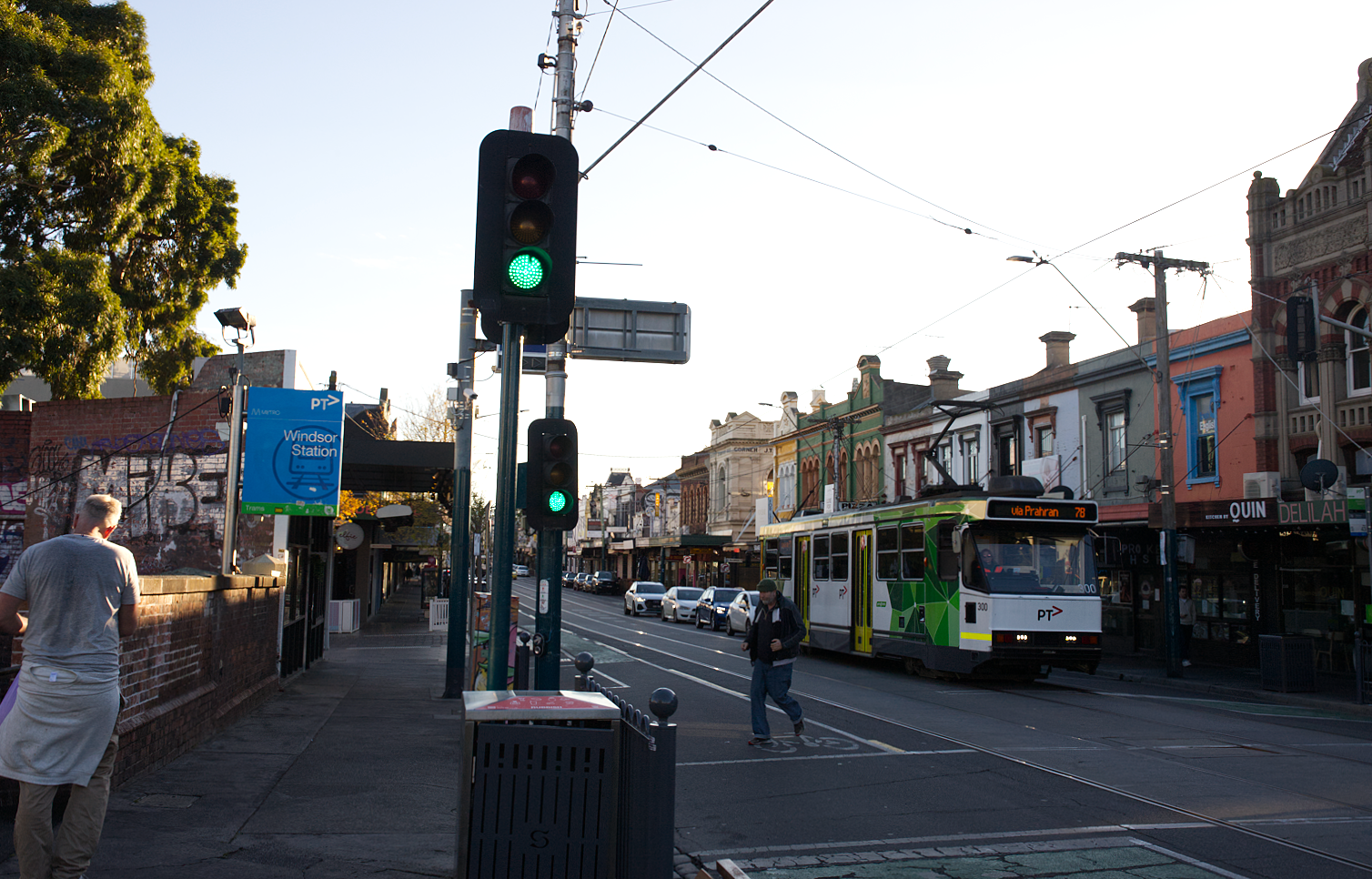
Public consultations were held from February to March. The Department of Transport and Planning website said that public consultations would allow communities to provide feedback on draft maps of the activity centres. The maps highlight new multi-storey housing areas across South Yarra, Windsor, Caulfield, and other suburbs connected to train or tram lines.
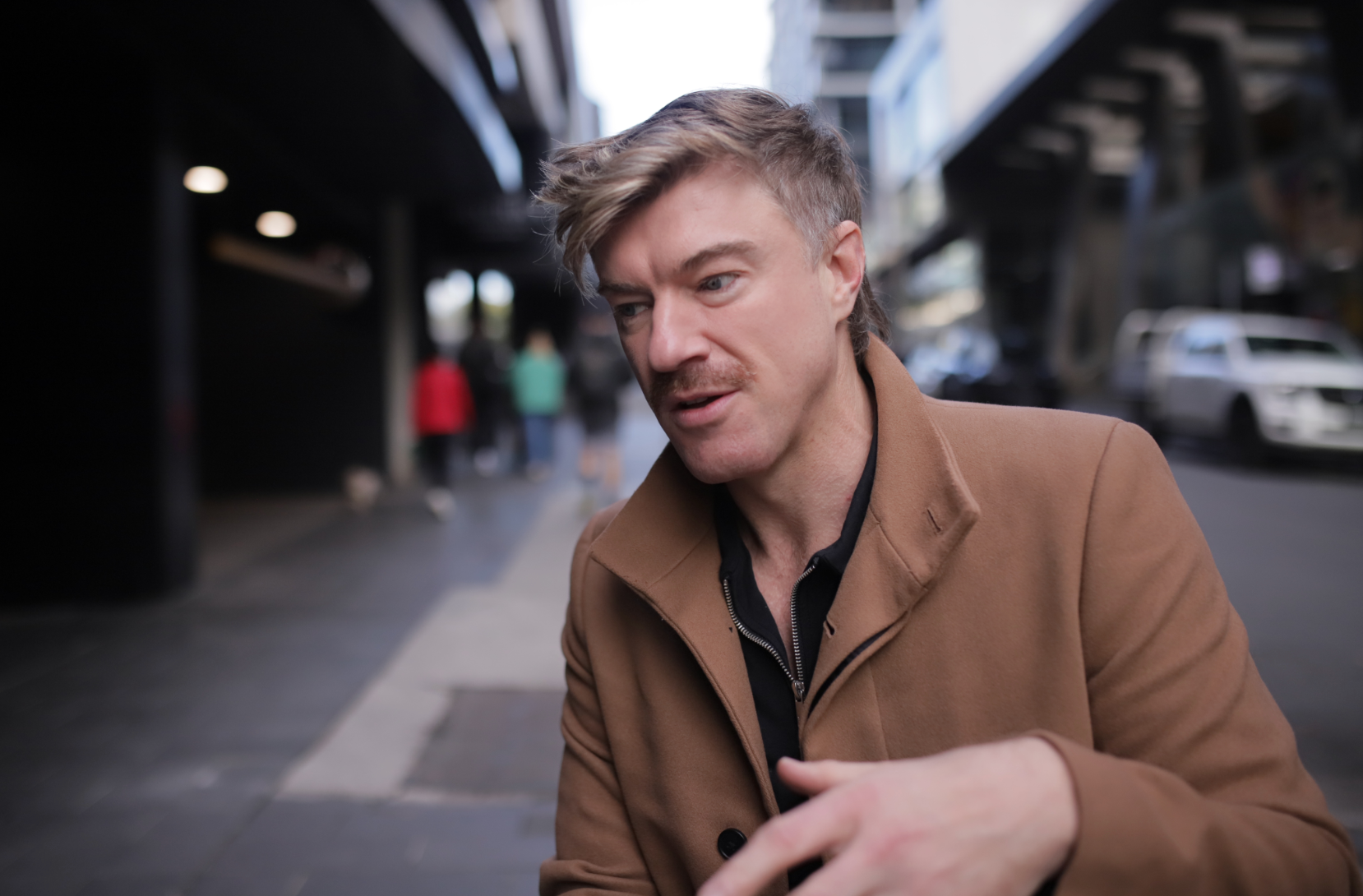
Clinton Barnes, a South Yarra resident, was selected as a participant to the program.
Barnes attended one of their full-day consultations, where he said the maps were “confusingly explained”.
“When you ask them a direct question, they don’t give you a direct answer,” he said.
He said residents understood the need for density, but their questions about heritage overlays and access to public services were left unaddressed.
“No one’s against density, they’re against density done badly,” he said. “Towards the end of the day, there was definitely a negative shift of, ‘I don't think this is going well.’”
According to emails supplied by Barnes, the sessions were run by a company called MosaicLab. Barnes was told that a summary of the consultation, which was held on Saturday and Sunday, was expected on desks by Monday.
“There's no real community consultation,” he said. “It just ultimately becomes developer-led, because no one actually knows how to talk to the community.”
MosaicLab responded to a request for an interview, but declined to provide further comment on the project.
Good precedents exist, but Victoria lags behind
Katherine Sundermann, architect and Senior Lecturer of Urban Planning and Design at Monash University, said the challenge in the Activity Centre program has to do with a “top-down” culture.
“What I’ve noticed is that the reports have been produced and dutifully put on the website, but there’s no change to the plans based on that community feedback,” she said.
Sundermann has been studying the secrets behind creating liveable neighbourhoods across Australia and globally.
This includes the neighbourhood of Ku-ring-gai, a suburb in Northern Sydney named part of New South Wales’ Transport Oriented Development (TOD) program.
Like Victoria’s activity centres, TOD began with the government circling areas around train stations. The difference, she said, is how Ku-ring-gai Council responded to community needs.
“They went out and asked their residents, ‘What do you care about?’” she said. “The residents said, ‘We like trees… We don’t want them to be cut down for new development. We like our heritage buildings.’”
After rounds of feedback, Sundermann said Ku-ring-gai integrated elements of a liveable community, such as affordable housing and open parks.
However, her research suggests some challenges may stand in the way for Victoria to replicate Ku-ring-gai’s success.
“We have had a state government that is working to their very tight, self-imposed deadlines,” she said.
According to Sundermann, the roll-out of the activity centres felt comparable to Victoria’s Level Crossing Removal project, which drew criticism in earlier stages but became popular once completed.
“I think that it's a very different type of project,” Sundermann said. She highlighted that while the state government had directly removed level crossings, they are not the ones delivering housing for Victorians in the target suburbs.
The department’s website said the Activity Centres program is used for considering where new homes can go, not to build homes or acquire land. Rather, the new rules aim to “make it easier” for property developers to build.
Rising costs complicate this reality. “The cost of construction is so high at the moment that only luxury housing is being built,” Sundermann said.
Plans from the Stage 2 consultations were finalised in July, according to The Department of Transport and Planning website. The Department’s timeline suggests that the government will collect Infrastructure Contributions Plans (ICPs), a standardised levy for property developers, beginning January 2027.
Communities want more say
Grassroots organisations such as Liveable Victoria reflect communities’ demands for greater involvement.
“Liveable Victoria is a coalition of 23 community groups: Save Armadale, Fair Growth Thornbury, all of these little groups that have come up in response to the Activity Centre program,” Sundermann said.
She said deliberative processes are a good step, but governments must ensure communities can make concrete decisions about how neighbourhoods are transformed.
“The scope of where the community was able to influence was too small,” Sundermann said. “For a process to be truly deliberative, some of the decision-making has to be given to that community.”
For residents like Beth Hulme, it starts with being heard.
“All those things can still be achieved without disregarding existing buildings and existing people,” Hulme said.
In her spare time, she uses one of the rooms in her home as an art studio. A large window gives her paintings their natural light.
“It’s quite an important and significant part of my life,” she said.
The palm tree remains outside her window. The sunlight, for now, is still flooding in.


