


Australian women twice as likely to die from asthma, research finds

Recent research has found Australian women are not receiving adequate asthma care, despite being twice as likely to die from their condition as men.
It’s part of a broader trend of medical misogyny burdening Australian women, over two-thirds of whom report experiencing discrimination when seeking medical care.
One in five Australian women live with asthma, and more than half say it causes them high psychological distress, anxiety or depression.
Despite being more at risk, women remain frequently under- and misdiagnosed, and their asthma is rarely managed as effectively as men’s.
Asthma Australia CEO Kate Miranda believes systems must start using their time and resources to address gaps in gendered experiences of the condition.
“We’re not asking for a new system or new appointments,” Miranda said in a statement.
“We’re asking for opportunities to identify worsening asthma earlier and help prevent avoidable poor health outcomes.”
Professor John Blakey, Asthma Australia’s medical advisor, said recognising the differences in how women experience the condition is crucial to improving health outcomes.
“When you look at the data showing higher prevalence, psychological burden and poorer management indicators, it reinforces the need to integrate respiratory reviews into routine care at key life stages,” Blakey told attendees at the launch of the She Needs to Breathe campaign.
Women-led response
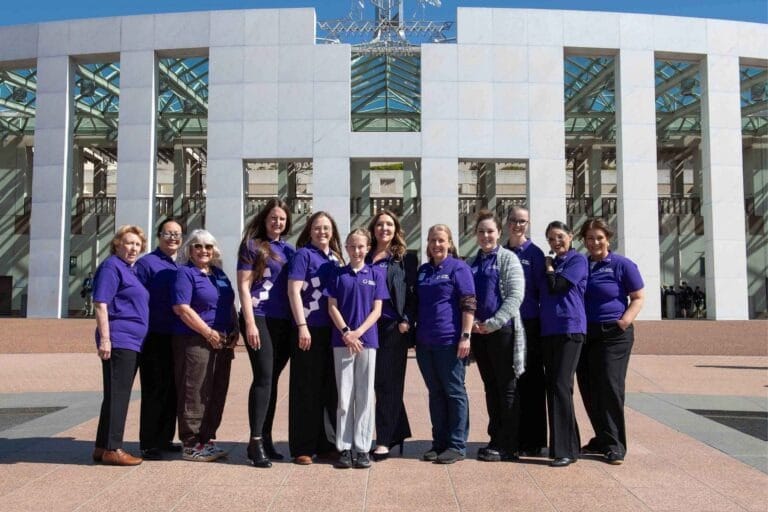
In September, Australian women living with asthma appeared at Parliament House, demanding the Federal Government build respiratory health checks into their standard care.
Many referenced having their symptoms dismissed or misattributed to conditions like anxiety, aging, and menopause.
Asthma Australia argues women must be at the centre of the response to the asthmatic crisis affecting the nation.
She Needs to Breathe ambassador Liz Ellis AO hopes that with greater awareness and more comprehensive assessments, Australia can provide life-saving treatments to women with the condition.
“Women are finally talking openly about hormones and menopause. Asthma needs to be part of that conversation too,” Ellis said.
Thunderstorm asthma
Multiple high-risk thunderstorm asthma and high-pollen warnings have been issued this month, including two within the last week.
The National Asthma Council Australia suggests those diagnosed with the condition should use their preventers before the pollen season starts each year and continue until pollen levels fall.
But research from the Australian Centre for Airways Disease Monitoring reports that just 66 per cent of Australian women have actually used preventative medication in the past 12 months.
Climate change has accelerated plant pollen production, meaning hay fever seasons now last up to two weeks longer and affect more people.
Australian asthma organisations are concerned the number of emergencies and tragedies resulting from the condition may grow, as severe hay fever seasons become the norm.
If you are experiencing shortness of breath, chest tightness, coughing and/or wheezing attacks, experts encourage you to seek medical attention.


