


Regional Victoria’s ice addicts are being frozen out

When he left a Victorian jail in 2015, Tyson Crichton was six months sober.
He hoped life would be straightforward once he was out.
“I said… 'I’m not touching ice again’. I was done with it,” Crichton said.
“And I think I was maybe two days out of jail when I was back on it.”
Crichton’s recovery was aided by a therapeutic community, but very few Victorians can access this vital resource.
When Crichton, now 36, was in his early 20s, the news cycle was often taken up by stories of an ‘ice epidemic’ in regional Victorian towns such as Mildura, Shepparton and Wangaratta.
Ice, also known as crystal meth, is a highly addictive illegal drug which can make the user violent and lead to psychosis.
Crichton said his home town of Albury-Wodonga was rife with ice.
“It was everywhere, and regularly available,” he said.
“It was very normal for every single house in the street to be on drugs. You’d be lucky for three households in the street that weren’t.”
While press coverage of ice plaguing regional towns has decreased since the mid-2010s, Australia continues to see a steady increase in methamphetamine consumption across both regional and rural areas.
Data from the National Wastewater Drug Monitoring Program shows ice usage hit record highs at both state and national level in 2025.
Using ice became so normalised in Albury-Wodonga that Crichton said it was hard to realise he was an addict.
“I didn't think it was a problem until I knew that I was craving."
A 2025 report from the Coroners’ Court of Victoria showed that drug overdose deaths in the state are at a 10-year high.
Methamphetamine-related deaths rose by 183 per cent over that same period.
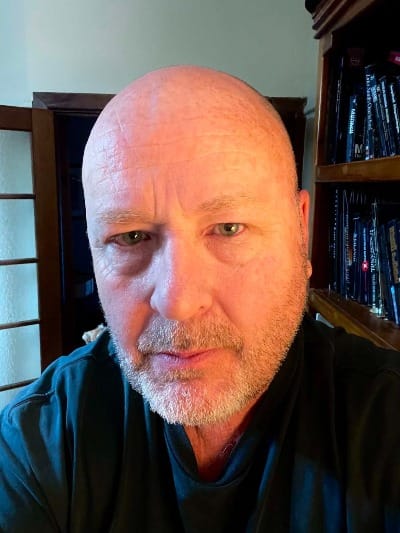
Andrew Hick, an addiction expert who has spent more than half of his adult life supporting people experiencing drug addiction, said it is clear why those left behind in the regions turn to drugs.
“The less educated they are, the more difficult lives they lead, the less access they have to high-paying jobs, to services, to things that may make their lives better,” Hick said.
“You’re bored, you’re unhappy… why not use ice.”
For young regional Victorians, the rate of ambulance callouts directly relating to ice is similar to metro areas, though for all drugs it is consistently higher.
“They’re kind of the disenfranchised of Australia,” Hick said.
“The further you get from those urban centres, the poorer it becomes.”
Hick spent 20 years as manager of the award-winning Circuit Breaker program at Odyssey House Victoria, where, according to their website, 34 percent of clients refer to ice as their primary drug of concern, second only to alcohol at 40 percent.
The program, based near Benalla, is one of a handful of therapeutic communities (TCs) in the state.
TCs provide live-in residential rehabilitation, balancing group therapy with work (such as cooking, cleaning and maintenance) and recreation.
Giving structure back to residents’ lives was a key responsibility for Hick.
“One of the things I had to do was plan everyone’s day, including the staff, from 7 o’clock in the morning till 10:30 at night,” said Hick.
“Following routines…reduces anxiety and helps people.”
Crichton had tried other forms of rehab after leaving jail, but it was not until he went through the Circuit Breaker program in 2018 he said he truly felt comfortable.
“I’d never experienced that normality,” Crichton said.
He highlighted working with staff who had their own lived experiences of addiction as particularly important.
“If you just have people who had no idea of addiction… it would not be good.”
While there are day-to-day staff who can share their history with residents, Hick said change is also needed higher up.
“There should be far more people who have a lived experience of addiction running those programs, and as senior managers and as senior executives,” Hick said.
For the impressive services that TCs can provide, Victoria has a shortage of beds.
When Crichton was resident in 2018, Circuit Breaker had only 15 beds and a waitlist of over 100 people.
Despite a recent expansion increasing the capacity in Benalla to 35 beds, Victoria still lags behind NSW, a state with similar regional ice consumption rates.
It has left Crichton frustrated at times.
“It'd just be nicer to see that it wasn't a three or four month waiting period,” Crichton said.
Hick said securing funding for drug and alcohol rehabilitation facilities over the years has been “stressful”.
Circuit Breaker, which receives the bulk of its funding from the state and federal governments, was forced to close twice in its early years due to cashflow issues.
The Victorian government has committed to providing increased support to regional facilities.
This year’s state budget allocated $104 million to initiatives designed to reduce alcohol and drug-related harm, part of the government’s 10-year health plan.
Now, eight years post-recovery, Crichton is enjoying working for Nestle, and continues to benefit from the structured life that he gained by graduating from a TC.
He still remembers how disorientating it was to be released from prison with little guidance, and he wants to see a greater focus on getting support to addicts in the regions.
“There isn't a great deal of help for people when they get out,” he said.
“Most people go back to the same place they came from… so they do the same thing they've always done.”
Drug and alcohol support services:
National Alcohol and Other Drug Hotline on 1800 250 015
DirectLine on 1800 888 236
Youth Drug and Alcohol Advice service (YoDAA) on (03) 9415 8881


