


What caused five of the Iranian soccer team to return home?

The backflip from five of the seven members of the Iranian women's soccer team granted asylum in Australia has met with questions as to how the government protected the women from being pressured into returning to Iran – and if there were influences from Iran stopping them.
A fifth member of the Iranian team decided to return home to Iran last month, after seven applied for and were granted emergency asylum and humanitarian visas during the Asia Women’s Cup in Australia.
Their applications for asylum came after members of the team refused to sing the Iranian national anthem during their match against South Korea on March 2.
Home Affairs Minister Tony Burke said the federal government tried to exclude any coercive voices that could have influenced their decision.
“While the Australian Government can ensure that opportunities are provided and communicated, we cannot remove the context in which the players are making these incredibly difficult decisions,” Burke told the ABC.
Monash University senior lecturer in history Dr Aydogan Kars said “the Islamic Republic has a track record of blackmailing dissident voices”.
This was on show when the players chose not to sing their national anthem as a form of protest against the Iranian regime.
Kars said the threats “target family members” and that said threats “tend to be unofficial and informal”.
These threats are likely to have been some of the most compelling reasons that led the Iranian women to change their minds on pursuing asylum in Australia, he said.
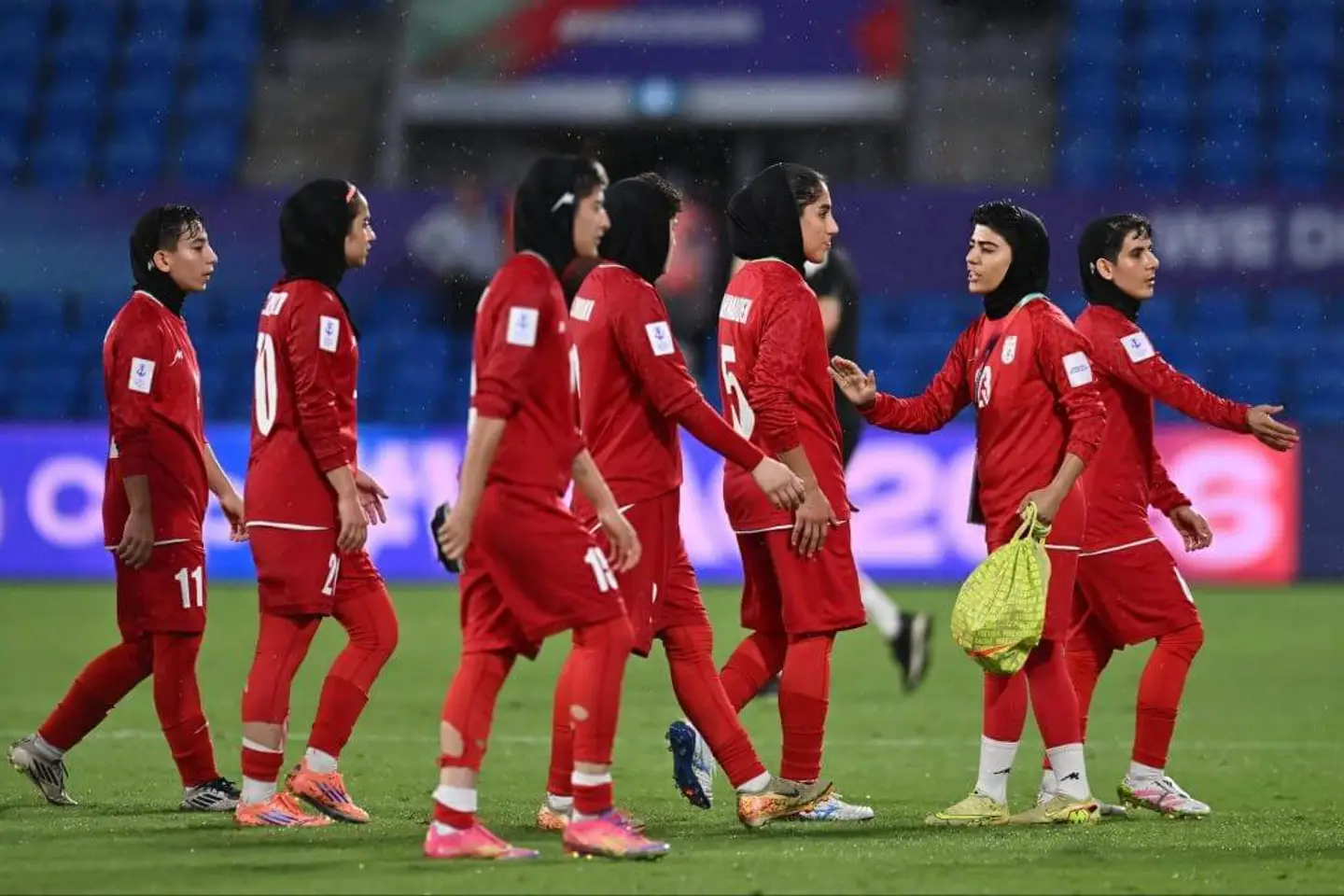
The five players travelled to Kuala Lumpur to reunite with their other team members who did not pursue asylum in Australia, ahead of their return to Iran.
The team members already in Malaysia were approached by activists urging them to reconsider their decision, reminding them they have options before returning to Iran.
Speaking to the ABC, Raha, an anonymous Iranian activist in Malaysia who previously fled Iran, said she had spoken to one of the players.
Raha said the player told her the team members “want to go to [their] families, and they have told [them] to come back”.
The players who decided to return to Iran were given multiple opportunities by the Department of Home Affairs to rethink their decision but declined any alternatives.
Meanwhile, Dr Kars said American interventionism creates and directly influences a “vicious cycle” of oppression in Iran.
He said the ongoing war between the United States and Iran perpetuates the oppression in Iran.
The International Federation of Association Football and the Asian Football Confederation have come under fire for not taking proper precautions to implement preventative measures that protect members of the women’s team.
They have been urged to take action prior to the men’s World Cup in the US and to protect the Iranian men’s team.
The women's team members who decided to return arrived in Tehran on the morning of March 19 were welcomed as "children of the homeland" by Mohammad Bagher Ghalibaf, the house speaker of the Iranian Parliament, on X.
The two remaining team members in Australia were recently seen playing with a team in Brisbane.


