

Where do disabled Victorians stand this state election?

Advocates say disabled Victorians are once again feeling forgotten in the run-up to this state election.
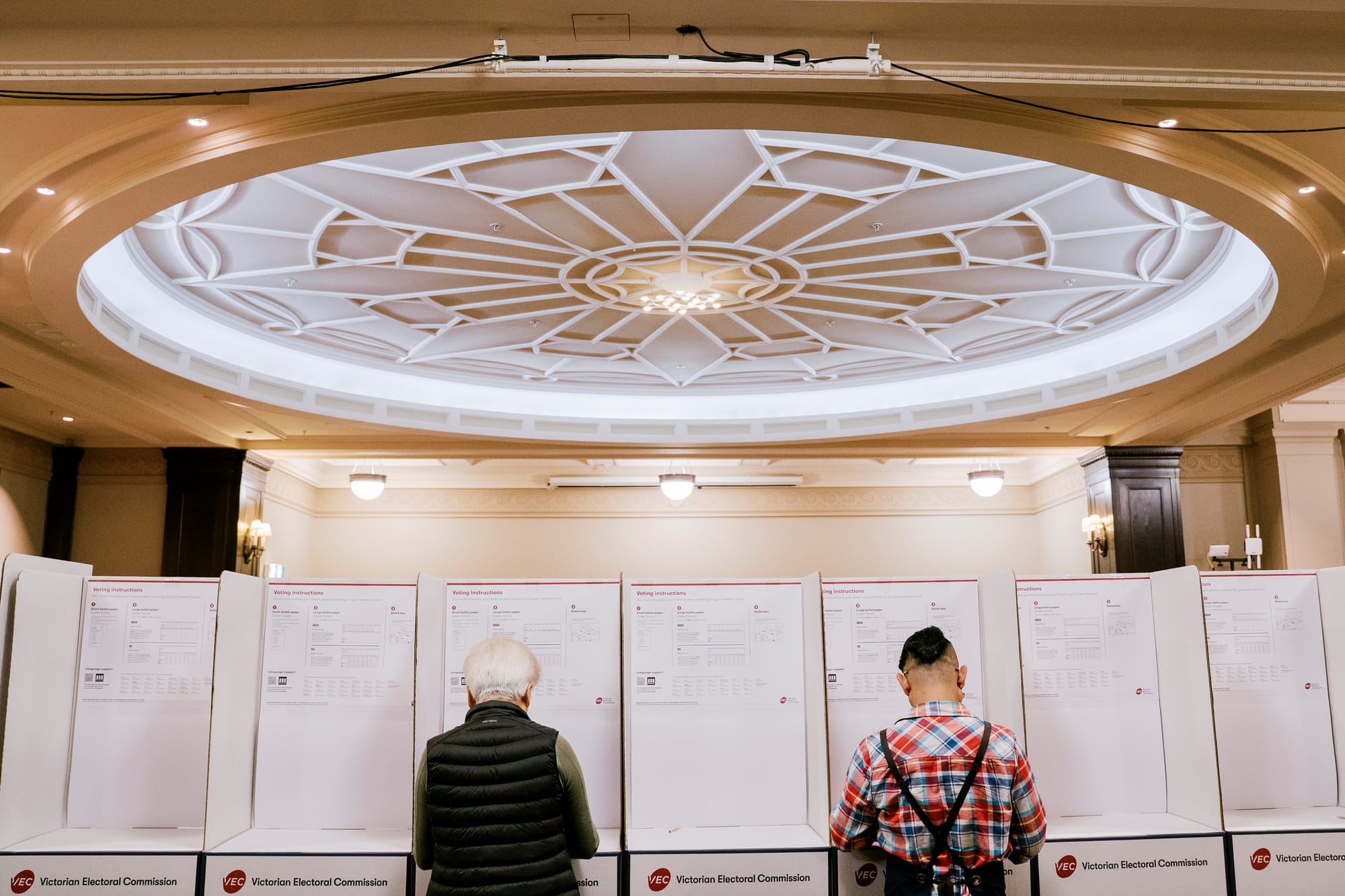
Candidates have thrown a variety of political promises into the ring as 28 November fast approaches, from Labor’s free dental to Liberal’s pledge to patch potholes.
But Fionn Skiotis, CEO of the Victorian Advocacy League For Individuals With Disability (VALID), fears disabled Victorians have been left more vulnerable than ever.
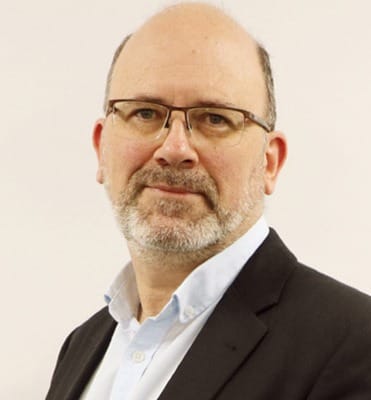
VALID released their State Election Statement in October, asking the next State Government – whoever it may be – to commit to five priorities to improve statewide disability care.
So far, no-one has accepted.
NDIS Cuts
Around 1.1 million Victorians live with a disability, but just 210,846 of them are actively receiving assistance from a National Disability Insurance Scheme (NDIS) plan.

That number is expected to fall drastically in coming years, following federal budget cuts of over $2.8 billion.
According to Mr Skiotis, the cutbacks have already begun to take a psychological toll.
“There’s a real sense of despair and despondency,” Mr Skiotis said,
“Things like work, but also pursuing hobbies, friendships, connections, they all just become much harder to do.”
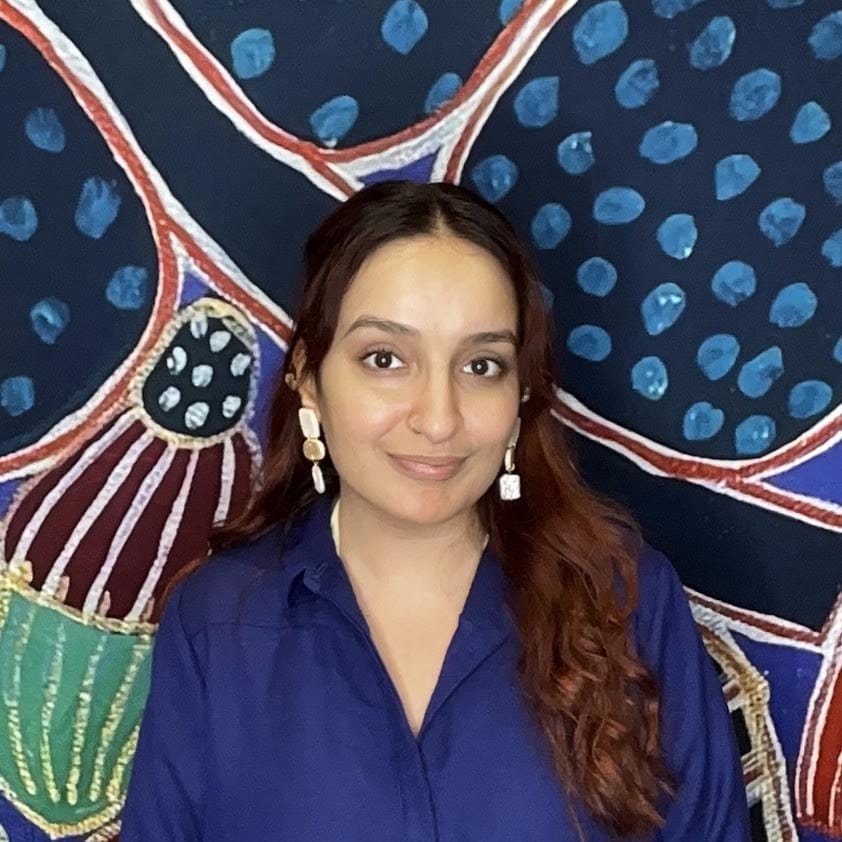
VALID’s Policy & Media Strategic Lead, Inez Winters, said the cuts to the scheme leave vulnerable Victorians stranded.
“We're seeing people trying to get help being turned away,” Ms Winters said,
“At every angle, there is truly no support.”
The Australian Government has committed to delivering the ‘Foundational Supports’ program to bridge the gap left by the scheme cutbacks, set to be rolled out in phases from 2026-2031.
But VALID fears without safety nets to cover the immediate fallout, countless Victorians could fall through the cracks.
Abuse, neglect, and violence
VALID’s State Election statement opened with a plea for investment in ‘specialist disability and family violence teams.’
No party has pledged their support, or agreed to fund them.
More than 50 per cent of adults with disability have experienced physical violence. Individuals with intellectual disabilities are especially vulnerable, with over 72 per cent experiencing violence after age 15.
VALID’s Individual Advocacy Program manages cases of violence against disabled Victorians. Currently, the organisation only has the resources to provide support for the 200 most complex cases.
Mr Skiotis said demand for VALID assistance far outweighs its capacity, forcing them to push away countless people in need.
“I wish we could do a lot more, but that's the limit with the funding that we have,” Mr Skiotis said.
Currently, VALID is funded by the State Government’s Victorian Disability Advocacy Program (VDAP), which rolls out its budget on a year-to-year basis.
That means from July 2027, VALID is not guaranteed any VDAP funding at all.
They're not the only organisation experiencing cuts. Specialist organisations across the state have been slashed, leaving disabled Victorians with fewer options for help.
Ms Winters fears this could put the community at higher risk, and place a greater strain on already overworked relatives and healthcare workers.
“It has the effect on parents who are really stressed, and it shifts all this onto state hospitals and services who are also experiencing cuts,” Ms Winters said.
Going backwards
In September of 2023, the Royal Commission into Violence, Abuse, Neglect and Exploitation of People with Disability handed down 222 recommendations to combat mistreatment of Australians living with disability.
But analysis from the Queensland Independent Disability Advocacy Network (QIDAN) found that only three per cent of the Commission's recommendations had actually been implemented.
Mr Skiotis doesn’t believe politicians have done enough to protect disabled Australians from the stigma and criticism they face.
For already marginalised individuals with disabilities, including First Nations and LGBTQ people, this stigma is even greater, and can result in harm.
Indigenous Australians with disability face greater risks of violence, abuse and neglect, and over 30 per cent of queer people with disability say they have experienced sexual harassment or assault.
A chance to do better
Mr Skiotis and Ms Winters aren’t holding out hope that political parties will back their requests before the election.
Still, they remain committed to working with whoever is voted in to deliver the best outcomes for the state’s disabled community.
“We’re non-partisan; we’ll work with the government of Victoria, it doesn't matter who they are,” Mr Skiotis said.
“If it’s Labor, if it’s a new government, we need to be able to talk and take steps to make sure that people with disabilities are okay.”
If you or someone you know is experiencing violence, you can contact the National Disability Abuse and Neglect Hotline: 1800 880 052.
For urgent support, contact 000.


