


Families of severely disabled children fear losing support amid NDIS reforms
The recent reforms to the disability insurance scheme are already impacting families.

Reforms designed to curb fraud are stripping support from severely disabled children before replacement systems are ready to take effect, families say.
Frankston Special Developmental School principal and mother of an autistic child Kris Baker says her son, Louie, has already had his funding slashed to around “half of what it used to be”.
And she is desperate for support.
The federal government’s 2026-27 budget, released on May 12, contained a huge shift for families of children with developmental disabilities on the National Disability Insurance Scheme.
As part of a bid to reduce spiralling spending on the scheme, predicted to reach $37.8 billion by 2030, the government introduced the NDIS Amendment (Securing the NDIS for Future Generations) Bill.
The bill is designed to fight fraudulent behaviour, slow cost increases, set clearer eligibility requirements, and ensure quality services. However, the reform has one key caveat: It will cut around 160,000 participants from the scheme.
Introduced by the Gillard government in November 2012, the NDIS was designed to distribute funding to eligible individuals for an improved quality of life.
According to the Grattan Institute, although the NDIS has become an integral part of Australia’s health reform, its growth has become economically unsustainable.
The institute found the scheme was expanding at an average rate of 24 per cent each year between 2020 and 2024.
The government commissioned the NDIS Review to conduct an independent inquiry andm in December 2023, returned with 26 recommendations and 139 actions. These recommendations formed the basis of the changes announced in the budget.
Despite the reforms only recently taking effect, families say they are already feeling the pinch.
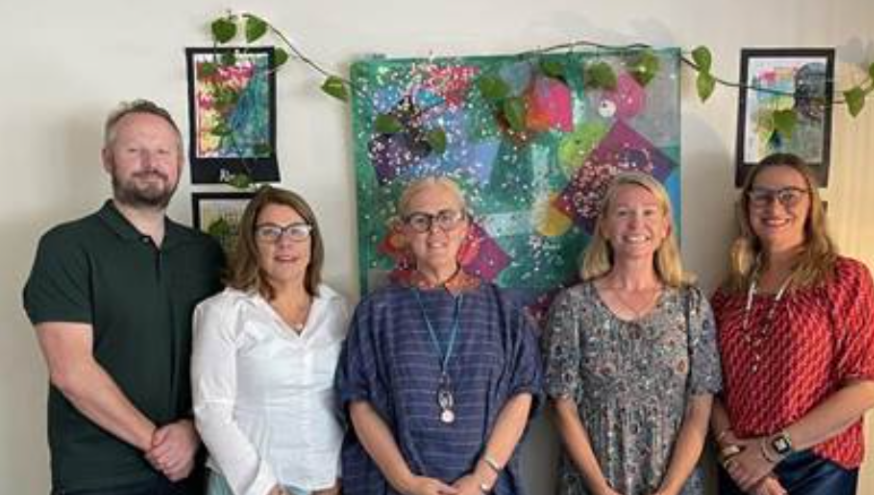
Louie, who has a severe developmental disability, has relied on NDIS support since the scheme was first introduced.
“[The NDIS] gave us our lives back,” Baker says.
But cuts to the scheme have stripped the pair of some of their newly enjoyed freedoms, she says.
“We can’t go out at all … we need to be with Louie, because there are no support hours.”
Prior to the budget’s release, Baker says, she never encountered an issue with securing her son’s funding. But now the family has to jump through new hoops.
She says it’s costing the family time, stress and funding from Louie’s plan.
“I’m all for accountability in the NDIS,” she says, “but [the government] isn’t recognising how severely disabled some kids are, and how those disabilities affect every aspect of the family.”
While families such as Baker’s struggle to secure adequate support through the NDIS as a result of the cuts, autism advocates are still trying to have their voices heard by the government.
Autism Awareness Australia chief executive and founder Nicole Rogerson says the government is not listening to the pleas of families or disability lobby groups.
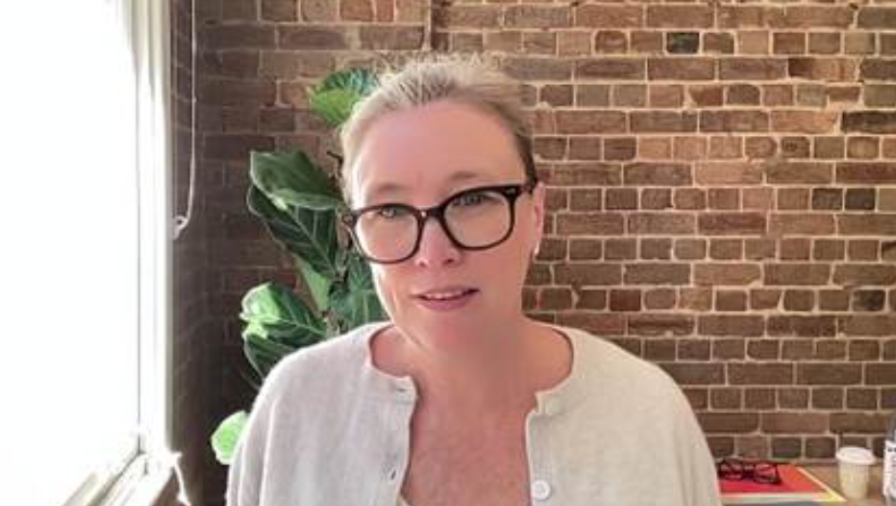
“At this point in time, particularly with the federal government, it’s all about economics," Rogerson says. "They’re not thinking about good clinical outcomes.”
While she agrees the scheme has become a runaway train of costs and loose eligibility requirements, she says it’s unfair to burden the mismanagement on families already relying on the support.
“It’s really unfair that families of kids with disabilities feel like they’re responsible for this.”
Starting July 1 next year, families of children with mild to moderate developmental delays or disabilities will be directed to Thriving Kids, a national support system for children aged eight and under, to ensure services are in place ahead of the changes to NDIS access arrangements.
Rogerson says the replacement supports are not yet ready to be rolled out.
“I highly doubt that there is enough funding or enough will from any of the states to set up Thriving Kids to be an intensive, quality early intervention for kids,” she says.
“We may return to the bad old days where kids that get the most support are the ones whose family has the most amount of money.”
For families already navigating the changes, the future remains uncertain.
When the NDIS was introduced more than a decade ago, families like Baker's felt freer in everyday life.
Now, Baker fears that her family’s freedom is beginning to slip away.
She says she has just one plea: “Support me, so I can support my child.”
The National Disability Insurance Agency (NDIA) and Health Minister Mark Butler did not respond to a request for comment.
More information on the future of the NDIS can be found here.


