


What the arrival of Vinted means for Australia’s secondhand fashion landscape

Thrifters rejoice! Australia’s digital secondhand markets recently welcomed Vinted, a European reselling platform.
The arrival of the site has created direct competition with the widely popular Depop, which previously boasted a monopoly on the Aussie reselling market.
What are Vinted and Depop and how are they different?
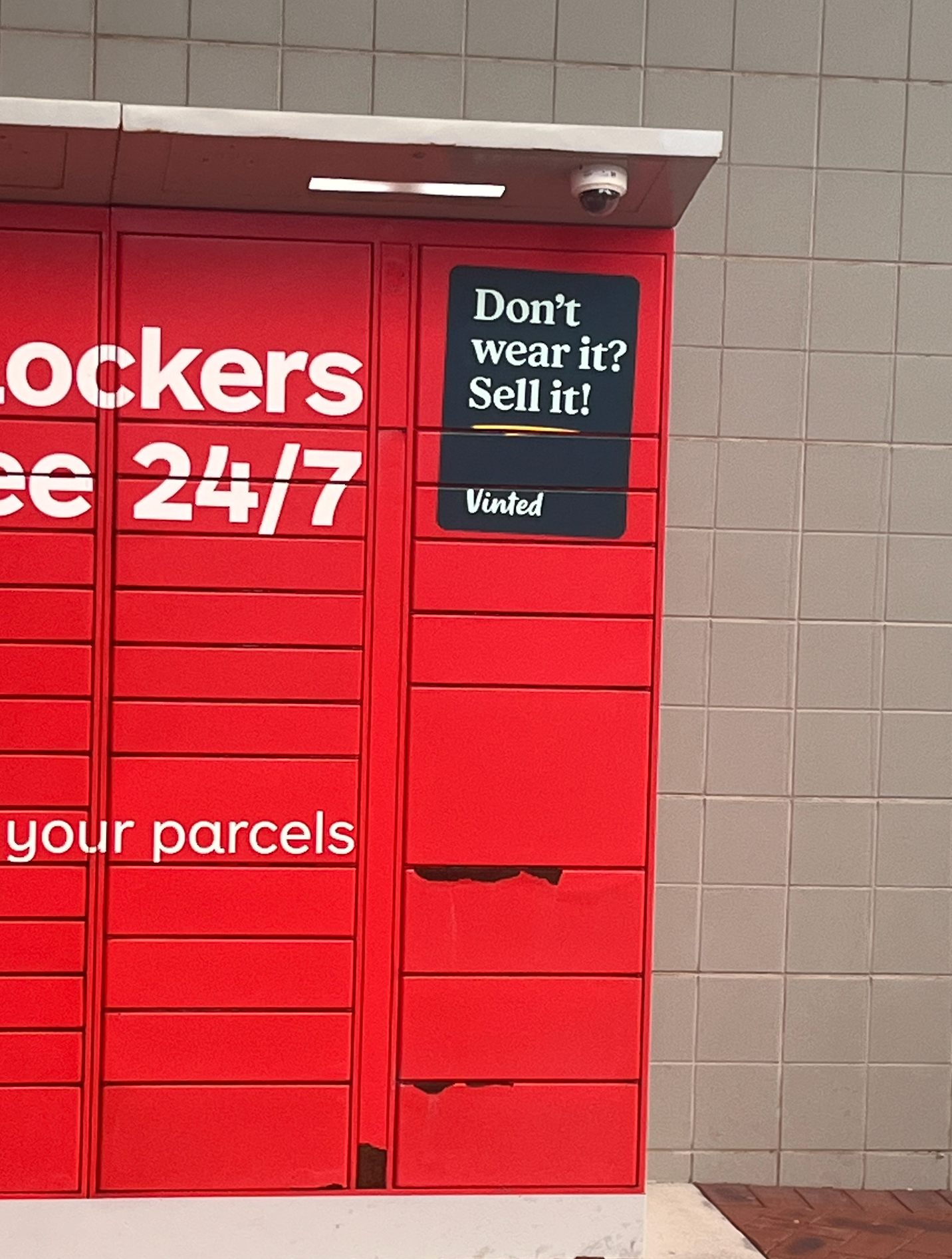
Vinted was introduced into Australian online markets on 1 July 2026, amid a lot of excitement from resellers and avid thrifters due to its alluring zero seller fees, standard shipping rates and international accessibility. The site was long awaited by Australian fashion lovers and is already being heavily promoted by content creators, fashion enthusiasts, and even Australia Post.
Depop was recently acquired by online marketplace giant eBay in February 2026, following its previous ownership by Etsy. Its young user base makes it a desirable acquisition for a digital giant like eBay in order to maintain engagement as online marketplaces become driven by young people, with 44 per cent of Gen Z Aussies shopping online every week.
Almost immediately following Vinted’s arrival in Australia, Depop announced it would remove selling fees, a sticking point for a lot of resellers in which the platform takes a portion of profit from each clothing sale you make.
Yet this was almost immediately counteracted by the introduction of a ‘marketplace fee’, adding an extra cost to each item on the buyer’s end justified by the promise of buyer support, accounts and purchase security, features that existed prior to the introduction of an additional fee. The marketplace fee will be up to five per cent of the item cost, plus a fixed fee of $1. This reflects Vinted’s ‘Buyer Protection’ fee, typically five per cent of the item plus $1.20, in order to ensure purchasing security.
Depop has broadly advertised the removal of seller fees on their app and website, but has avoided direct promotion of the new marketplace fees.

What does the introduction mean for buyers and resellers?
Vinted’s arrival was accompanied with a period of free shipping with no previously announced end date, sending buyers into a frenzy. Depop seller and content creator, Isla Lucia, said the way Vinted was introduced into Australia was smart.
“Everyone would think it’s too good to be true,” she said.
Lucia has been selling on Depop for years, amassing an engaged following both on her reselling platforms and for her ‘come thrifting with me’ style videos on Youtube. She said her Depop sales have been impacted by the introduction of Vinted.
“Since the arrival of Vinted my Depop [selling] has gone down significantly,” Lucia said.
“When they had the free shipping no one was even looking at Depop.”
Vinted’s reduced shipping appeal come from its three-year parternship with Australia Post’s partnership, which has been promoting on their social media and physical post offices. Another perk for sellers is the buyer directly pays for shipping, saving the seller the out-of-pocket shipping costs before the item is delivered, and increasing incentive to both sell and buy on the site.
Vinted’s international brand appeal is also setting it apart from Depop to buyers, and its position as a fresh alternative increases its popularity in a country where, as Lucia detailed, “everyone’s used to Depop” as the default.
“There’s also a lot of access to brands you can't get in Australia,” Lucia said.
MOJO News created a brand new Vinted account to contrast the quality between the sites. The platforms have a strikingly similar layout, with users being able to like items, ask sellers questions, and search and filter by keywords and sizing. It was noted that the average clothing price was more inexpensive than Depop, a point on which Lucia concurred.
“It’s like going op-shopping in people’s wardrobes,” she said.
Australia’s shifting secondhand landscape
The prominence and popularity of reselling sites such as Depop and Vinted has meant that Australia’s op shops now play a very different role in the secondhand market, and Lucia encouraged sellers to be “reasonable” when pricing their items for resale.
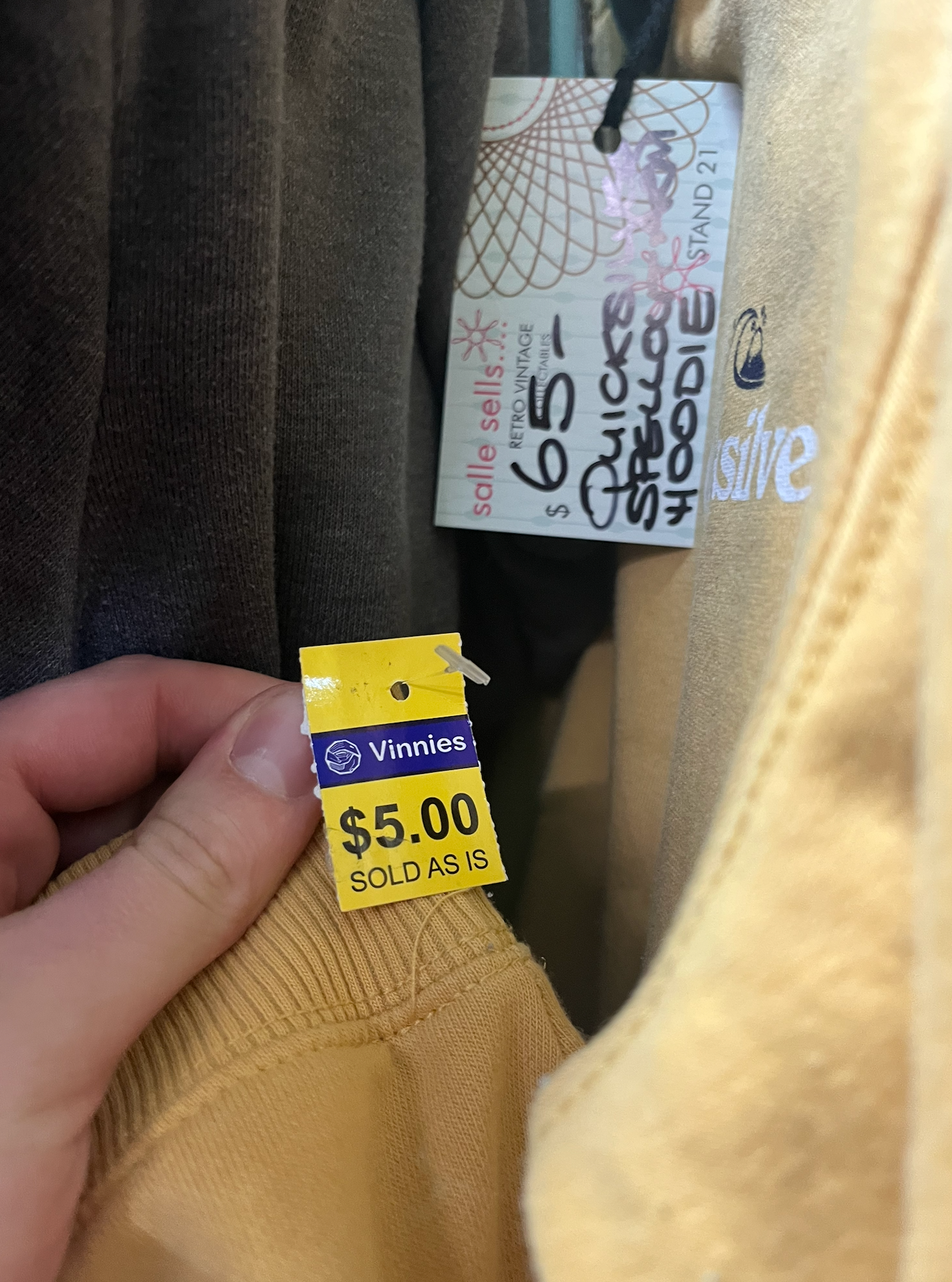
“When it’s something like a kids t-shirt that you’re selling for $80 that you got for two… it’s kind of ridiculous,” she said.
Australians are some of the biggest consumers of new clothing and fast fashion in the world, with the average Aussie buying 56 items of clothing per year, leading to op shops overflowing with barely-used fast fashion and broken or stained clothing while more 'quality' items were being sold online for profit.
RSPCA Victoria Op Shop Elsternwick volunteer, Ryan Cross, said while not all op shops were experiencing this trend on such an extreme scale, most were trying to to find balance.
"They’ve drilled into us to look for good brands and be good on pricing... we can’t afford to be pricing ourselves out," Cross said.
"We have the trendy pieces on a separate rack... that way we can tinker with the trendy pieces and still have a base of the rest of the donations."


